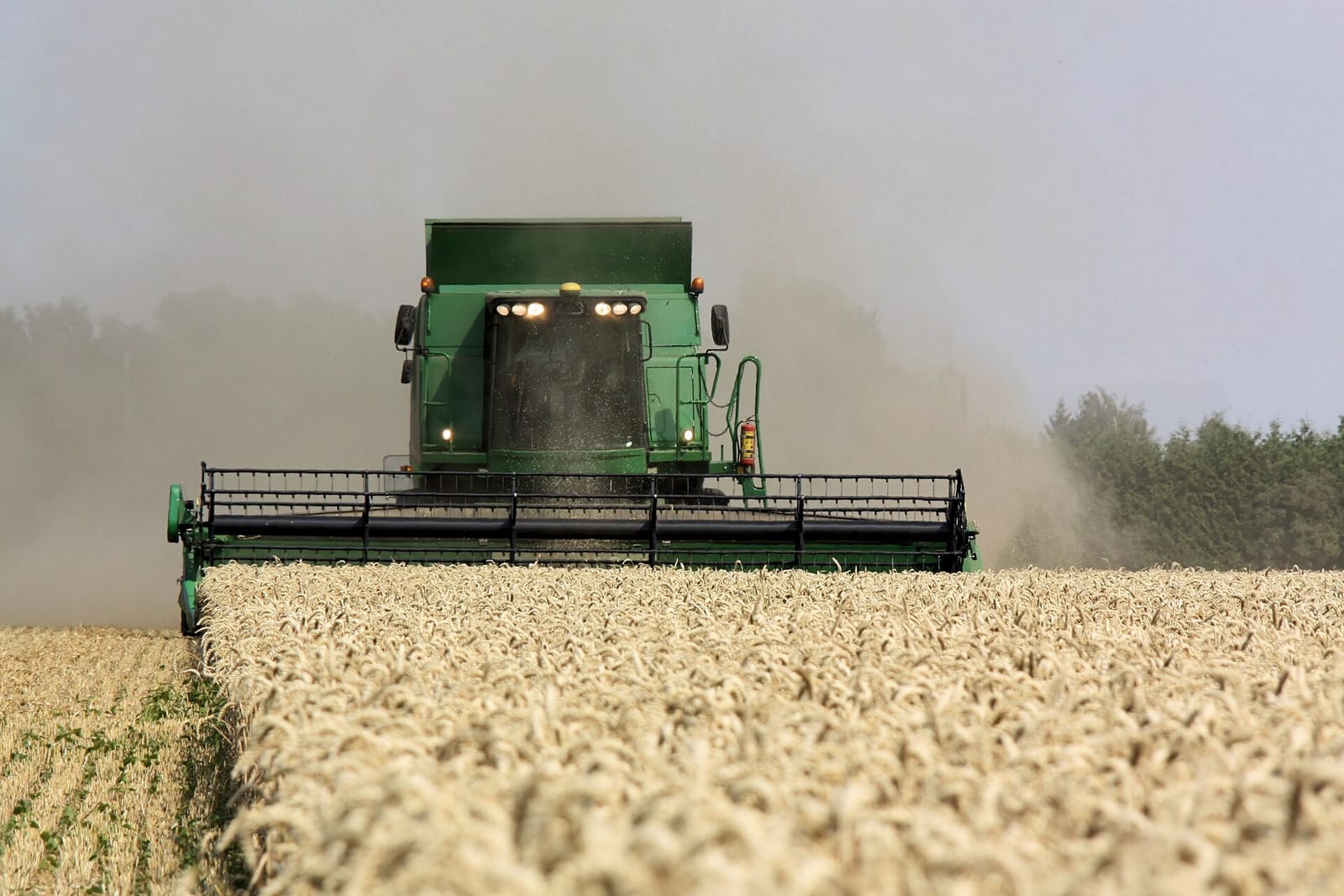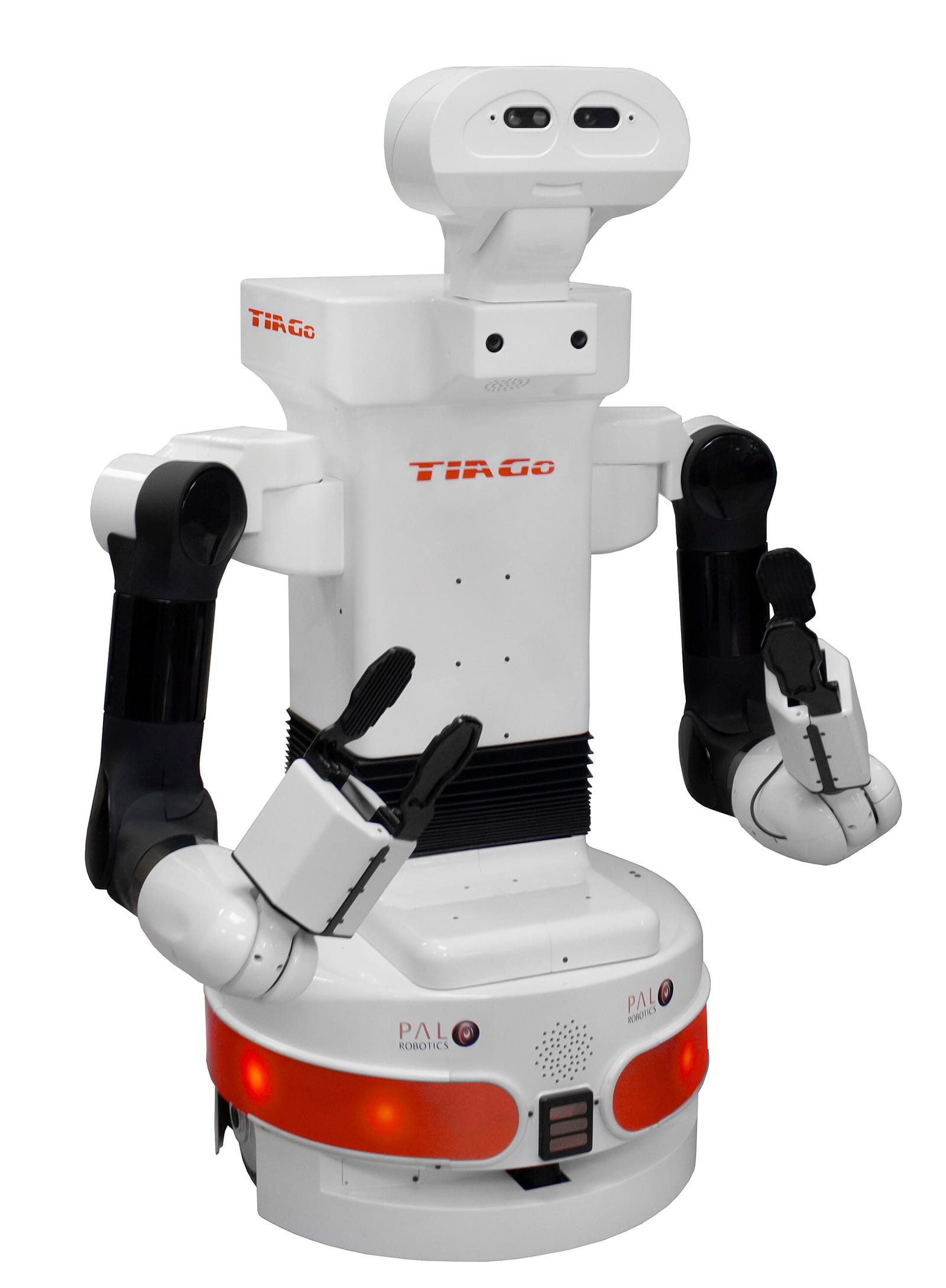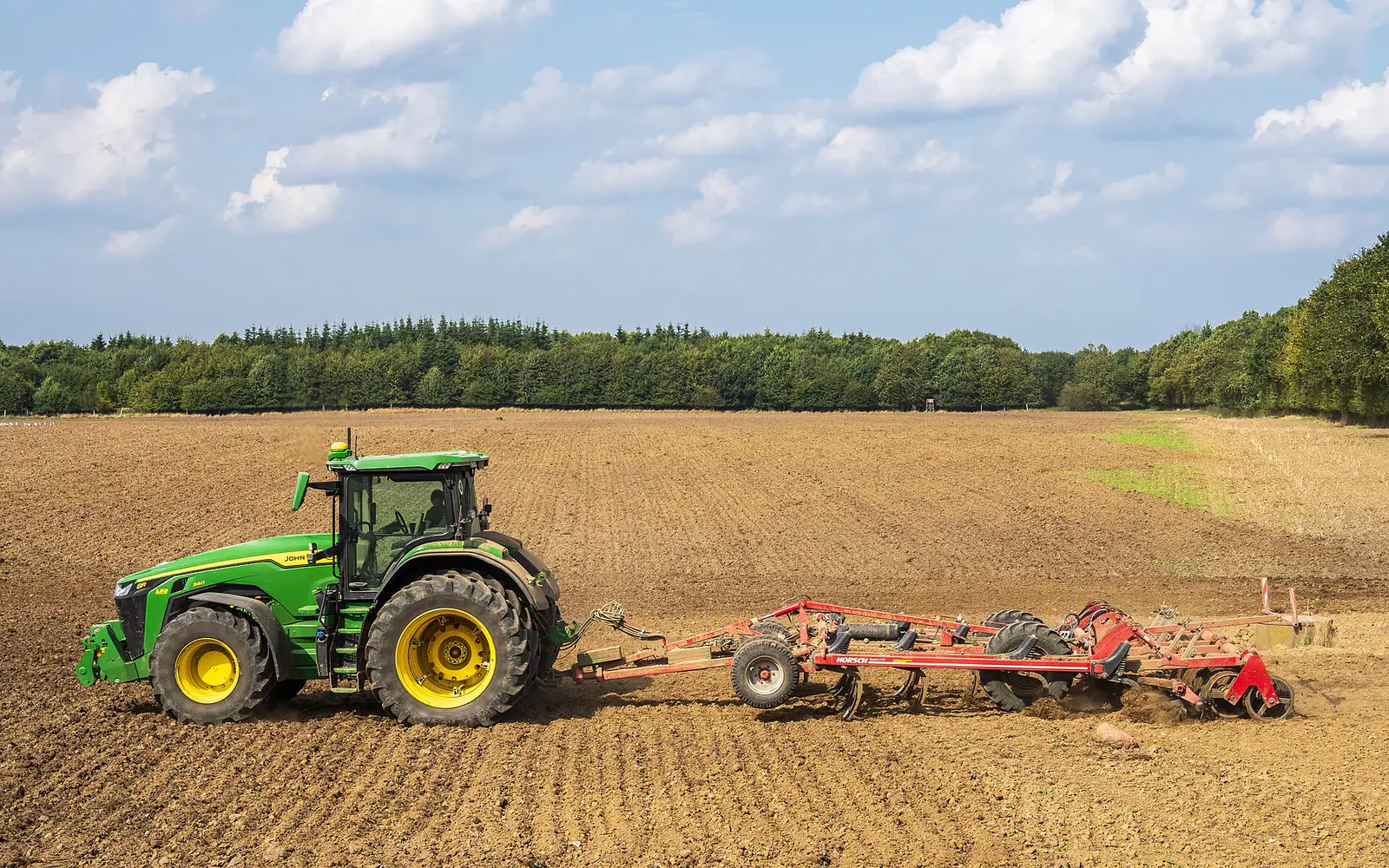
An autonomous tractor is a farm tractor that can work a field with no one in the cab, using cameras, a neural network and satellite positioning to follow a planned path and stop for obstacles. John Deere showed the first widely publicized production example, a driverless 8R tractor, at CES in January 2022, and in January 2025 it presented a second-generation kit with 16 cameras for larger tractors, orchard sprayers and machines beyond farming. Autonomy matters to agriculture because skilled operators are hard to hire and many field jobs, such as tillage, are long, repetitive and time-critical. This explainer covers how the machines work, what they can and cannot do yet, and what farmers weigh before adopting them.
From autosteer to no driver at all
Self-steering is not new on farms. For more than two decades, GPS guidance with real-time correction has let tractors hold straight lines across a field to within a few centimeters while a driver handles turns, speed and safety. That kind of automation is now standard on large farms.
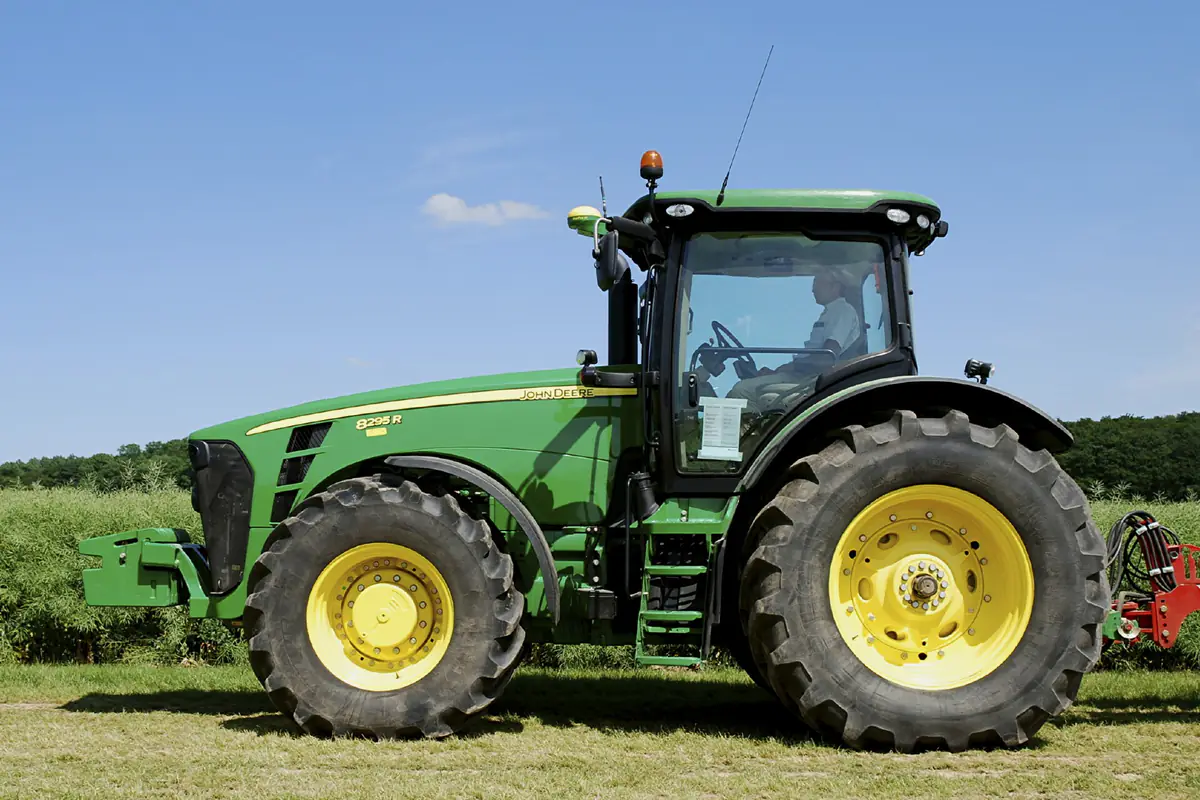
Removing the driver is a different problem. A machine that works alone has to notice a person, an animal or a parked truck in its path, decide whether it is safe to continue and stop if not. That is where computer vision and machine learning come in, and why autonomous tractors resemble robotaxis more than they resemble earlier guidance systems.
How John Deere’s first autonomous tractor worked
The 2022 machine combined an 8R tractor, a chisel plow for tillage and GPS guidance with six pairs of stereo cameras around the tractor. Stereo pairs let the system estimate distance, as human eyes do, and together they gave a 360-degree view.
According to coverage of Deere’s announcement, images from the cameras were passed to a deep neural network that classified each pixel in about 100 milliseconds, deciding whether what it saw was crop, soil or an obstacle, and therefore whether the machine should keep going or stop. If it stopped, the farmer was alerted.
The farmer’s role shifted from driving to supervising. The tractor was moved to the field, and the job was started from a smartphone app, Deere’s Operations Center Mobile, which showed live video, the work completed and alerts. Deere’s early deployments were small: Progressive Farmer reported that the company expected more than 10 but fewer than 50 units in the 2022 crop year.
The second generation: more cameras, more machines
At CES 2025 Deere introduced a second-generation autonomy kit. It uses 16 cameras, up from 12 in the first version, for a 360-degree view, and the kit was described as ruggedized and passively cooled for dusty field conditions. Deere showed it on several machines:
- A 9RX tractor for large-scale tillage.
- An autonomous 5ML orchard tractor for air-blast spraying, which adds lidar because dense tree canopies can block GPS signals. Reports differ on its exact camera count.
- Non-farm machines, including equipment for construction and commercial landscaping, showing that the same perception stack can transfer across vehicle types.
Deere said the kit would come pre-installed on new machines and as a retrofit for certain existing ones, with initial availability to a limited number of customers.
How it compares with other kinds of farm automation
| Level | What it does | Who is in charge |
|---|---|---|
| GPS autosteer | Holds straight lines; driver turns and handles safety | Driver in cab |
| Supervised autonomy (e.g. Deere’s kits) | Works a mapped field alone, stops for obstacles | Remote supervisor on a phone |
| Small field robots | Lightweight machines that weed or scout rows | Remote supervisor, often fleet-based |
| Vision-based spot spraying | Cameras on a sprayer detect weeds and spray only them | Driver in cab |
Our broader guide to how AI is used in agriculture covers spot spraying, yield prediction and the other uses in the table.
Safety and standards
A driverless machine weighing many tonnes must be predictable. The main international reference is ISO 18497, the standard for the safety of highly automated agricultural machines. Its first edition, published in 2018, set design principles, safety requirements and verification for the automated functions of tractors, implements and self-propelled field machines, and it has since been revised into a multi-part 2024 edition. Most current systems are designed to stop when uncertain and to call a human, which keeps them safe at the cost of interruptions. They also typically operate in geofenced fields rather than on public roads; moving the machine between fields remains a human job.
What it means for farmers
The case for autonomy is labor. A supervised tractor can keep working through a night or while the farmer handles other jobs, and one person can watch several machines. The case against is cost, connectivity and fit. Autonomy kits add to the price of already expensive equipment; remote supervision needs cellular coverage that many rural areas lack; and the first products target specific jobs, such as tillage, not every task on the farm. For small farms, especially outside North America and Europe, cheaper tools such as phone-based advice are more relevant, as our piece on AI for smallholder farmers explains.
There is also the question of data and repair. Autonomous machines generate detailed field and machine data stored in manufacturer platforms, and their software makes independent repair harder, an issue that has long been contested between farmers and equipment makers.
What to watch next
- How many autonomy kits are in commercial use, beyond limited early-customer programs.
- Retrofit pricing for existing tractors, which will decide how fast autonomy spreads.
- Rural mobile coverage, a prerequisite for remote supervision.
- Updates to safety standards as machines take on more varied jobs.
Key takeaways
- Autonomous tractors use cameras, a neural network and GPS to work fields with no driver in the cab.
- John Deere’s 2022 autonomous 8R used six stereo camera pairs and classified pixels in about 100 milliseconds.
- Deere’s second-generation kit, shown in 2025, uses 16 cameras and extends autonomy to orchards, construction and landscaping.
- Current systems stop when unsure and rely on a remote supervisor using a phone app.
- Cost, connectivity and the narrow range of supported jobs remain the main barriers.
Frequently asked questions
Do autonomous tractors really drive themselves?
Within a mapped field, yes. They follow a planned path, perform a job such as tillage and stop for obstacles, while a person supervises remotely. Moving them between fields and setting up the job are still done by people.
How do autonomous tractors detect obstacles?
They use multiple cameras, often in stereo pairs to judge distance, and sometimes lidar. A neural network classifies what the cameras see and stops the machine if something unexpected is in its path.
Can existing tractors be made autonomous?
John Deere says its second-generation autonomy kit will be offered as a retrofit for certain existing machines as well as pre-installed on new ones. Compatibility depends on the model.