Jim Keller is one of the best-known processor architects in the industry, and he is now the chief executive of Tenstorrent, a ten-year-old chip company that on October 19, 2026 raised $1.5 billion at a $6.2 billion valuation. Because Keller has become the public face of one of the more prominent challengers to Nvidia, it is worth setting out who he is, what he is known for, and what the Tenstorrent bet actually is. This profile sticks to his public professional record and to what the company and press have reported; where we could not verify a detail from a source we consulted, we say so.
A career spent on processor design
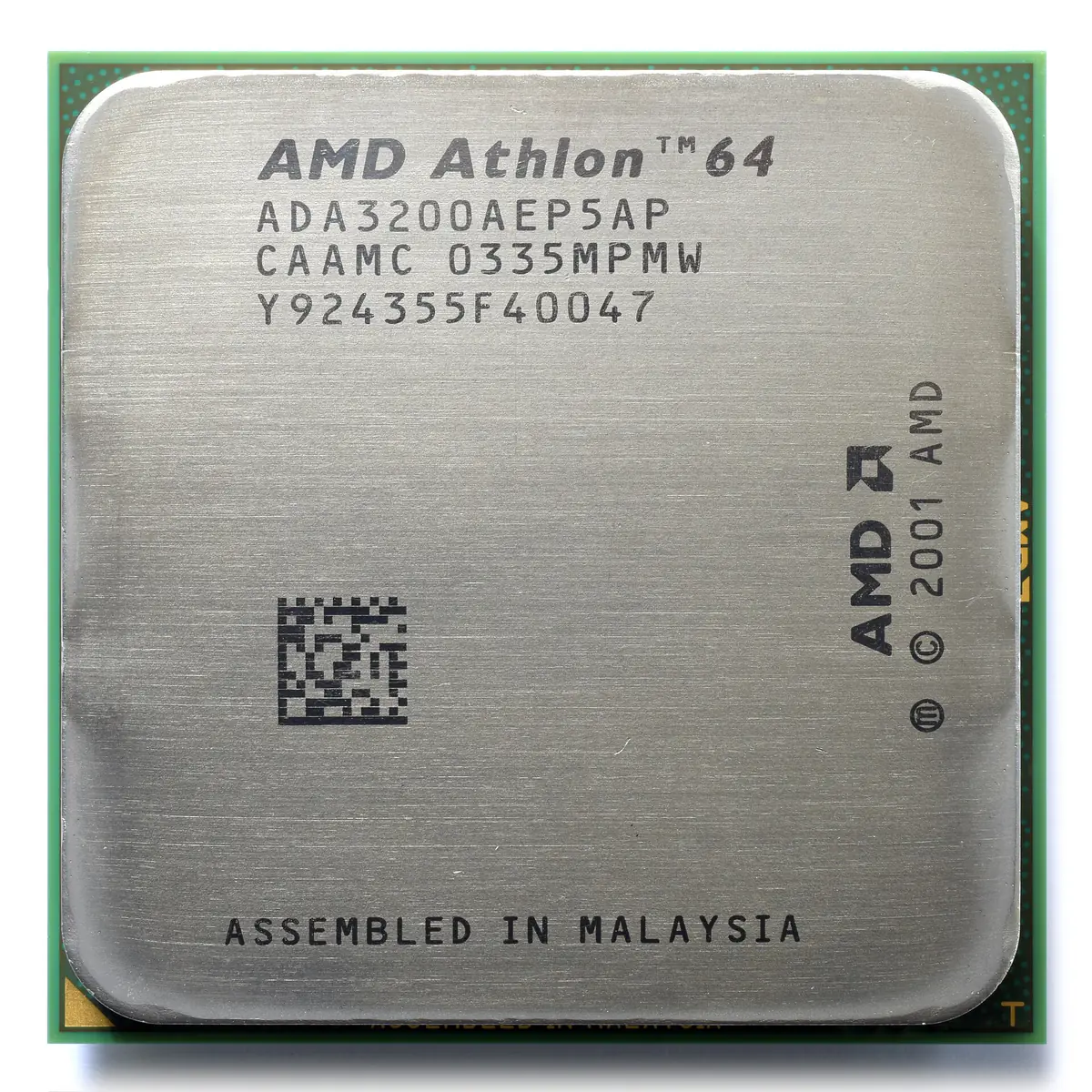
Keller’s reputation rests on a series of high-profile design roles at major chip companies. Widely documented in industry coverage, he worked at AMD on the K7 and K8 generation of x86 processors, later returned to AMD to lead work that led to the Zen architecture, and spent time at Apple during the period when the company began designing its own mobile processors, including the early A-series chips. He also led hardware work for Tesla’s Autopilot system and held a senior engineering role at Intel. We have not independently re-verified each of these roles for this piece against company archives, so readers who need exact titles and dates should check primary biographies; the broad outline is consistently reported across the industry press.
What ties those jobs together is a pattern: Keller is associated with moments when a company reset its processor strategy, often by emphasizing a clean, scalable architecture over incremental tweaks. That reputation is part of why investors and customers pay attention when he takes a role.
Tenstorrent in one paragraph
Tenstorrent designs AI processors and servers. According to TechCrunch, it is a chip startup focused on inference, the stage where a trained model answers requests. Its $1.5 billion round was led by Trace Capital, a new firm launched by Quiet Capital co-founder Ben Mahdavi, and Innovation X, with backing from Cadence Ventures, Eclipse, Fidelity, SanDisk and T. Rowe Price. The valuation more than doubled the $2.6 billion it fetched in late 2024. TechCrunch also notes that five months earlier Intel and Qualcomm had reportedly shown acquisition interest at valuations of as much as $5 billion. Keller is the company’s CEO.
Why he chose independence
Keller told Bloomberg, as relayed by TechCrunch, that Tenstorrent decided to remain independent and raise more capital after showing that its Galaxy servers could run DeepSeek models. That is a notable detail. It suggests the company’s pitch is less about beating Nvidia on a single benchmark and more about giving customers a way to serve popular open-weight models on hardware that is not a GPU from the dominant vendor. TechCrunch says the new money will go toward scaling chips tailored for serving open-weight AI models and video generation.
The challenger landscape
Tenstorrent is one of several companies trying to chip away at Nvidia’s position. TechCrunch mentions Etched, which was fielding investment offers at valuations of $40 billion or more earlier this month. Nvidia’s strength is as much software as silicon, a point explored in our piece on why Nvidia dominates AI, and the biggest cloud companies have responded by designing their own accelerators, covered in why Big Tech builds its own AI chips. A startup has to win on cost, availability or openness rather than raw scale. Tenstorrent’s headline round, covered in our news report on the raise, shows investors still believe there is room for that.
How to judge the claim
Reputation is not a product. The relevant questions for anyone evaluating Tenstorrent are practical: how its servers perform per dollar and per watt on the models customers actually run, how mature its software stack is, and whether developers can move workloads without heavy rewrites. A founder’s track record lowers some risk in design execution, but inference economics are decided by supply, software and customers. Public numbers for Tenstorrent’s real-world deployments were not part of the reporting we reviewed, so we do not state any.
What to watch next
- Disclosure of customers and deployments of Galaxy servers beyond demonstrations.
- Benchmarks for serving open-weight models against GPU-based systems on cost and energy.
- How the company uses the $1.5 billion: capacity, new chips, or software.
- Whether the acquisition interest reported earlier resurfaces.
- Moves by Etched and other challengers, and how Nvidia responds.
Key takeaways
- Jim Keller is a veteran processor architect associated with AMD, Apple, Tesla and Intel work, and is CEO of Tenstorrent.
- Tenstorrent raised $1.5 billion at a $6.2 billion valuation on October 19, 2026, according to TechCrunch.
- Keller said the company chose independence after showing Galaxy servers could run DeepSeek models.
- The money is aimed at chips for serving open-weight models and video generation.
- Reputation helps, but customers will judge the hardware on cost, energy use and software.
Frequently asked questions
What does Tenstorrent make?
AI processors and servers, with a focus on inference, according to TechCrunch. Its Galaxy servers were shown running DeepSeek models.
Is Jim Keller the founder of Tenstorrent?
We did not confirm founder status in the sources we reviewed; they identify him as CEO, and that is all we state here.
Why does independence matter?
Staying independent means Tenstorrent remains a standalone alternative supplier rather than part of a larger chip company, after reported acquisition interest from Intel and Qualcomm.