Mistral AI went from founding to being one of the world’s best-known AI model developers in record time. Based in Paris, it has become the flagship of European ambitions in generative AI, known for efficient models — many released with open weights — and a strategy built around sovereignty and enterprise customers.
Founding
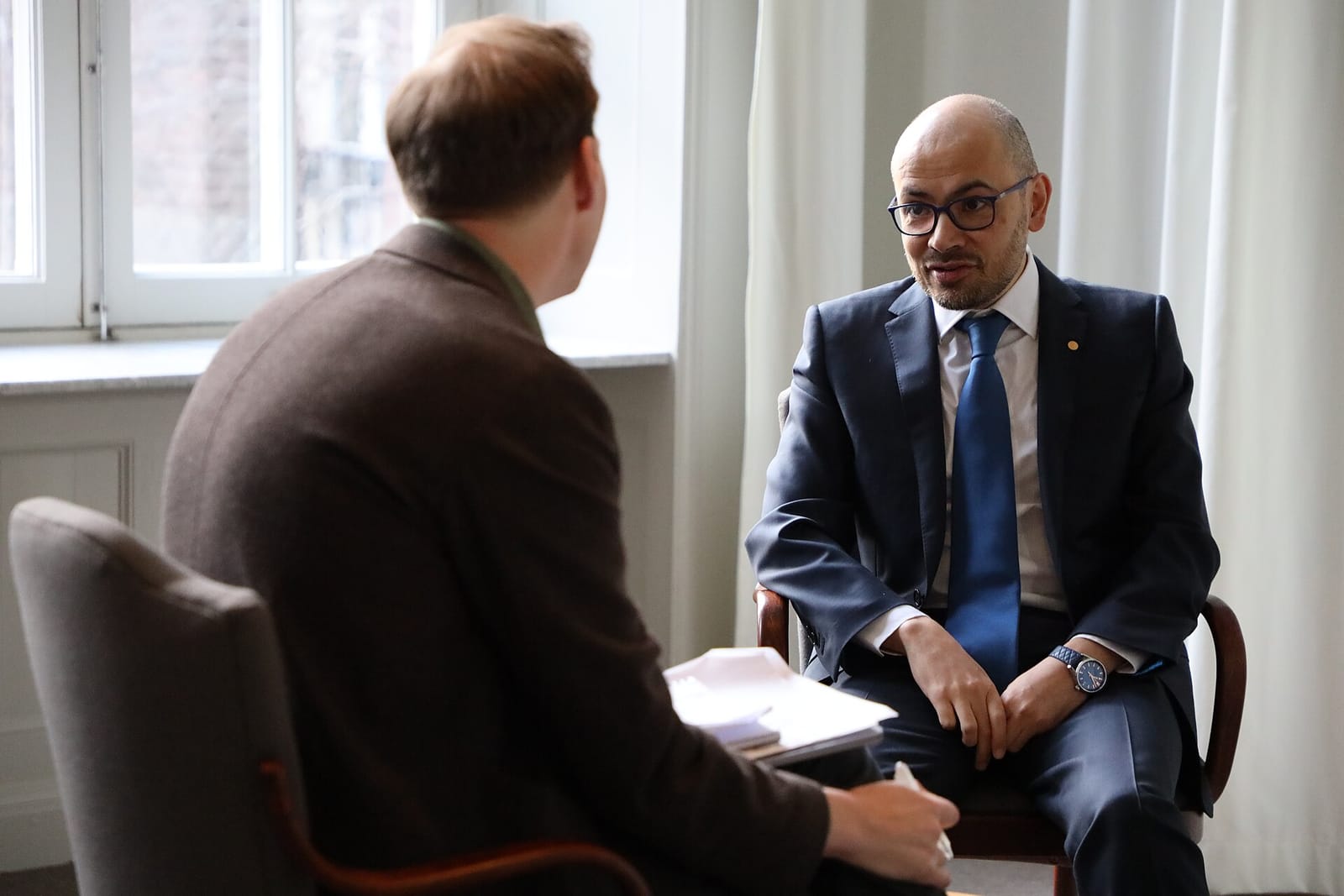
Mistral AI was founded in April 2023 by three French researchers:
- Arthur Mensch, previously at Google DeepMind, who became CEO;
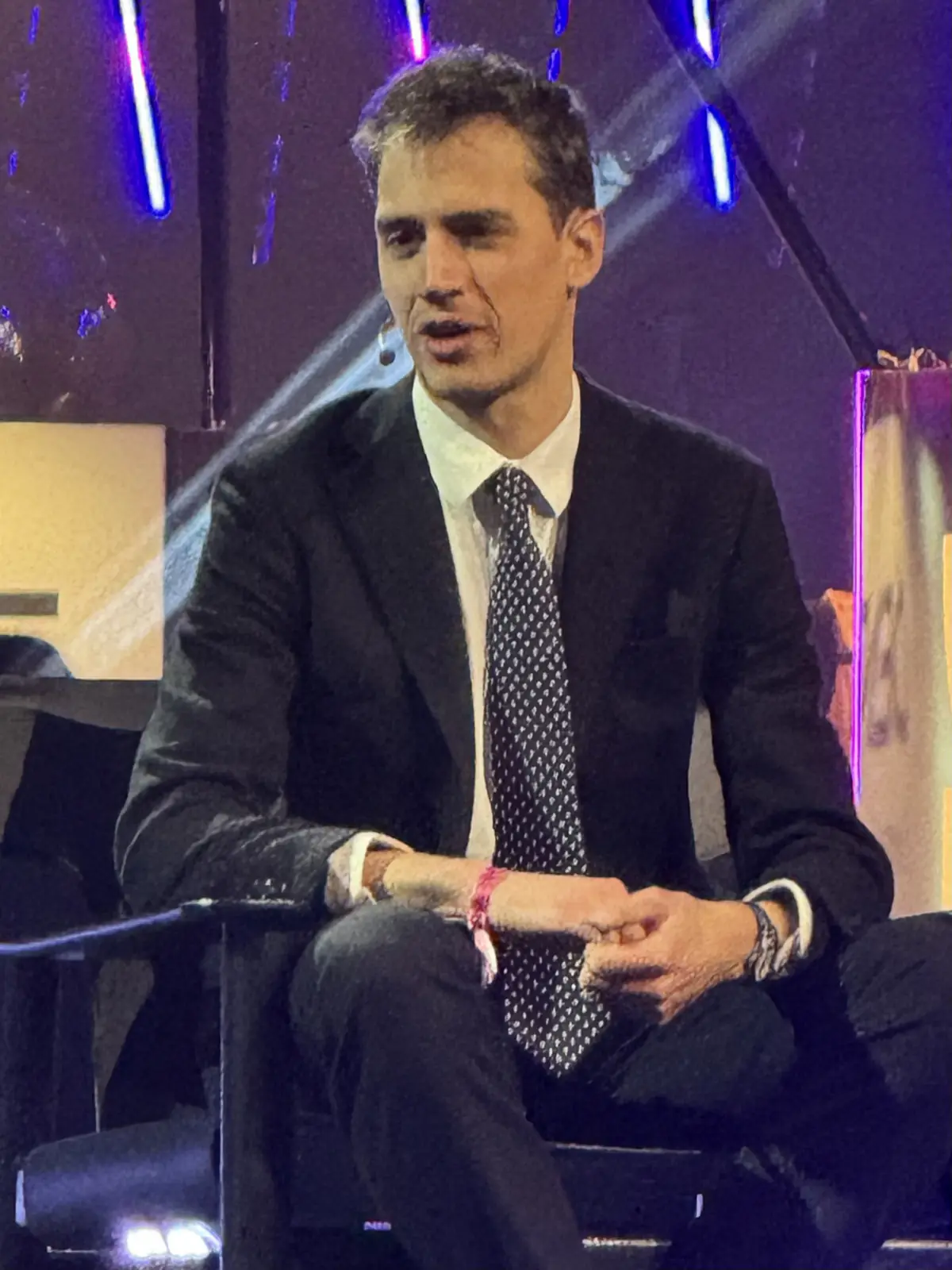
- Guillaume Lample and Timothée Lacroix, previously at Meta’s AI research lab, where they had worked on the original LLaMA models.
The company raised a large seed round within weeks of its founding, one of the largest seed rounds in European tech history, followed by further large rounds as its models gained traction.
Breakthrough models
Mistral 7B (September 2023) was released under the permissive Apache 2.0 licence. The team reported that this 7-billion-parameter model outperformed larger open models of the time on many benchmarks, thanks to efficient design choices such as grouped-query and sliding-window attention.
Mixtral 8x7B (December 2023) used a sparse mixture-of-experts architecture: each token is routed to two of eight expert networks, so the model has many parameters but uses only a fraction per token. It matched or beat much larger dense models on many benchmarks with lower inference cost — see our explainer on mixture of experts.
Products and business
Mistral offers a mix of open-weight models and commercial models, available through:
- La Plateforme, its API for developers;
- Le Chat, its consumer and business assistant;
- cloud marketplaces of major providers, after partnerships including one with Microsoft in 2024;
- on-premises and private deployments for enterprises and governments that need control over data.
It has released models for coding, multimodal understanding, reasoning and smaller edge use, and its models are popular for fine-tuning and self-hosting.
Strategy
- Efficiency: strong performance at smaller sizes and lower cost.
- Openness: many models released with open weights, building a developer ecosystem — though its largest models are often commercial.
- Sovereignty: positioning as a European alternative for organizations that want independence from US providers, with deployment options on their own infrastructure — see sovereign AI explained.
- Industrial partnerships: in 2025 the company raised a major funding round led by the Dutch semiconductor equipment maker ASML, linking it with European industry.
Debates
Mistral has been part of policy discussions around the EU AI Act, where it argued against heavy obligations on foundation model developers. Its partnership with Microsoft drew questions from European regulators about big tech influence. It also faces intense competition from far larger US and Chinese labs.
Why developers like Mistral models
- Permissive licences on many models allow commercial use and modification.
- Efficient sizes that run on a single GPU or even laptops after quantization.
- Strong multilingual performance in European languages.
- Self-hosting options for companies that cannot send data to external APIs.
These properties made Mistral models a common starting point for fine-tuning and private deployments, especially among European companies and public bodies.
Timeline at a glance
- April 2023: company founded in Paris.
- September 2023: Mistral 7B released under Apache 2.0.
- December 2023: Mixtral 8x7B mixture-of-experts model.
- 2024: Le Chat assistant, Microsoft partnership, coding and multimodal models.
- 2025: large funding round led by ASML.
Related reading
See our deep dive on open vs. closed AI models, the Hugging Face company profile and the global map of AI regulation for the wider context in which Mistral competes.
What to watch next
- New open-weight and commercial model releases from Mistral.
- European public-sector and industrial deployments.
- Competition with US and Chinese open-weight models.
- EU AI Act obligations for general-purpose model providers.
Key takeaways
- Mistral AI was founded in Paris in April 2023 by Arthur Mensch, Guillaume Lample and Timothée Lacroix.
- Mistral 7B and Mixtral 8x7B established its reputation for efficient open-weight models.
- Mixtral used a sparse mixture-of-experts design for lower inference cost.
- It sells API access, the Le Chat assistant and private deployments.
- Its strategy centres on efficiency, openness and European sovereignty.
Frequently asked questions
Are Mistral’s models open source?
Many are released with open weights under permissive licences such as Apache 2.0, but some of its most capable models are commercial.
Who founded Mistral AI?
Arthur Mensch, formerly of Google DeepMind, and Guillaume Lample and Timothée Lacroix, formerly of Meta.
What is Le Chat?
Mistral’s AI assistant for consumers and businesses, similar to other chat assistants.