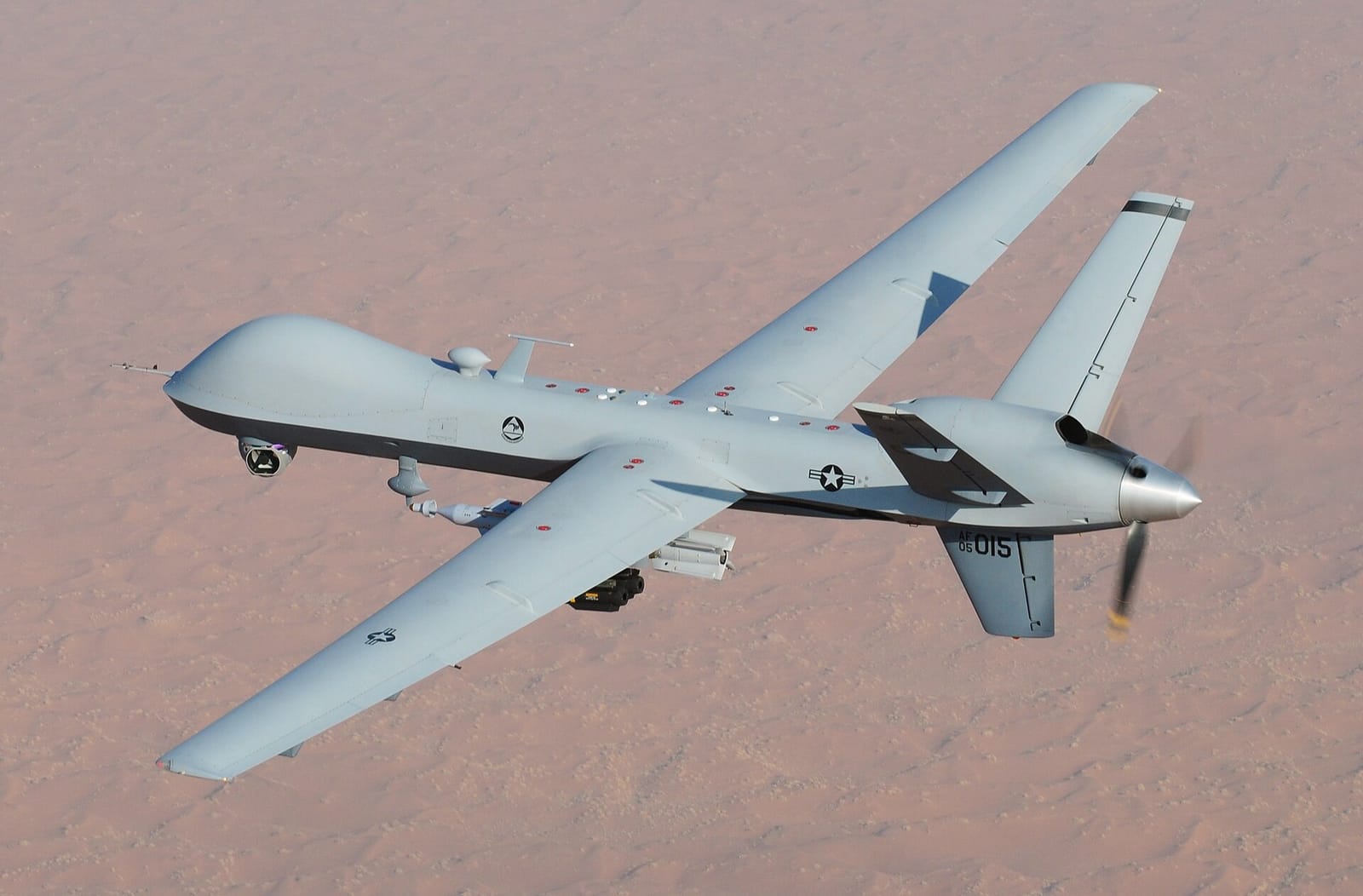
The Pentagon plans to create an Autonomous Warfare Command, nicknamed Autowarcom, a four-star combatant command meant to scale up drones, robots and AI-enabled systems across the U.S. military. Defense Secretary Pete Hegseth announced it on September 30, 2026 in a “State of the Force” speech at Marine Corps Base Quantico, Virginia, and the target date for formal establishment is October 1, 2027, according to The Intercept. This analysis separates what has been confirmed from what remains unknown.
What has been announced
Based on DefenseScoop, The Intercept and Reuters-sourced coverage, the confirmed points are:
- A new combatant command. It would join the military’s 11 existing combatant commands, the first new one since U.S. Space Command in 2019, and would be led by a four-star officer. Hegseth said the commander would be named soon.
- Service-like authorities. Hegseth described it as having authorities similar to a military service, and said it would “fuse procurement with operations at scale.” The Intercept reports it is to have its own budget, acquisition authority and career paths for officers and enlisted personnel.
- An interim effort, Project Agincourt. A months-long program will prepare the ground and prototype a new “Warfighting Acquisition” model that links operators with entrepreneurs and moves acquisition decisions and money closer to frontline units. It is led by Defense Innovation Unit director Owen West and Navy SEAL Senior Chief Max Strasiser.
- Legislation needed. The department says it will work with Congress on the required law. Autonomy-specific military occupational specialties are being phased in across the services.
A companion initiative, Project Meridian, is a study of future warfare to be finished within 120 days, with a public report and a classified annex. According to The Intercept it is directed by Elon Musk, Palmer Luckey and Newt Gingrich, with the Pentagon’s chief technology officer Emil Michael commissioning it and MITRE coordinating.
What has not been disclosed
No budget figure for Autowarcom or Meridian has been published in the coverage we reviewed. The sources do not specify which existing organizations would fold into the command, which weapons it would field, or how it would apply the department’s policy on autonomy in weapon systems. That policy, DoD Directive 3000.09, requires that autonomous and semi-autonomous weapon systems allow commanders and operators to exercise “appropriate levels of human judgment over the use of force” and sets review requirements for certain systems. Whether Autowarcom changes how those reviews work is an open question, and we have not seen the Pentagon address it.
Why the Pentagon wants it
Reuters, as relayed by the Star-Advertiser, ties the move to a push to shift from costly conventional platforms toward cheaper, AI-driven autonomous systems. The logic is familiar from recent conflicts, where inexpensive drones have changed battlefield economics. A single command with its own acquisition authority could shorten the path from prototype to unit, which traditional procurement often slows. For the broader landscape, see our explainer on AI in defense and autonomous weapons.
Criticism and conflict-of-interest concerns
Critics quoted by The Intercept make several arguments:
- Oversight. Taxpayers for Common Sense analyst Gabe Murphy says the design cuts out oversight autonomous systems need, risking waste and danger to service members.
- Cost and fraud. Former defense officials predict a financial “fiasco,” contracting fraud and technological failures.
- Conflicts of interest. Luckey leads Anduril, which holds large Pentagon contracts, and Musk’s SpaceX has won billions for the Golden Dome missile defense project. The Intercept notes other Meridian board members come from defense-technology firms.
- Humanitarian concerns. Democracy Now quotes Amnesty International calling for a ban on killer robots, saying replacing troops with machines makes the decision to go to war easier. The Intercept also links the AI-enabled Maven Smart System, built by Palantir, to a school strike in Iran that killed more than 150 people, a link we report as the outlet’s claim.
Hegseth’s office did not respond to The Intercept’s questions, and Hegseth himself has said he expects internal military resistance.
What it means for AI companies
An autonomy command with its own budget would be a large buyer of perception, navigation and targeting-support software. How it handles commercial AI models, safety testing and export rules will matter to vendors; see our primer on chip export controls and the guide to how governments use AI.
What to watch next
- Naming of the four-star commander and publication of a budget request.
- Congressional action on the legislation needed to establish the command.
- Meridian’s 120-day report and its classified annex.
- Any change to DoD Directive 3000.09 or its review process.
- Contracts awarded through Project Agincourt’s acquisition model.
Key takeaways
- Autowarcom is a planned four-star command for autonomous and robotic warfare, targeted for October 1, 2027.
- Project Agincourt is the interim effort; Project Meridian is a separate 120-day study.
- No budget or detailed force structure has been published in the coverage we reviewed.
- Critics raise oversight, cost, conflict-of-interest and humanitarian concerns.
- Congress must legislate before the command can be formally created.
Frequently asked questions
What is Autowarcom?
It is the nickname for the Autonomous Warfare Command, a planned U.S. combatant command meant to scale autonomous and robotic systems such as drones across the military.
When will it exist?
The department’s target for establishing it is October 1, 2027, but it needs legislation from Congress and an interim program, Project Agincourt, is preparing the way.
Does Autowarcom mean fully autonomous weapons?
The announcement does not say. Existing Pentagon policy, DoD Directive 3000.09, requires appropriate human judgment over the use of force, and no change to it has been reported.