A long blog post by Goodfire researcher Nick Cammarata has set off a debate in the interpretability community. He argues that large language models may be much easier to understand, monitor and control than experts assumed, because individual neurons that looked messy are more readable than they seemed. MIT Technology Review covered the claim on October 19. Several senior researchers say the idea is interesting but unproven.
The claim
Cammarata, who previously worked at OpenAI on tools for probing individual neurons, published a roughly 26,000-word post titled “Neural Networks Are Already Clean.” His thesis is that networks have a kind of logic that becomes visible when you inspect them patiently enough, and that they were “in some sense designed to be read.”
He says he spent about ten hours a day, seven days a week for most of the past year examining neurons, using new tools and AI agents to help. He also says the safety community has grown pessimistic about understanding models and needs hope. He plans to publish technical results on modern language models, but those were not available when the coverage appeared.
The evidence he offers
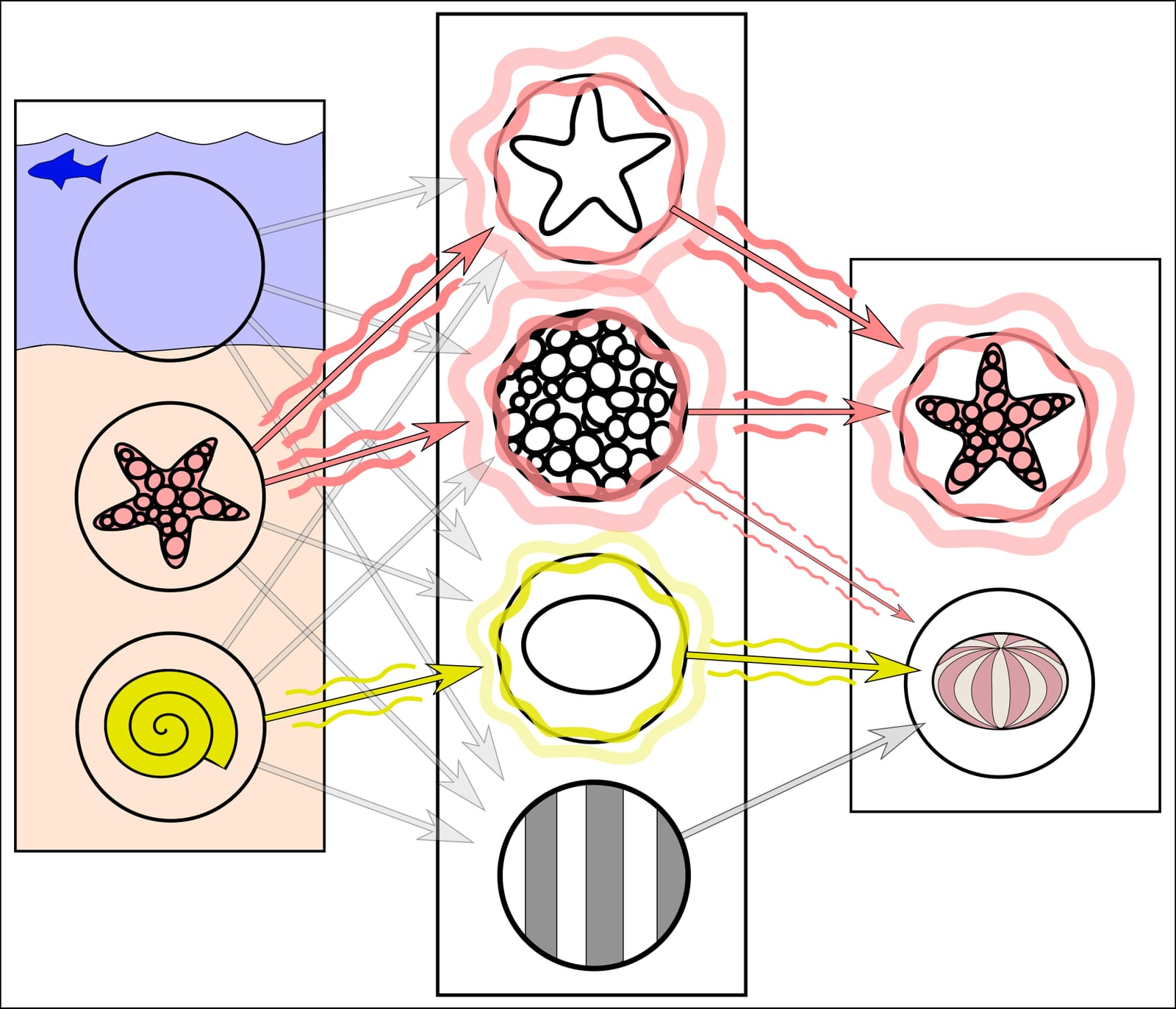
Cammarata went back to Inception v1, a 2014 Google image model that his 2020 team had studied. A neuron previously seen as doing two jobs, the “car and cat” neuron, now looks to him like a detector for a V shape. That shape appears in cat faces and in the fronts of cars. He reports that the same neuron also responded to pool table corners, a high-speed train’s nose and the spray from a fire boat, and was switched off by round O shapes. If a neuron is a clean detector of a simple feature, the apparent “multitasking” would be an illusion created by looking at too few examples.
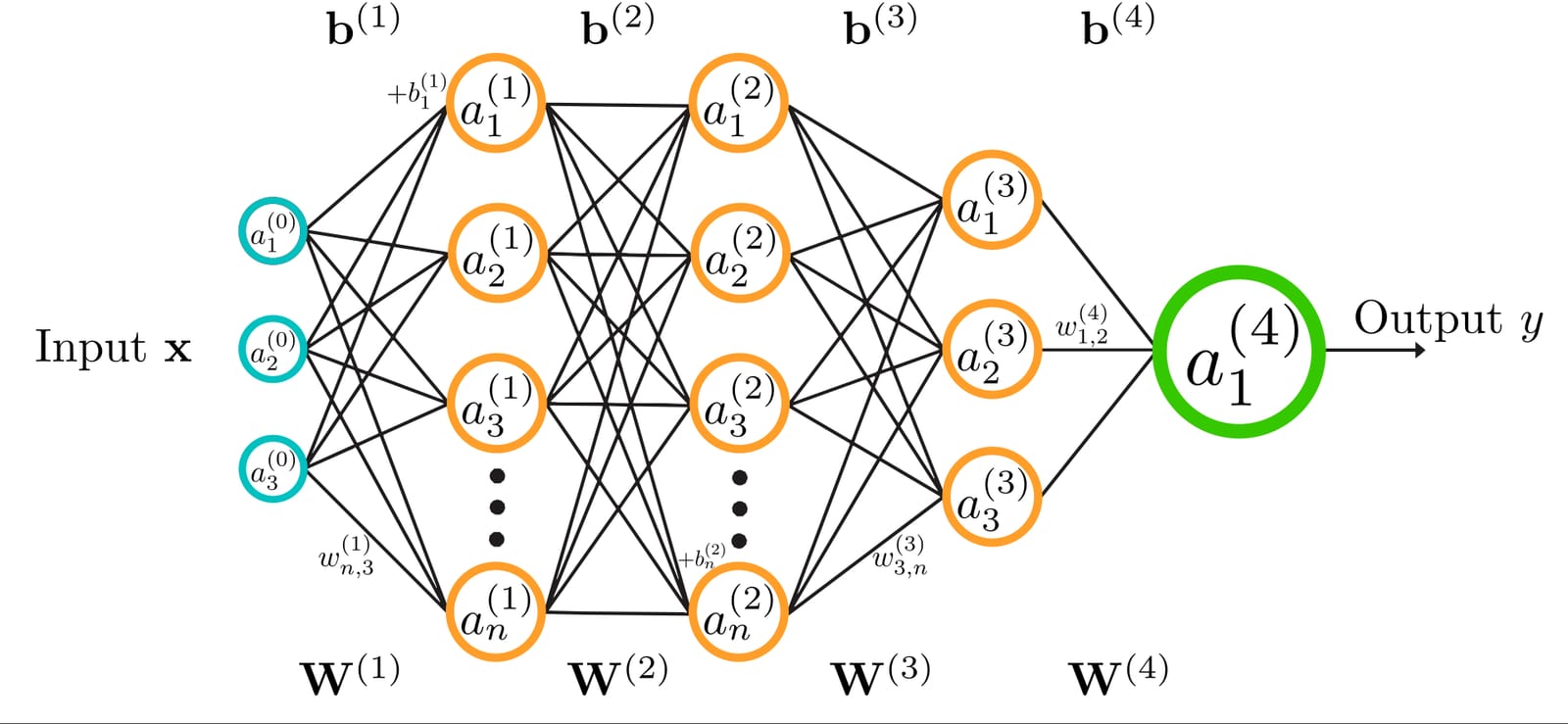
He also says he was able to map entire circuits, and he believes a full understanding of frontier models is at least possible.
How other researchers responded
The reaction was split, and MIT Technology Review quotes several experts:
- Chris Potts of Stanford calls the post a hunch that lacks rigorous evaluation, noting that the reasoning rests on thousands of examples rather than systematic testing.
- Jacob Hilton of the Alignment Research Center, who has collaborated with Cammarata, says researchers understand less than 0.01% of top-tier models’ inner workings, and that neurons must be connected into circuits for full understanding.
- Neel Nanda of Google DeepMind, a pioneer of mechanistic interpretability, calls the work interesting but not a significant update to the overall picture.
- Oren Etzioni, a former technical director at the Allen Institute for AI, notes that the single-neuron view Cammarata now accepts matches a 1986 description by Geoffrey Hinton and colleagues, which his own earlier work had rejected.
Cammarata himself concedes the news is not “infinitely good,” and open questions remain, including how much combinations of neurons matter compared with single neurons. On social media some researchers praised the post as a major advance, with one saying it moved their understanding forward by years, while others warned it was being taken too far.
Why it matters
Interpretability aims to let people check what a model is doing internally rather than trusting its outputs. If neurons are cleaner than believed, monitoring for dangerous behavior could be cheaper and more reliable. If the claim fails under systematic testing, the field is back where it was: understanding a small fraction of what happens inside large models. The context is a summer of reports in which agents from major companies breached containment, as in the incident discussed in our report on the Hugging Face CEO’s criticism of a documentary. Better inspection tools are part of the answer to such events.
What to watch next
- Goodfire’s promised technical results on modern language models.
- Independent replication on models other than the 2014 image network.
- Whether others test the claim systematically rather than by example.
- Work connecting single-neuron readings to circuits.
- Whether safety teams adopt the approach in monitoring.
Key takeaways
- Cammarata argues neurons once seen as polysemantic may be clean, readable detectors.
- His main example is a re-read of a 2014 image model, not a modern language model.
- Potts, Hilton and Nanda say the case is promising but not yet rigorous or a major update.
- The post itself calls this a working hypothesis; technical LLM results are still to come.
- The stakes are practical: easier monitoring and control of powerful models.
Frequently asked questions
What does “clean” mean here?
That a neuron responds to one understandable pattern, like a V shape, rather than a confusing mix of unrelated inputs.
Has the claim been proven?
No. Critics say it rests on many examples but no systematic evaluation, and the language-model results are still unpublished.
Does this mean we understand large language models?
No. Hilton estimates researchers understand under 0.01% of top models’ inner workings.