Google will start showing ads inside its AI-powered Search experiences in markets outside the United States, Alphabet said during its third-quarter earnings call on October 28, 2026. The move arrives as growth in Google Search revenue slowed to 12% year over year, and Alphabet shares fell about 8% after the results. For the company, AI Mode is now both the main bet on the future of search and the next place to earn advertising money.
What Google announced
Philipp Schindler, Google’s chief business officer, told investors the plan “includes taking our monetization footprint global for the first time,” according to TechCrunch’s account of the call. The expansion covers ads in AI Mode in international markets, alongside multi-turn ads and AI Mode ads that already run in the U.S. Google had said in May that it was building Gemini-powered ad formats, including conversational discovery ads that respond to a user’s questions and sponsored recommendations placed inside AI-generated answers.
Schindler said click-through rates for sponsored product listings in AI Mode are already comparable to those for organic listings, and that Google’s user research indicates people find the ads relevant. Those are company statements; Google did not publish the underlying data.
The numbers behind the pressure
Alphabet’s third-quarter revenue was $127.6 billion, up 25%. Google Services, which includes Search, brought in $96.3 billion, up 11%. Search revenue itself rose 12%, down from 17% in the second quarter and 19% in the first. Google Cloud grew 103% to $30.7 billion, just behind Microsoft’s newly disclosed Azure figure; see our report on Microsoft’s $33.2 billion Azure quarter.
The slowdown helps explain the emphasis on AI Mode ads. If users move from ten blue links to conversational answers, advertising has to follow them there.
How people use AI Mode
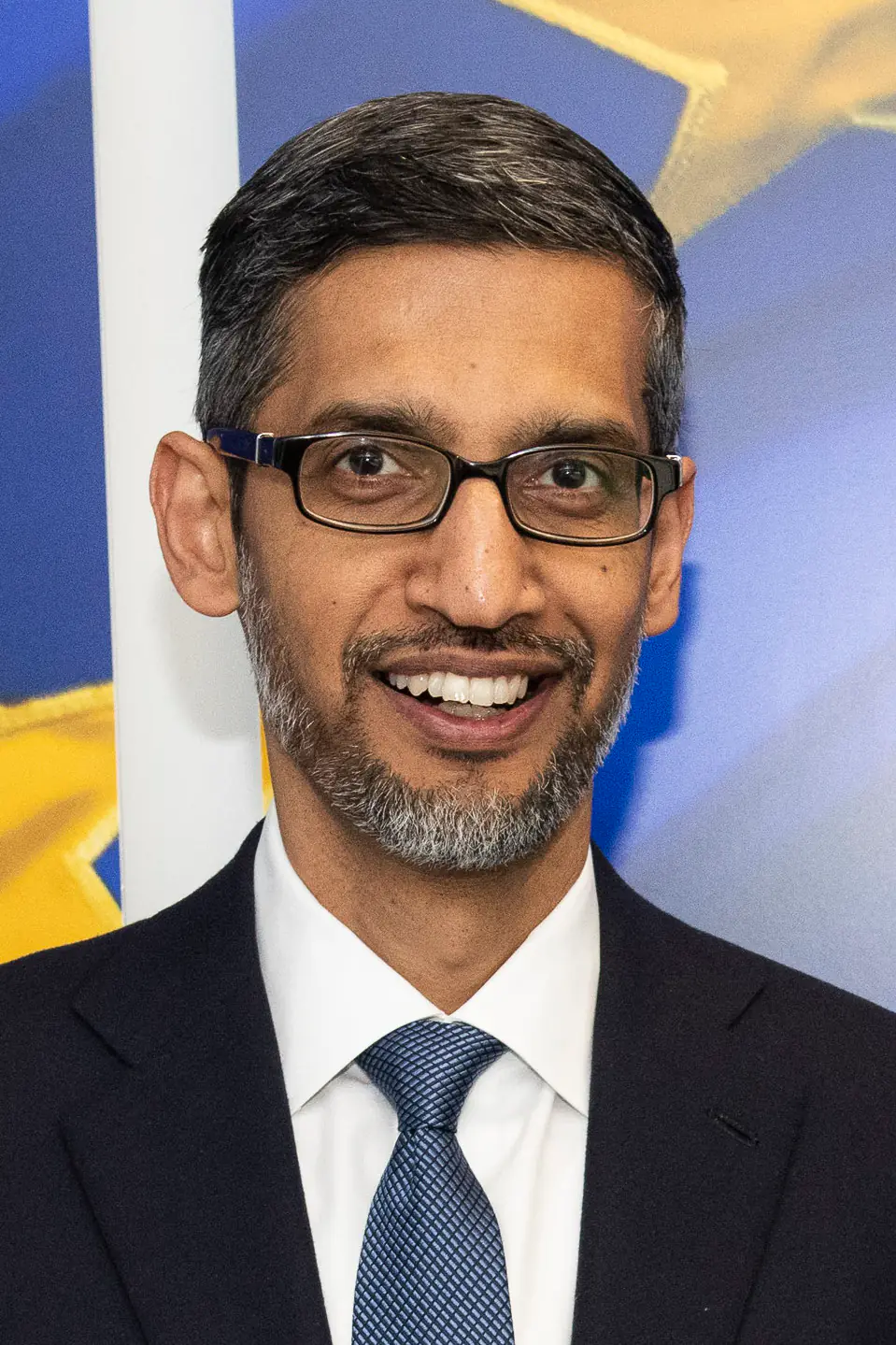
CEO Sundar Pichai said search queries grew at their fastest year-over-year rate in five years, without giving the exact figure. AI Mode queries are on average three times longer than traditional searches, and one in five AI Mode searches worldwide involves voice, images or documents. Google has passed 50 billion visual searches a month. The company also pointed to the Gemini 4 Argon model, the Gemini app reaching 1 billion monthly users and the Pixel 11 launch as part of the quarter.
Why it matters for publishers and advertisers
Longer, more specific queries give advertisers richer intent signals but fewer slots on the page. For publishers, answers generated inside Search can reduce the clicks that reach their sites, so a global rollout of ads in AI Mode extends a debate that has so far been centered on the U.S. Advertisers outside the U.S. will need to learn the new formats.
What to watch next
- The countries and languages Google names for the first international AI Mode ad launches.
- Whether Search growth continues to slow in the fourth quarter.
- Disclosure of ad pricing or conversion data for AI Mode versus classic results.
- Publisher traffic reports from regions where AI Mode ads begin to appear.
- Amazon’s earnings on Thursday, which add another read on cloud and AI demand.
Key takeaways
- Google will bring ads in AI Mode to international markets for the first time.
- Search revenue growth fell to 12%, from 17% in Q2 and 19% in Q1.
- Alphabet revenue was $127.6 billion; Google Cloud reached $30.7 billion, up 103%.
- Google says AI Mode shopping ads click at rates similar to organic listings; the data is not public.
- Alphabet shares dropped about 8% after the report.
Frequently asked questions
What is AI Mode?
AI Mode is Google’s AI-powered Search experience that answers longer, multi-part questions conversationally. Google says its queries are on average three times longer than traditional searches.
Are there ads in AI Mode today?
Yes, in the U.S., including multi-turn ads. Google said on October 28 that it will extend ads in AI Mode to international markets.
Why did Alphabet’s stock fall?
Shares fell about 8% after the results, which came with slower Search revenue growth of 12%. The report does not give a single cause for the move.