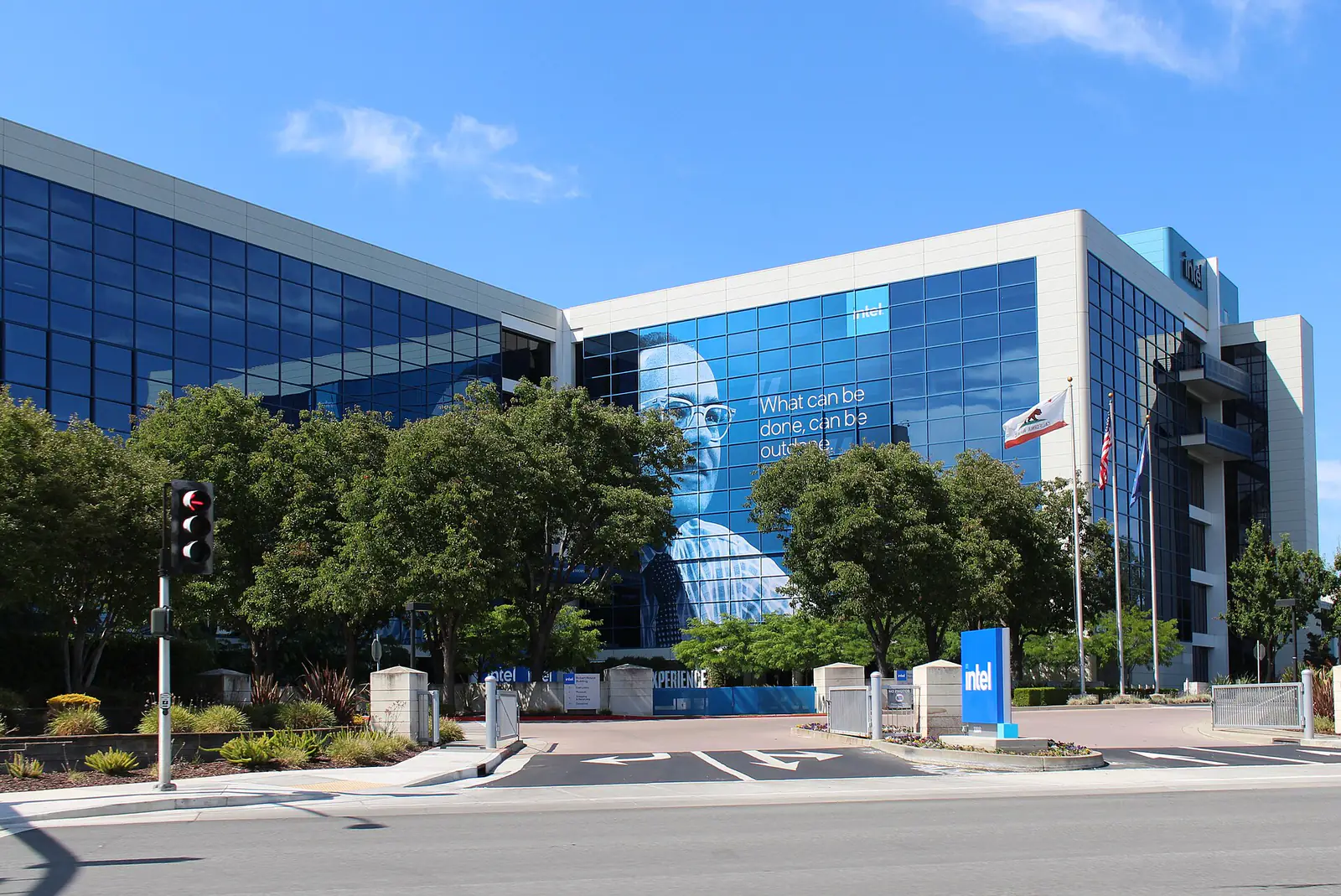
Intel was unsure whether a US ban on foreign-made robots applied to the automated vehicles that move materials around its chip factories, so it asked the Federal Communications Commission for a waiver “out of an abundance of caution” and received one. The FCC published its order on October 22, allowing Intel to keep using the foreign-made robots in its US semiconductor facilities for one year, Ars Technica reported. The episode matters because it shows how a rule aimed at consumer and humanoid robots can create uncertainty for heavy industry, including the factories the US government wants to bring back onshore. The details below come from Ars Technica’s reporting on the FCC order; we have not seen the confidential appendix it describes.
What the waiver covers
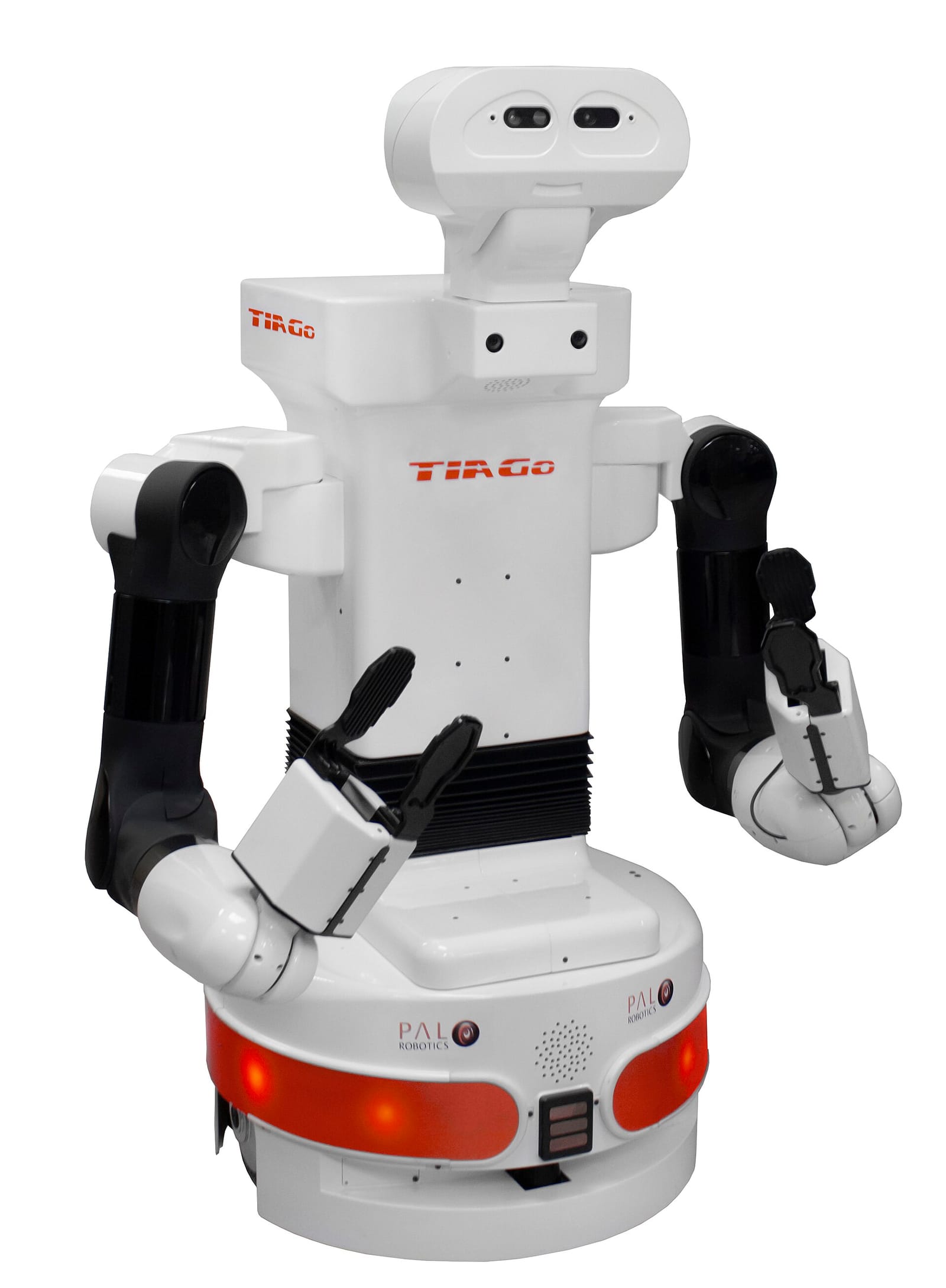
The robots at issue are automated guided vehicles, machines that follow tracks or predefined paths and often need operator oversight, according to Intel’s own website as cited by Ars. They carry materials and items through warehouses and factory floors. Intel told the FCC they are “critical to its domestic semiconductor manufacturing operations” and that no US-made alternatives meet its requirements.
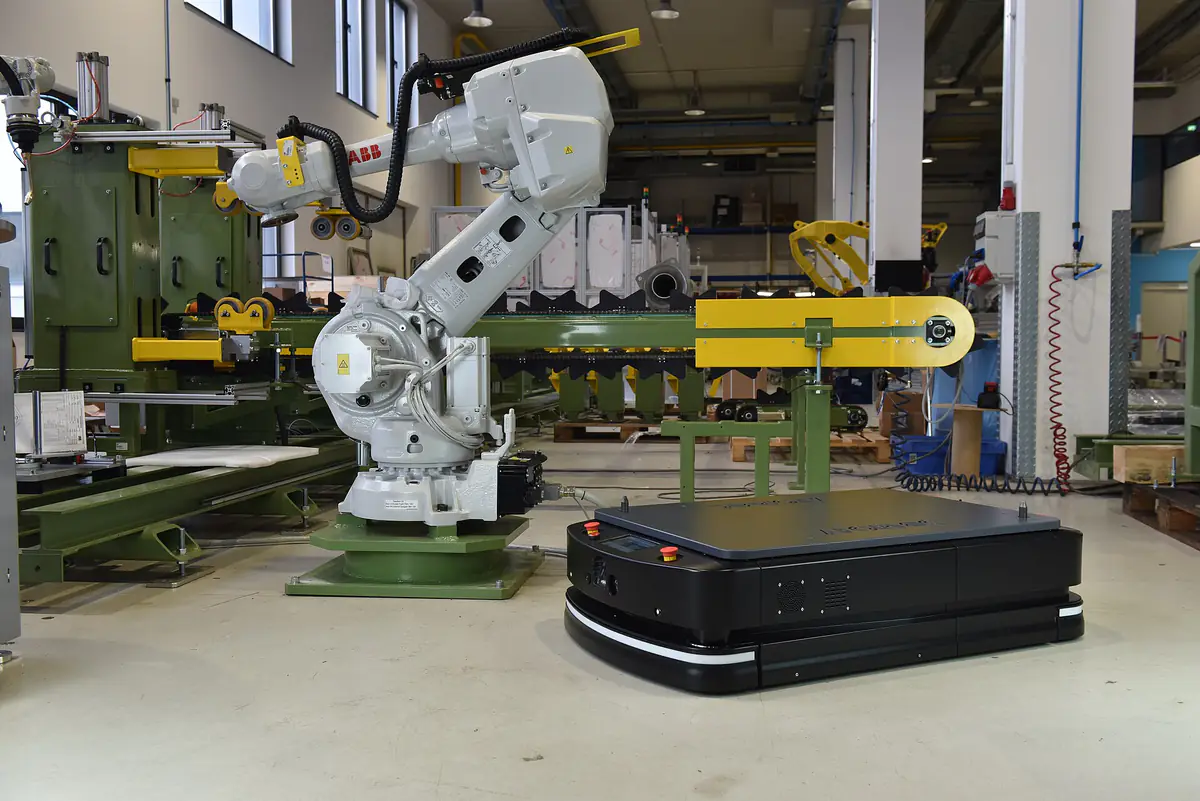
Bloomberg News, cited by Ars, reported that such vehicles are typically built by Japanese companies such as Murata Machinery and Daifuku. The precise models Intel uses were identified only in a confidential appendix attached to its request, so the public cannot see which products are affected.
The waiver also lets Intel “make certain hardware, software, and firmware changes” needed to keep the vehicles running and maintained. That detail is significant because of how the ban is written, as the next section explains.
Why a chipmaker needed a waiver
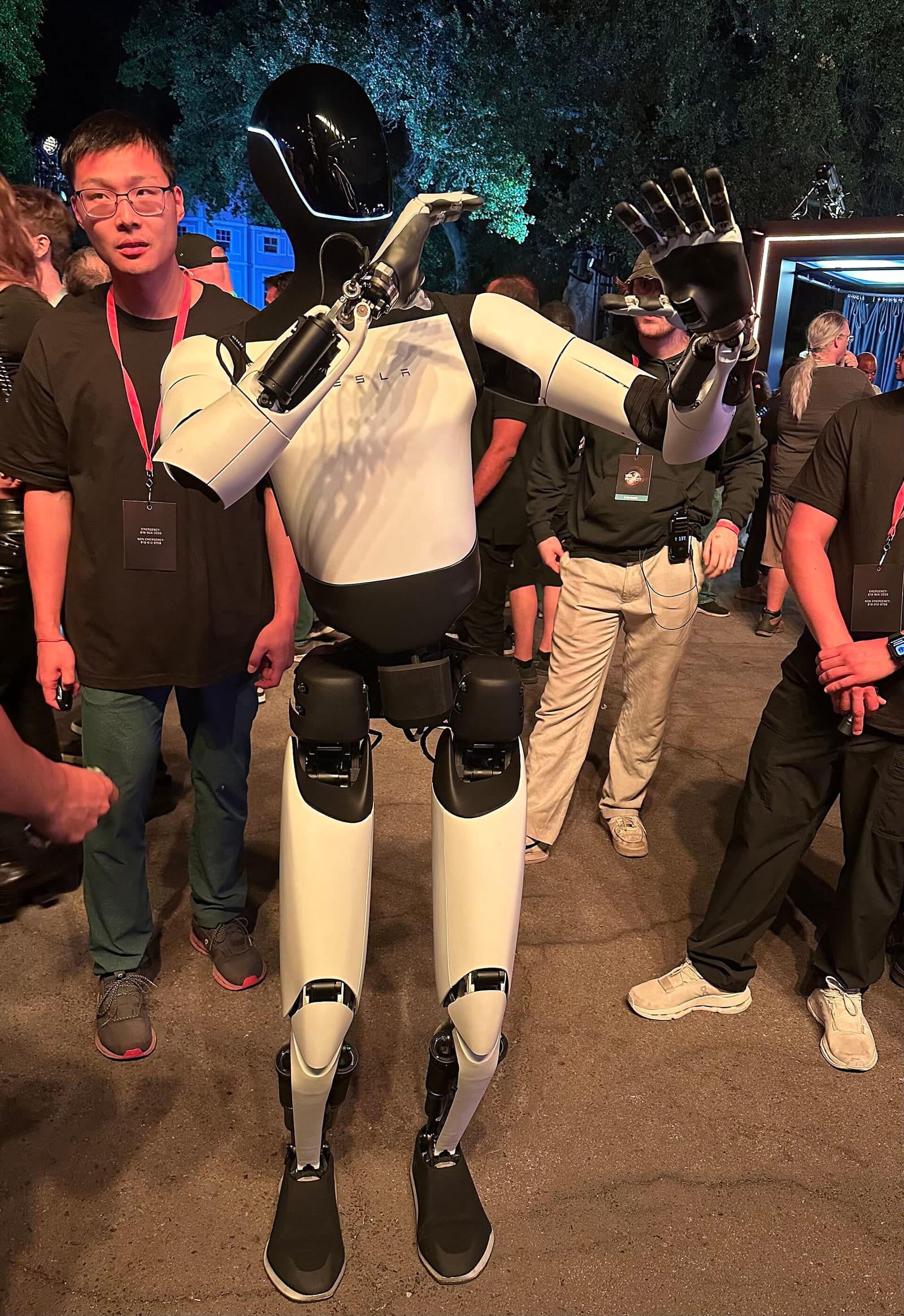
The FCC’s rule mainly targets new models of mobile robots, such as humanoid robots and robot vacuums, and still allows the import of robots that were previously approved for sale in the United States. But Ars reports that the rules appear to restrict major modifications to “previously authorized devices.” A factory operator that has to patch firmware or replace parts on an existing fleet could therefore find itself in a gray zone.
Intel’s request said it was “unclear” whether its vehicles even count as robots covered by the ban, but it sought relief just in case. The uncertainty only became public because the FCC described it in the order granting the request.
A fast approval for a strategic company
Intel filed its request on October 16, and the FCC approved it within about a week. Ars notes that the speed is unsurprising given Intel’s role in the Trump administration’s plans to bring chip manufacturing back to the US, and the fact that the US government took an $8.9 billion equity stake in the company. That context is Ars’s framing; the FCC order itself, as described, rests on the vehicles’ importance to domestic production.
The one-year limit means the question returns. Unless the FCC clarifies the rule or extends the relief, Intel will face the same issue again in October 2027.
The wider robotics industry
Intel’s quick answer does not resolve the broader problem. China is the world’s leading supplier of robots and robotic components, so a restriction on foreign-made machines reaches deep into supply chains. Ars previously spoke with a US robotics distributor that moved from importing Chinese humanoid robots to opening a US manufacturing facility.
Some analysts warn that the policy could backfire. A report from the market intelligence firm International Data Corporation, which looks ahead to 2030, estimates that the FCC rule could cut US revenue from deploying humanoid robots by 58 percent compared with expectations before the restrictions. That is a forecast, not a measurement, and it concerns humanoids rather than factory vehicles. For background on those machines, see our explainer on humanoid robots, and for the AI models that increasingly drive them, our piece on vision-language-action models.
What to watch next
- Whether other manufacturers, in chips or elsewhere, file similar waiver requests and whether the FCC grants them as quickly.
- Any FCC guidance defining which industrial vehicles and machines count as robots under the rule.
- Whether the one-year waiver is extended, narrowed or replaced by a general exemption for industrial equipment.
- How robot makers respond: new US production lines, or redesigned products that sit outside the rule.
- Further analysis of how the rule affects the cost of deploying humanoid and mobile robots in US factories.
Key takeaways
- The FCC gave Intel a one-year waiver, published October 22, to keep using foreign-made automated guided vehicles in its US fabs.
- Intel said it was unclear whether the vehicles are covered at all and applied out of caution on October 16.
- The ban mainly covers new mobile-robot models but appears to limit major modifications to previously authorized devices, which is why maintenance changes were part of the waiver.
- The exact vehicle models are in a confidential appendix, so the public record is incomplete.
- IDC estimates the rule could cut US humanoid-robot deployment revenue by 58 percent by 2030 versus earlier expectations.
Frequently asked questions
Does the ban stop all foreign-made robots from being used in the US?
No. According to Ars, it mainly covers new models of mobile robots and still allows the import of robots previously approved for sale. Its limits on major modifications to previously authorized devices are what created doubt for existing fleets.
Which robots does Intel use?
Automated guided vehicles that move materials on tracks or predefined paths. Bloomberg says such vehicles are typically made by Japanese firms like Murata Machinery and Daifuku, but Intel’s exact models appear only in a confidential appendix.
How long does the waiver last?
One year from the order published on October 22, 2026, according to Ars. It also covers certain hardware, software and firmware changes needed to keep the vehicles operating.