Jensen Huang resigned as president, chief executive and board member of Nvidia on Thursday, November 12, effective immediately, the company’s board announced. Chief financial officer Colette Kress is now interim chief executive while the board searches for a permanent successor, and director Harvey C. Jones becomes the first chair in Nvidia’s history. The change removes the only chief executive Nvidia has had since its founding in 1993, five days before its next earnings report.
What Nvidia announced
The board’s statement is short and gives no reason for the resignation. It says Kress will keep her roles as executive vice president and chief financial officer while serving as interim chief executive, and that the search will consider internal and external candidates.
Nvidia had never had a board chair. The directors appointed Jones, a venture investor who previously served as chief executive and executive chairman of the chip-design software company Synopsys. In the statement, Jones said the board expects “the company’s operations, customer commitments and product roadmap to continue without interruption.”
The company also confirmed that it will report third-quarter fiscal 2027 results on Tuesday, November 17, as scheduled, with a call at 2 p.m. Pacific time.
How the resignation came about
The announcement confirms the outcome that was still unverified when we reported that Nvidia’s board was preparing to remove Huang. According to The Verge, a board meeting on Wednesday night ended with his resignation.
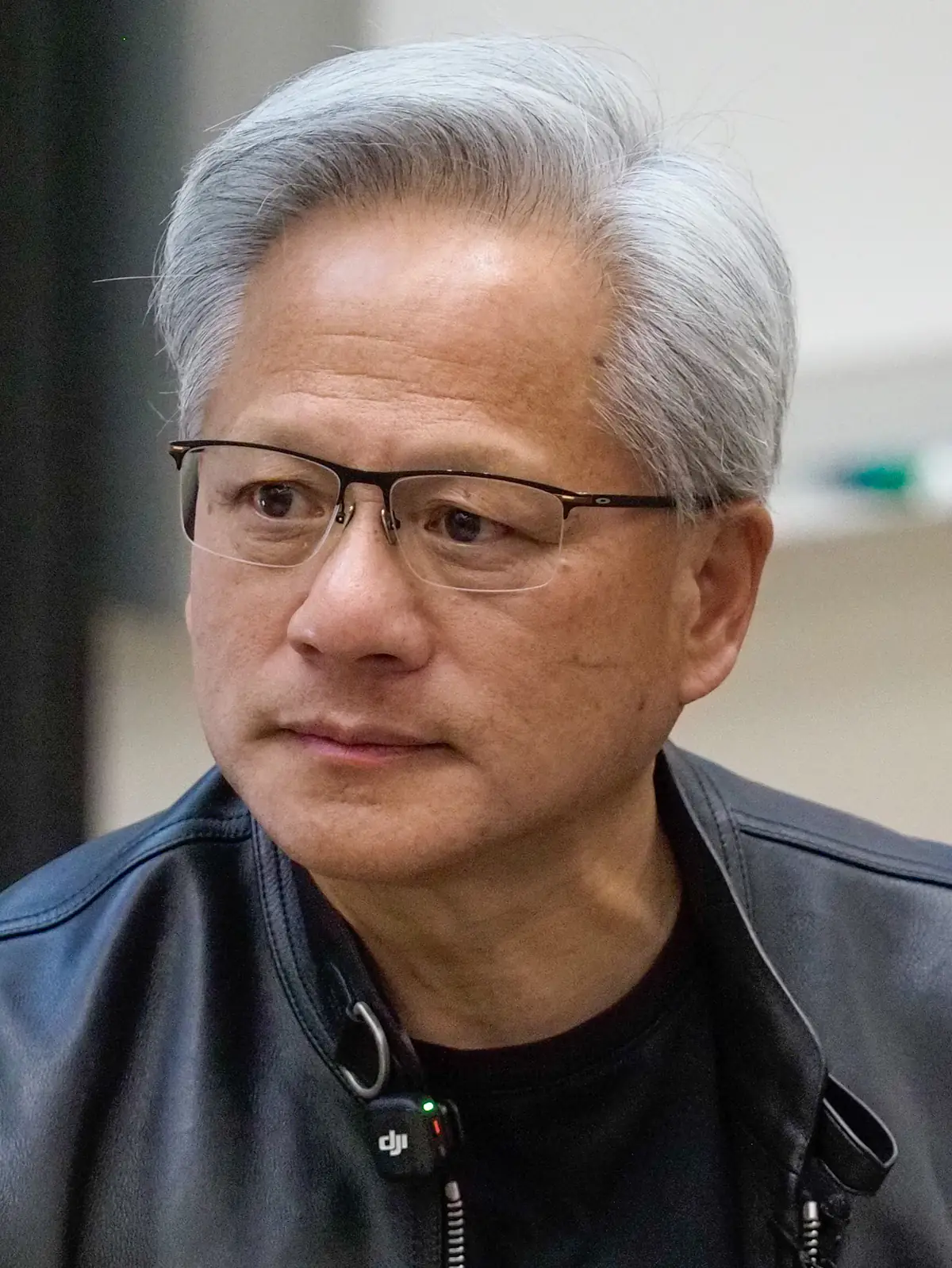
The pressure built over two weeks. The Decoder dates it to an October 29 report in The New York Times about possible ties between Huang and Chinese intelligence. Huang later acknowledged a relationship with an executive at Megaspeed, an Nvidia customer, whom US intelligence reports had identified as a suspected agent of China’s Ministry of State Security, The Verge reports. The board opened an independent investigation led by outside counsel on November 10.
On Wednesday the Times reported a second relationship, with an Nvidia vice president who reported directly to Huang. Hours after the resignation, Reuters reported a relationship with another Nvidia employee, according to The Verge and TechCrunch. Nvidia’s statement does not address any of these reports, and the second and third rest on unnamed sources.
Who is Colette Kress
Kress joined Nvidia in September 2013 and has run its finance organization since then. Before that she spent nearly 25 years in finance roles at technology companies including Cisco and Microsoft, the company says. TechCrunch adds that she was chief financial officer of Microsoft’s Server and Tools division for four years, and that she holds a finance degree from the University of Arizona and an MBA from Southern Methodist University.
She is a familiar voice to investors because she presents the numbers on every earnings call. That makes Tuesday’s call her first public test in the new role.
Congress and the market
Huang’s departure does not end the political scrutiny. He has agreed to testify behind closed doors before Thanksgiving, House Foreign Affairs Committee chair Brian Mast said on Thursday, according to TechCrunch. Mast and fellow Republican chairs John Moolenaar and Rick Crawford had requested his appearance in a November 4 letter and had threatened a subpoena.
Separately, Representative Richard Neal and Senator Ron Wyden, the senior Democrats on the tax-writing committees, asked Commerce Secretary Howard Lutnick to preserve records about the administration’s approval of Nvidia H200 chip sales to China, TechCrunch reports. As members of the minority they can ask questions but cannot compel answers.
Nvidia shares closed down 4.3 percent on Thursday, The Verge reports. The Decoder estimates the company has lost roughly $1.4 trillion in market value since October 29. TechCrunch put its value at about $3.8 trillion.
What changes for Nvidia customers and what does not
Nothing in the announcement alters products, pricing or supply. The hardware roadmap is set years ahead, and the software lock-in we described in our explainer on Nvidia’s CUDA moat does not depend on who runs the company.
The exposure is in decisions that Huang made personally. The Decoder notes that more than 60 people reported directly to him and that he left no succession plan. It also says he built a web of financing arrangements, including roughly $300 billion in guarantees for smaller customers. An interim chief who is also the finance chief is well placed to manage those commitments, but new deals of that kind may wait for a permanent leader.
Export policy is the second open area. Huang was the industry’s main negotiator on AI chip export controls, and both congressional inquiries now focus on how China sales were approved. Buyers that depend on licensed shipments should expect closer review.
What to watch next
- Nvidia’s earnings call on November 17, the first led by Kress as interim chief executive.
- The timing and scope of the board’s search, and whether it names internal candidates.
- Huang’s closed-door testimony to House committees, expected before Thanksgiving.
- Findings from the independent investigation the board opened on November 10.
- Any change to Commerce Department licensing of Nvidia chip sales to China.
Key takeaways
- Jensen Huang resigned as Nvidia’s president, chief executive and director on November 12, effective immediately.
- Chief financial officer Colette Kress is interim chief executive and keeps her finance role.
- Harvey C. Jones, a former Synopsys chief executive, is the first chair of Nvidia’s board.
- Nvidia gave no reason; the move follows reports about Huang’s personal relationships and a suspected Chinese intelligence link.
- Earnings on November 17 and congressional testimony later in the month are the next fixed dates.
Frequently asked questions
Who is running Nvidia now?
Colette Kress, Nvidia’s chief financial officer since 2013, is interim chief executive. She keeps her finance role until the board names a permanent successor.
Why did Jensen Huang resign?
Nvidia’s statement gives no reason. The resignation followed two weeks of reports about his personal relationships, including one with a customer executive whom US intelligence reportedly suspects of spying for China.
Will Nvidia’s products or roadmap change?
The board says operations, customer commitments and the product roadmap will continue without interruption. Any strategic change would more likely come after a permanent chief executive is appointed.