A federal judge has denied xAI’s motion to dismiss a lawsuit brought by the NAACP over the gas turbines that power its Colossus data center outside Memphis, so the Clean Air Act case will go forward. According to TechCrunch’s report on October 31, the Southern Environmental Law Center, suing on the NAACP’s behalf, alleges that xAI installed and operated at least 35 combustion turbines and other pollution sources without the required construction or operating air permits. The Justice Department’s similar motion to dismiss was also denied earlier this month, according to the same report.
What the court decided
xAI, which TechCrunch describes as SpaceX-owned, asked the court to throw the case out on several grounds. Judge Debra M. Brown rejected the main ones in a single ruling, as quoted in TechCrunch:
- Mobile equipment. xAI argued the turbines are exempt from permitting because they are mobile. The judge found that the turbines are not “mobile sources” under Mississippi’s State Implementation Plan, the state’s federally approved air-quality rulebook.
- Standing. xAI argued the plaintiffs could not sue. The judge held that they have statutory standing under the Clean Air Act.
- Constitutional challenge. xAI argued that citizen suits like this one are unconstitutional. The judge disagreed, writing that plaintiffs who sue “on their own behalf, in their own name” and seek penalties that redress their own harm “are not exercising the federal government’s executive power.”
A motion to dismiss only tests whether the claims are legally viable if the facts are as alleged. The ruling does not say xAI broke the law. It says the plaintiffs may now try to prove it.
What the NAACP says
The NAACP’s director of environmental and climate justice, Abre’ Connor, called the decision “another important victory” and said xAI “cannot operate gas turbines without the required permits.” The organization says courts have repeatedly rejected attempts by xAI and the Justice Department to dismiss the case. We did not find a public response from xAI in the reporting we reviewed, and we have not seen the court filing itself, so the details above rely on TechCrunch’s account.
Why the case matters for AI infrastructure
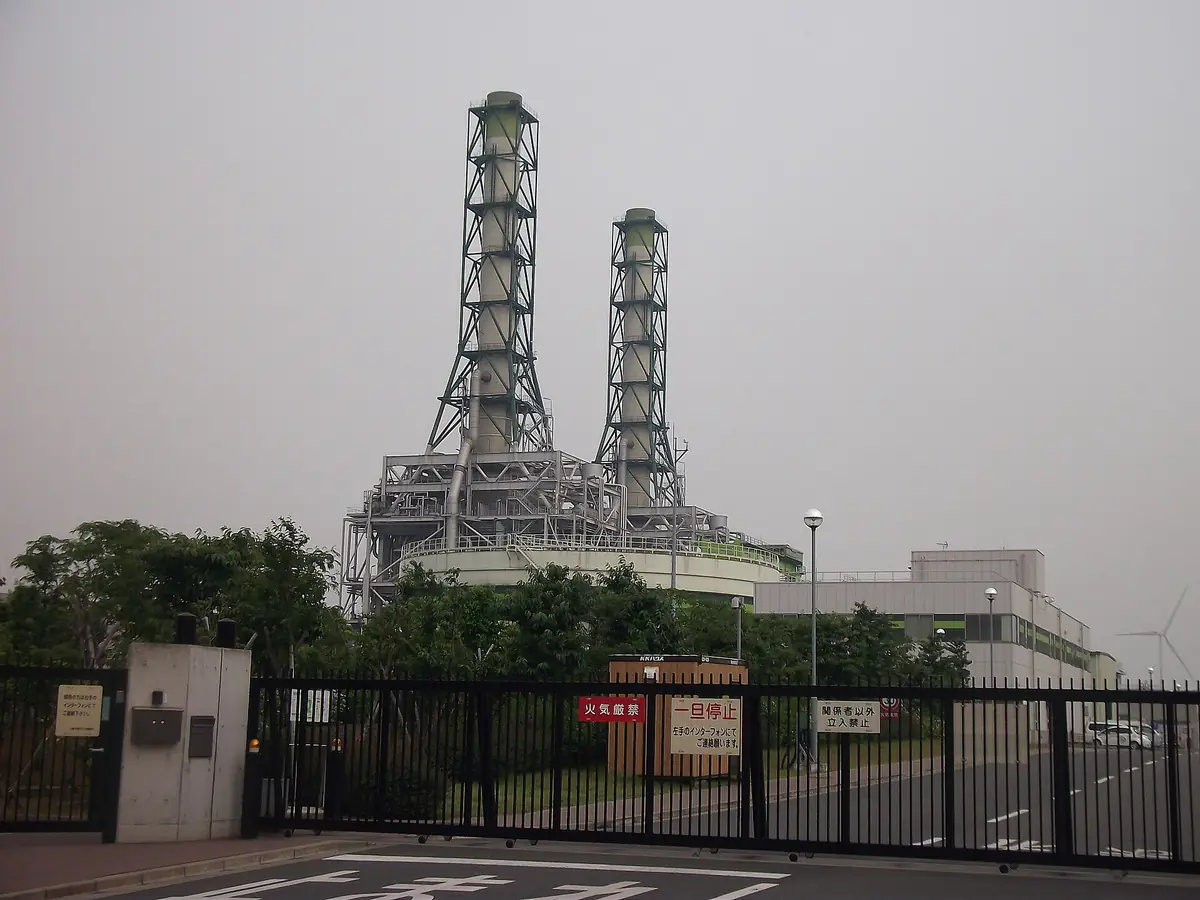
Training and serving large models needs electricity faster than utilities can usually deliver it. On-site gas turbines are one way to start a data center quickly, and the permit question is exactly where that speed meets environmental law. If courts keep rejecting the argument that temporary or mobile-style turbines sit outside permitting rules, other developers who lean on the same approach face more legal and schedule risk.
The ruling also shows that private groups can use the Clean Air Act’s citizen-suit provision against a data center operator, independent of what regulators do. That matters because TechCrunch notes that public opinion appears to have turned sharply against data centers: New York recently passed a moratorium on new ones, other state and local governments are weighing similar measures, and Amazon and Microsoft have promised to stop using non-disclosure agreements in dealings with government agencies. The topic could also play a role in the imminent U.S. midterm elections, according to TechCrunch.
How this fits with other data center stories
The tension between fast build-outs and local consent runs through recent coverage. We reported that the UK government consulted 137 businesses and no environmental groups on its data center plans, that Microsoft exited a planned Essex data center over power constraints, and on the scale of Meta’s Prometheus supercluster. Together they show power supply, permits and public trust becoming as important as chips.
What to watch next
- Whether xAI appeals the ruling or moves to resolve the case through a settlement or a permit application.
- The discovery phase, which could reveal how many turbines operate at the site and under which permits.
- Whether other developers using on-site turbines face similar citizen suits.
- State and local moratoriums on new data centers, and how they treat on-site generation.
- How data center backlash shapes campaign messaging before the midterm elections.
Key takeaways
- A federal judge denied xAI’s motion to dismiss the NAACP’s Clean Air Act lawsuit over turbines at Colossus.
- The suit alleges at least 35 combustion turbines operated without required air permits.
- The court rejected xAI’s arguments that the turbines are mobile, that the plaintiffs lack standing, and that citizen suits are unconstitutional.
- The ruling lets the case proceed; it does not decide whether xAI violated the law.
- The case adds to growing legal and political pressure on how AI data centers get their power.
Frequently asked questions
What is the NAACP suing xAI over?
The NAACP, represented by the Southern Environmental Law Center, alleges that xAI ran at least 35 gas turbines at its Colossus data center without the air permits required under the Clean Air Act.
Did the judge find that xAI broke the law?
No. The judge only refused to dismiss the case, finding the claims legally sufficient to proceed. Whether xAI violated the law will be decided later.
Why does xAI say it does not need permits?
xAI argued that the turbines are mobile and therefore exempt. The judge held that they are not mobile sources under Mississippi’s State Implementation Plan.