Nirva, a startup building an AI wearable shaped like a piece of jewelry, announced a $25 million pre-Series A round on October 22, bringing its total funding to $33 million, TechCrunch reported. The company’s pitch is a pendant that continuously listens to the person wearing it and, by design, ignores everyone else. The announcement matters because ambient AI devices, always-on gadgets that capture daily life, face a persistent privacy objection, and Nirva is trying to answer it in hardware and software from the start. The details below come from TechCrunch’s report and a call the outlet held with the company’s chief executive; we have not tested the device.
The funding and the founders
According to TechCrunch, the $25 million round follows $8 million the company raised earlier this year from investors including Lightspeed and South Park Commons. Nirva was founded in 2025 by Wei Lyu and Jason Chen, both former Meta Reality Labs employees, together with Hanying Hu, who founded a fashion and jewelry brand. Lyu is the chief executive.
The mix of backgrounds reflects the product: a wearable meant to be worn all day has to look like something people want on their body, not like a gadget.
What the device is
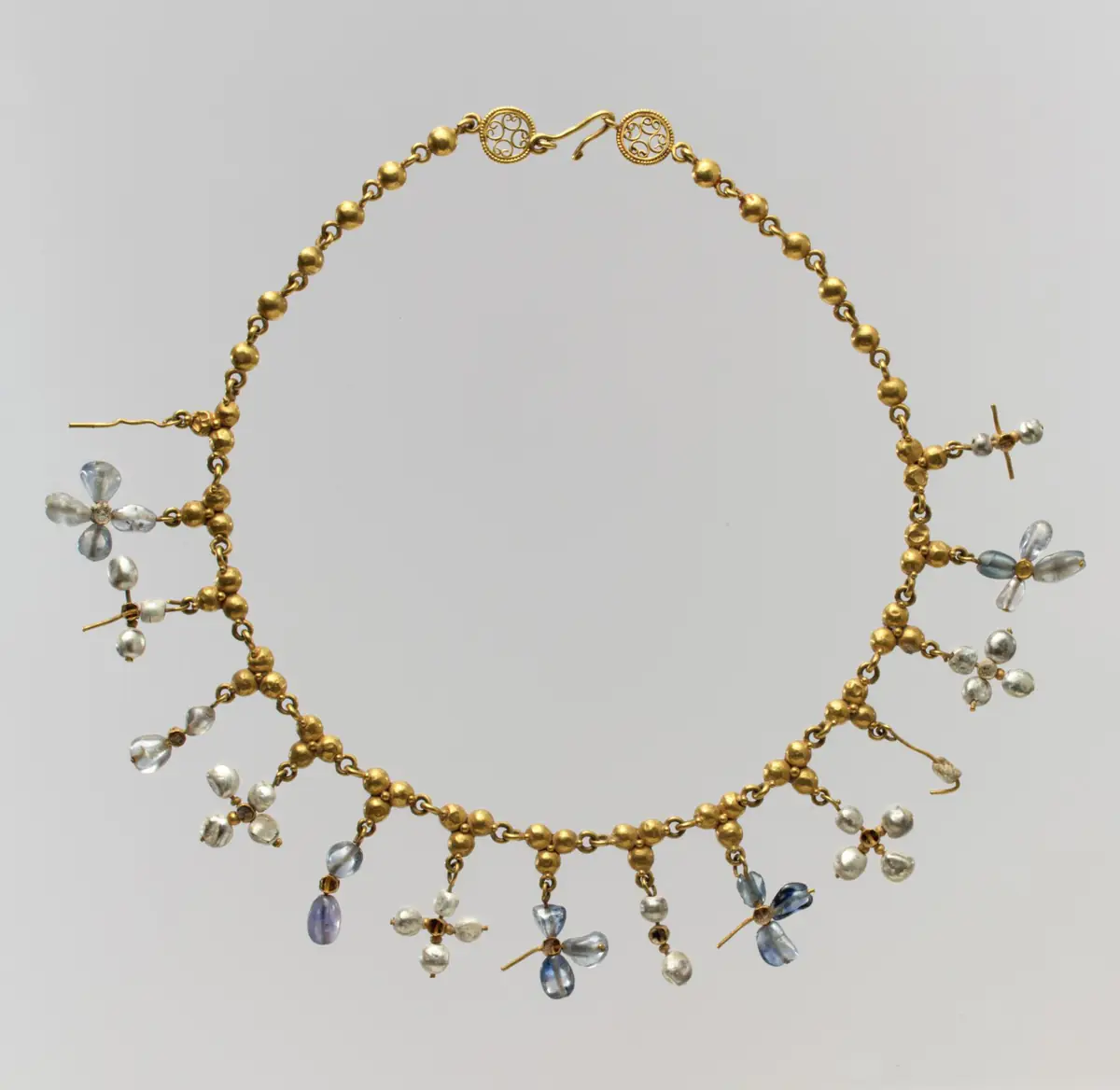
The first product is a pendant that can also be worn as a bracelet. TechCrunch reports it weighs about eight grams and lasts up to three days on one charge. It will cost $249 and come in silver, brushed silver, black and gold. The company says it intends to release more devices over time.
Nirva will start taking orders in November and aims to ship to early users by the end of the year, according to the report.
How the “only you” listening works
Ambient recording raises an obvious concern for the people around the wearer, an issue TechCrunch notes has followed camera-equipped smart glasses such as the Ray-Ban Meta. Nirva’s approach is to build a voice profile of the wearer. During onboarding, users record snippets of their own voice. According to the report, the device then filters out conversations and data from other people nearby, so that only the wearer is recorded.
Lyu told TechCrunch that the device is “always on” and passively listens to the wearer’s own speech, and she distinguished it from voice recorders and meeting note-takers. She named other products in the space, including Taya, Vocci and the Sandbar Ring, and said Nirva differs because it continuously models the user.
Data handling
By default, Nirva does not keep audio or transcripts after processing conversations, according to TechCrunch. The company also told the outlet that before discarding audio it can analyze tone, pitch, volume and speed, which it uses to infer emotional patterns shown in the app. That detail is worth noting: even without storing the recording, the system derives personal inferences from it. Where those inferences are stored, who can access them and how long they are retained were not described in the coverage we reviewed, and we recommend readers check the company’s privacy policy once it is published.
What the app does
The companion app analyzes the wearer’s speech and produces what the company describes as insights about patterns, the people who tend to be around the user, places visited and daily notes. TechCrunch says Nirva positions itself as a personal insights company, not a productivity startup, though the app also shows reminders and action items. Lyu gave an example of the app nudging her to thank her mother after she forgot to do so. She said the aim is to help users improve “self-understanding, self-compassion, and self-awareness.”
The competitive picture
TechCrunch frames the launch against a wave of ambient AI hardware. It cites a new wrist-worn device from Amazon built with Bee, a startup called Ambi founded by a former Plaud executive that plans its own hardware, and Apple’s Voice Intelligence features announced alongside its September iPhone launch. Companion-style gadgets from Friend and Bee, and jewelry from the former Apple employees behind Taya, are also named as competition.
For readers following the category, our explainers on AI smart glasses and on-device AI versus cloud AI cover the privacy and processing trade-offs that devices like this raise.
Open questions
Several practical points remain unanswered in the reporting. The company has not, as far as the coverage shows, published independent tests of how reliably the voice filter separates the wearer from bystanders, especially in noisy places or when other people speak very close to the device. It is also unclear how consent laws that require permission to record conversations apply to a device that is designed to capture only the wearer’s side of a talk, and where processing happens, on the device or in the cloud. Early reviews after shipping will show whether the promise holds up.
What to watch next
- Independent hands-on reviews once early units ship, expected by the end of the year.
- Nirva’s published privacy policy and data-retention details.
- Whether bystander-filtering claims are tested outside controlled settings.
- Competing launches from Amazon, Apple and startups in the same category.
- Any regulatory guidance on always-on voice capture.
Key takeaways
- Nirva announced a $25 million pre-Series A, for $33 million raised in total.
- The $249 pendant, also wearable as a bracelet, weighs about eight grams and lasts up to three days per charge.
- It builds a voice profile at onboarding and filters out other speakers, according to the company.
- Audio and transcripts are not kept by default, but tone and pace are analyzed first.
- Orders open in November, with shipments to early users targeted for the end of the year.
Frequently asked questions
Who invested in Nirva?
TechCrunch names Lightspeed and South Park Commons among investors in an earlier $8 million round. It did not list the investors in the new $25 million round in the coverage we reviewed.
Does the Nirva pendant record other people?
The company says it filters out other voices using a profile of the wearer’s voice, so only the wearer is recorded. Independent verification has not been published.
When can I buy it?
Nirva says it will take orders in November and aims to ship to early users by the end of the year, at $249.