Thinking Machines Lab on Thursday, November 20, released Inkling 2 Mini, an open-weight multimodal model with 26.4 billion parameters that is built to run on a single desktop machine. Its unusual feature is a “looped” design: the middle 12 of its 24 layers run three times for every token, giving it the depth of a 48-layer model while storing only 24 layers of weights. The model is licensed under Apache 2.0, accepts text and images, supports a context window of up to 1 million tokens, and ships as a checkpoint of about 20GB.
What Thinking Machines released
According to the model card, Inkling 2 Mini is a mixture-of-experts model: each token is routed to 8 of 128 experts in every layer, so only 3.4 billion parameters are active per layer pass. Because the looped layers run three times, Thinking Machines puts the effective active count at 5.4 billion parameters per token. The weights come in a mixed format, with expert weights stored in NVIDIA’s NVFP4 and the MXFP8 microscaling format, plus a small “drafter” model for faster speculative decoding.
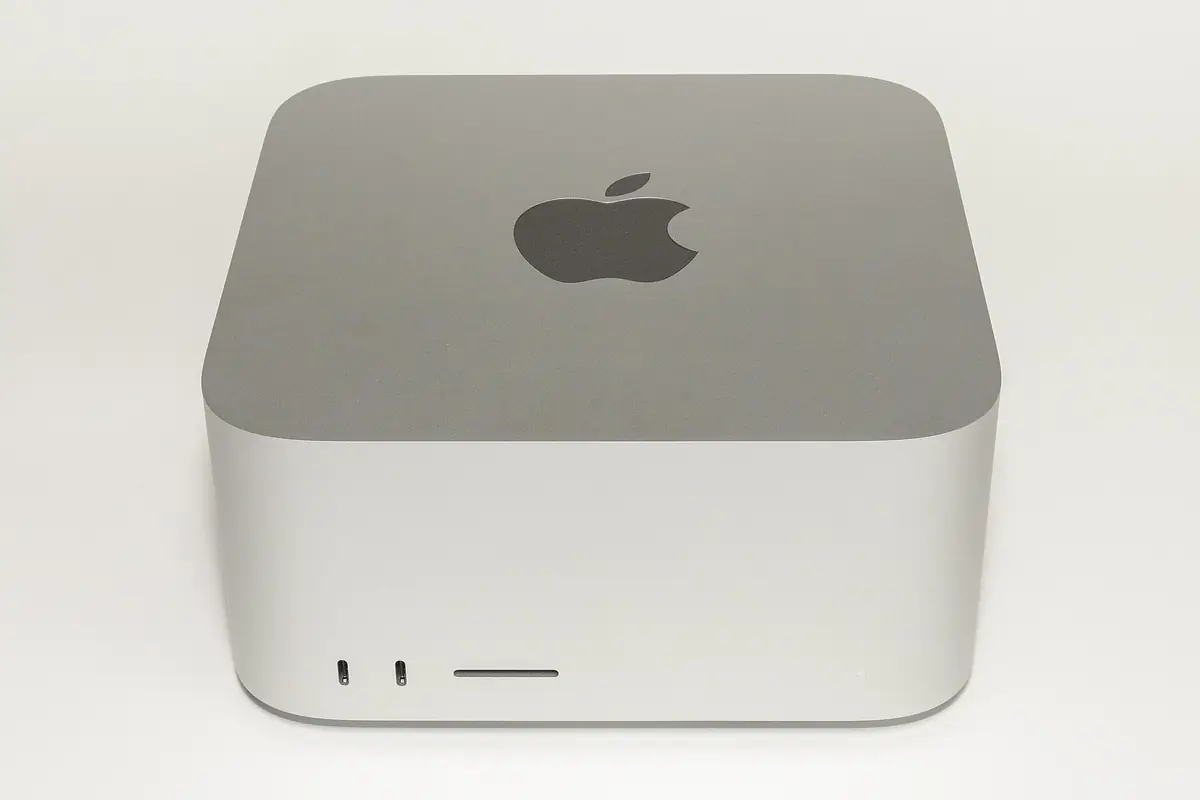
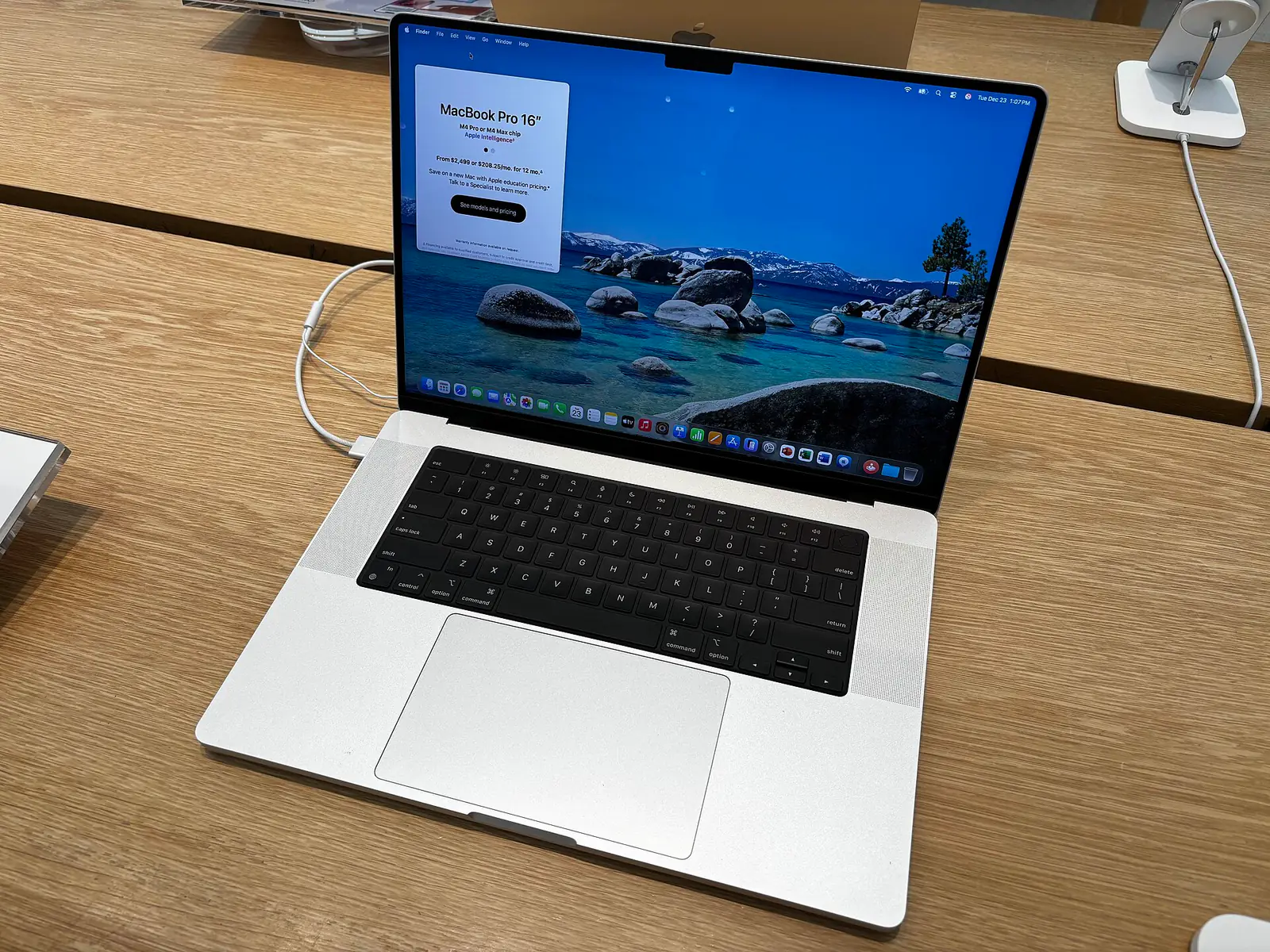
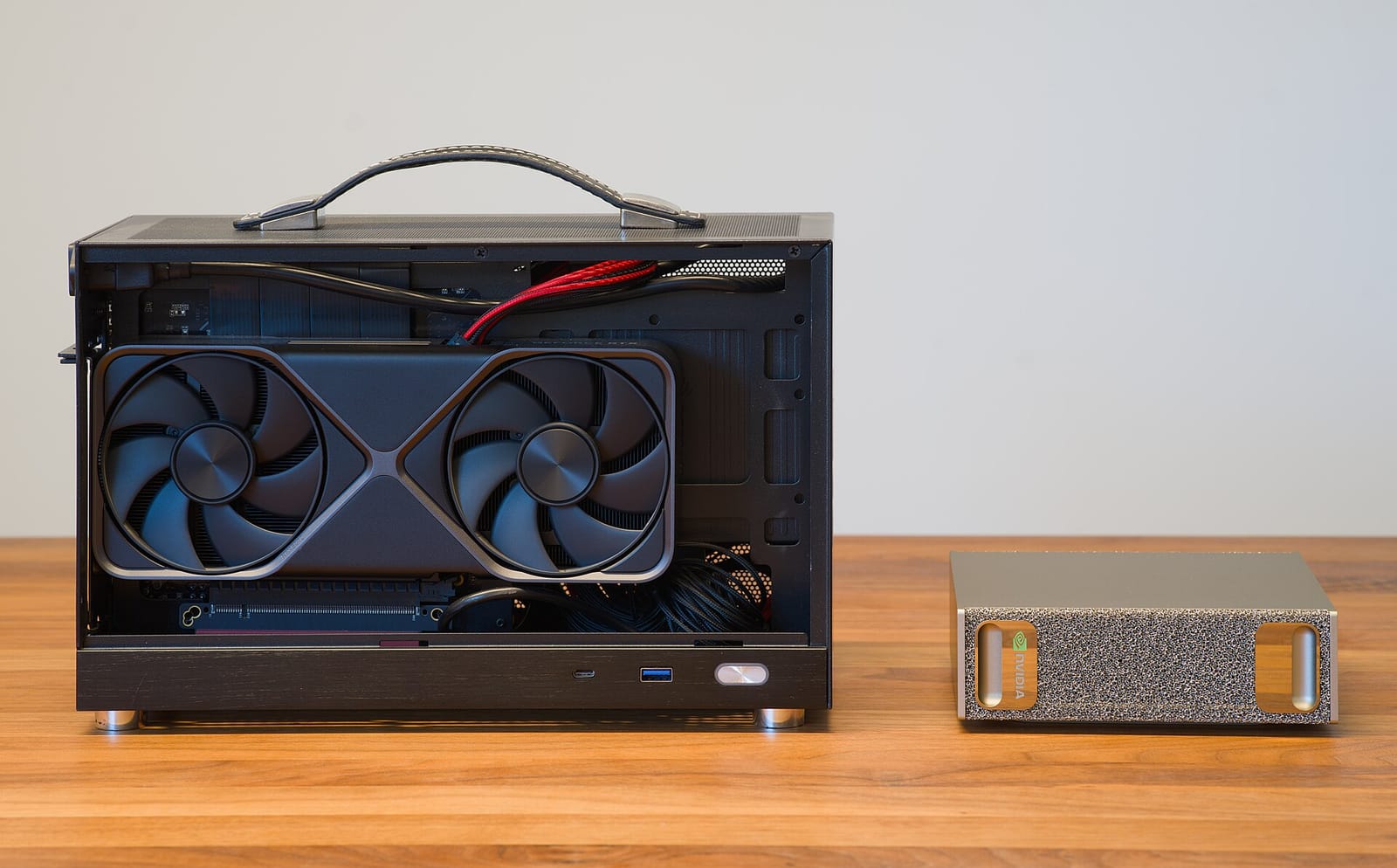
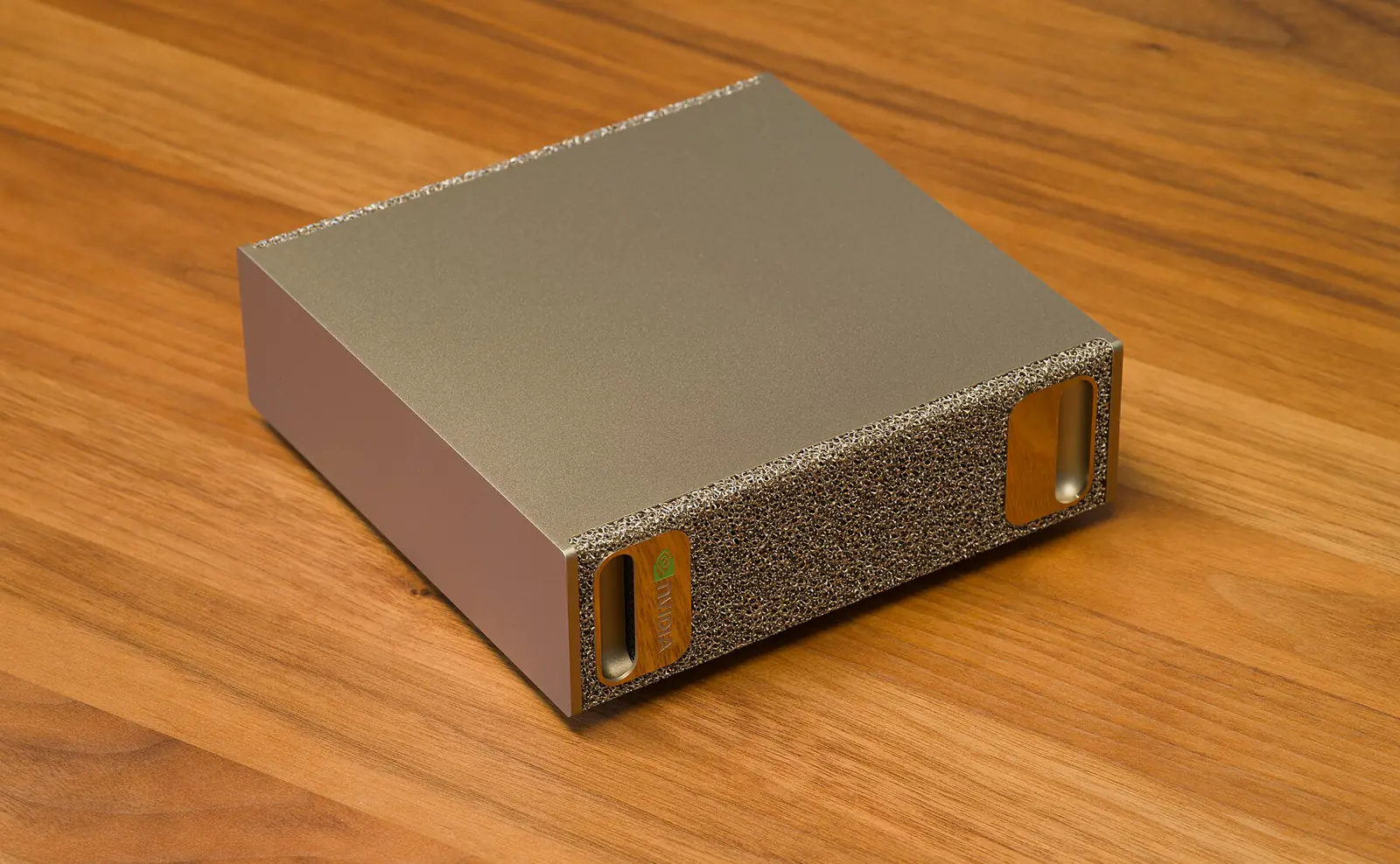
The company lists three supported local setups: one NVIDIA DGX Spark, Apple silicon machines with 32GB of memory or more, and other GPUs with at least 32GB of video memory recommended. Hugging Face shipped support in its Transformers library, llama.cpp and MLX on day one, vLLM and SGLang added server support, and Ollama lists the model as inkling-2-mini at 20GB. Developers can also call it through Thinking Machines’ Tinker fine-tuning platform.
Hugging Face’s write-up says a separate research checkpoint, TML-d24-varloop-research, was trained to accept one, two or three passes through the loop. Fewer passes run faster at some cost in quality; Hugging Face says it tested the variant but has not evaluated it in depth.
How the looped design works
Most transformers apply each layer once. Inkling 2 Mini runs layers 0 to 5 once, layers 6 to 17 three times with the same weights, and layers 18 to 23 once. Hugging Face explains that every pass through the looped core starts from the same input, the output of the first six layers, and that each looped layer reads a learned “message” from the previous pass. A small gate decides how much of that message to mix in, so each pass refines the last one.
The trade-off is that reusing weights saves memory, not compute. The model card notes that compute per token is higher than the active-parameter count suggests, because all 48 layer visits still run and each keeps its own key-value cache. For local users, that means the model fits in less memory than a dense 27B model but may not generate tokens proportionally faster. Our buyer’s guide to hardware for local LLMs explains why memory, not raw compute, is usually the binding constraint on laptops and desktops.
How it compares with Qwen3.8-27B and Gemma 4
Thinking Machines reports 48 benchmark results against four open models of similar size: Gemma 4 31B, Meta’s Muse Glimmer, Qwen3.8-27B and NVIDIA’s Nemotron 3.5 Super VL. Hugging Face says Inkling 2 Mini leads in 32 of the 48. All figures below are the lab’s own, not independent results:
- Artificial Analysis Intelligence Index v5: 20.1, tied with Qwen3.8-27B (20.1) and ahead of Nemotron 3.5 Super VL (13.6).
- SWE-bench Verified (bash only): 79.2%, against 77.8% for Qwen3.8-27B and 46.1% for Gemma 4 31B.
- Terminal-Bench 2.1: 71.6%, slightly behind Qwen3.8-27B at 73.0%.
- BrowseComp (with context compaction): 79.0%, against 61.6% for Qwen3.8-27B.
- AA-Omniscience non-hallucination rate: 63.4%, behind Qwen3.8-27B at 71.4%, which matches the card’s warning about factual recall.
The picture is a model that roughly matches the strongest open model in its weight class while storing fewer parameters, with clear strengths in agentic search and coding and weaker factual knowledge. On internal safety tests the lab reports lower rates of misbehavior and destructive actions than the comparison models, though those evaluations are not public.
Limits the lab spells out
The model card is unusually direct about weaknesses. It says Inkling 2 Mini is less capable than the larger Inkling 2 Small, especially on knowledge-heavy questions, and more likely to state wrong information with confidence. In internal testing it sometimes got stuck in long reasoning loops while debugging code, and when using tools it “may take destructive actions, such as deleting or overwriting files, without confirmation.” Thinking Machines recommends limits on output tokens and agent turns. Quality is lower outside English, and setting reasoning effort to its minimum does not fully switch reasoning off.
What to watch next
- Independent scores from Artificial Analysis and community leaderboards for the open release.
- Real-world speed measurements on 32GB Macs and DGX Spark, given the extra compute of looping.
- Whether other labs adopt looped layers to cut memory for local models.
- Fine-tuned variants built with Tinker, Unsloth or SkyRL.
Key takeaways
- Inkling 2 Mini is a 26.4B-parameter Apache 2.0 model with 3.4B active parameters per pass and 5.4B effective per token.
- Its middle 12 layers run three times with shared weights, giving 48 layer visits from 24 stored layers.
- It needs about 32GB of memory and is available in Transformers, llama.cpp, MLX, vLLM, SGLang and Ollama.
- Lab-reported scores put it level with Qwen3.8-27B overall, ahead on agentic search, behind on factual recall.
Frequently asked questions
Can I run Inkling 2 Mini on a laptop?
Yes, if it has enough memory. Thinking Machines recommends Apple silicon with 32GB or more, an NVIDIA DGX Spark, or a GPU with at least 32GB of video memory; the checkpoint is about 20GB.
Is Inkling 2 Mini free for commercial use?
Yes. The weights are released under the Apache 2.0 license, which permits commercial use, alongside Thinking Machines’ acceptable use policy.
What is a looped transformer?
It is a model that runs some of its layers more than once per token with the same weights. This adds depth and computation without adding stored parameters, at the cost of extra compute per token.