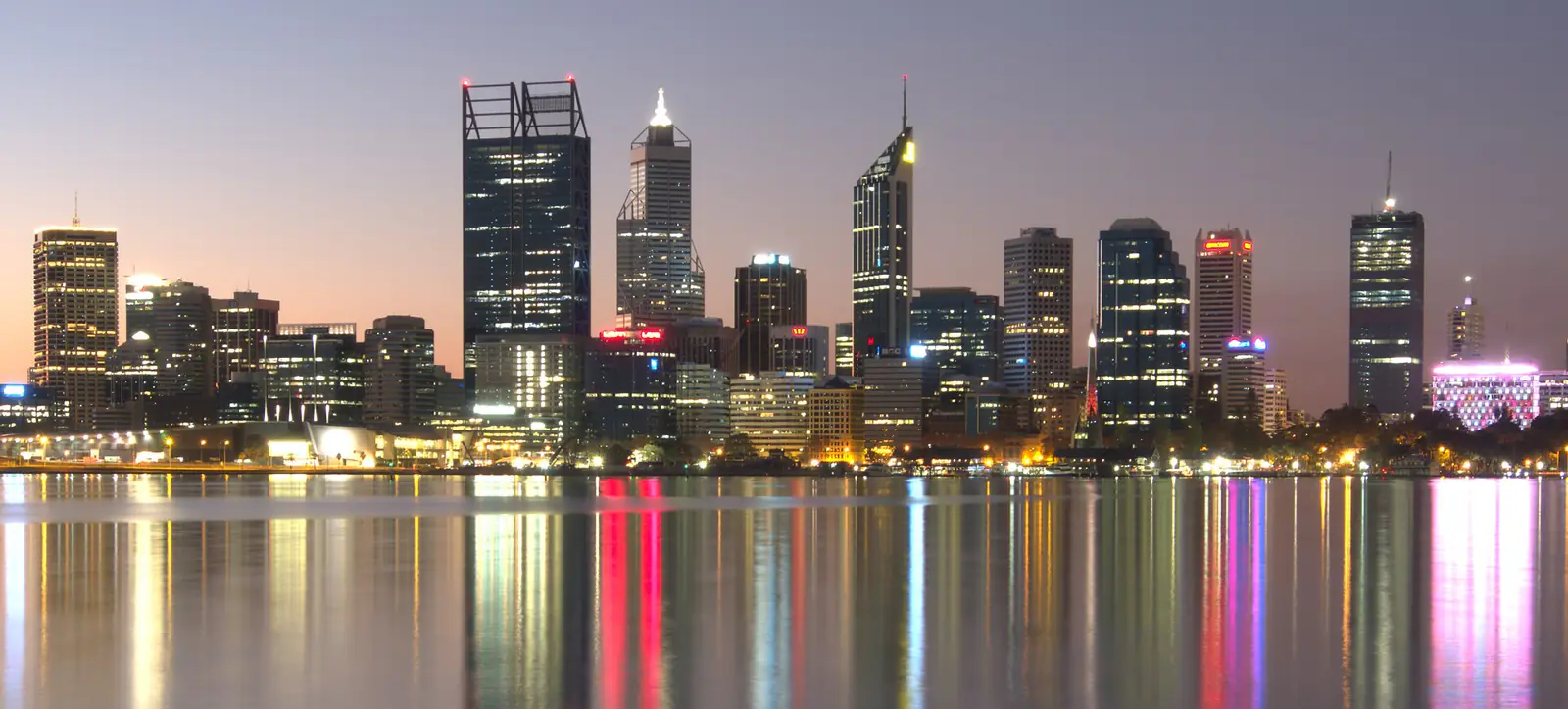
Western Australia Police say a five-month trial of real-time facial recognition scanned 1,380,882 faces across 100 deployments, producing 122 arrests and nine incorrect alerts. The trial ended on Saturday, and the police commissioner discussed the results at a media conference on Sunday, according to The Guardian’s report. Civil liberties groups dispute how the force calculated its error rate, and the vans carrying the cameras have been withdrawn from public use while police evaluate how the technology performed.
What the trial found
The figures released by police, as reported by The Guardian:
- Scale: 1,380,882 faces scanned at 43 regional and metropolitan locations, over 100 deployments.
- Outcomes: 122 arrests, 146 engagements with registered sex offenders and 10 welfare checks on people located through alerts.
- Errors: nine incorrect alerts, which police put at an error rate of 0.00065% of scans.
- Biggest single event: three operations at the Perth Royal Show scanned 223,749 faces, generating 15 alerts, three arrests and seven interactions with registered sex offenders.
Police said the cameras were mounted on or near marked vehicles and compared faces in public areas against an alert list drawn from police databases. Images of people not on the list were, according to police, pixelated in real time and deleted immediately without being stored.
The dispute over the error rate
The 0.00065% figure is simple arithmetic: nine incorrect alerts divided by roughly 1.38 million scans. WA Police Commissioner Col Blanch called it “a very, very, very low number” and said “it’s not zero,” adding that no one wrongly flagged was arrested or complained, and that each person was asked relevant questions.
Civil Liberties Australia says that framing flatters the technology. Its chief executive, Bill Rowlings, told The Guardian that police were “severely gilding the lily” and that the true error rate will only be known when the 122 people arrested have their day in court. He argued that if half of them are not convicted, the incorrect rate would be 50%. He also noted the scans took place “with no reasonable suspicion whatsoever.”
Two ways to measure the same trial
The disagreement is partly about the denominator. Here is how the numbers look from each side, using only the published figures:
- Per scan. Almost everyone scanned is not on the alert list, so a system can be wrong very rarely per face and still look excellent on this measure. Nine wrong alerts out of 1.38 million scans is tiny.
- Per alert. What matters to a person who is stopped is how often an alert is wrong. The Guardian’s report does not give the total number of alerts for the whole trial, so we cannot compute this. At the Royal Show, there were 15 alerts and three arrests, which shows that not every alert ends in an arrest, though the report does not say how many of the rest were correct matches.
- Per outcome. Convictions, as Civil Liberties Australia suggests, would measure whether arrests were justified, but that data will not exist until cases conclude.
None of these measures is wrong; they answer different questions. A fair public evaluation would publish all three, along with results broken down by demographic group.
Bias and oversight questions
The Guardian notes the trial drew backlash over privacy and algorithmic bias. Experts quoted say the technology could disproportionately affect marginalized groups who are already overrepresented on police watchlists, and that facial recognition algorithms have historically had higher false-match rates for people with darker skin tones. The state’s independent privacy regulator, the Office of the Information Commissioner WA, said when the trial was announced that it was not involved in running it and warned of “collective privacy harms.”
For background on how the technology works and where it is regulated, see our explainers on AI surveillance and facial recognition, algorithmic bias and the EU AI Act, which restricts real-time remote biometric identification in public spaces by law enforcement.
What to watch next
- The police force’s internal evaluation, including whether it reviews “the safeguards and whether all requirements were met.”
- Whether results are published with alert totals and a breakdown by demographic group.
- Court outcomes for the 122 arrests, which will test the claimed accuracy.
- Whether the Western Australian government moves from a trial to a permanent deployment or legislation.
- The position of the state’s privacy regulator on any extension.
Key takeaways
- WA Police scanned 1,380,882 faces over five months and reported 122 arrests and nine incorrect alerts.
- Police put the error rate at 0.00065% of scans; critics say it should be judged by convictions.
- Per-scan error rates look tiny because most people scanned are not on the list; per-alert accuracy is the number to ask for.
- The vans are off the streets while police evaluate the trial.
- Privacy and bias concerns remain central, and the privacy regulator was not involved in the trial.
Frequently asked questions
How many people were scanned in the Western Australia trial?
Police said 1,380,882 faces were scanned over 100 deployments at 43 locations in five months, including 223,749 at the Perth Royal Show.
How accurate was the facial recognition system?
Police reported nine incorrect alerts, or 0.00065% of scans. Critics say a fairer measure would be how many arrests lead to convictions, which is not yet known.
What happens to the faces of people who are not on the alert list?
According to police, those images were pixelated in real time and deleted immediately without being stored.