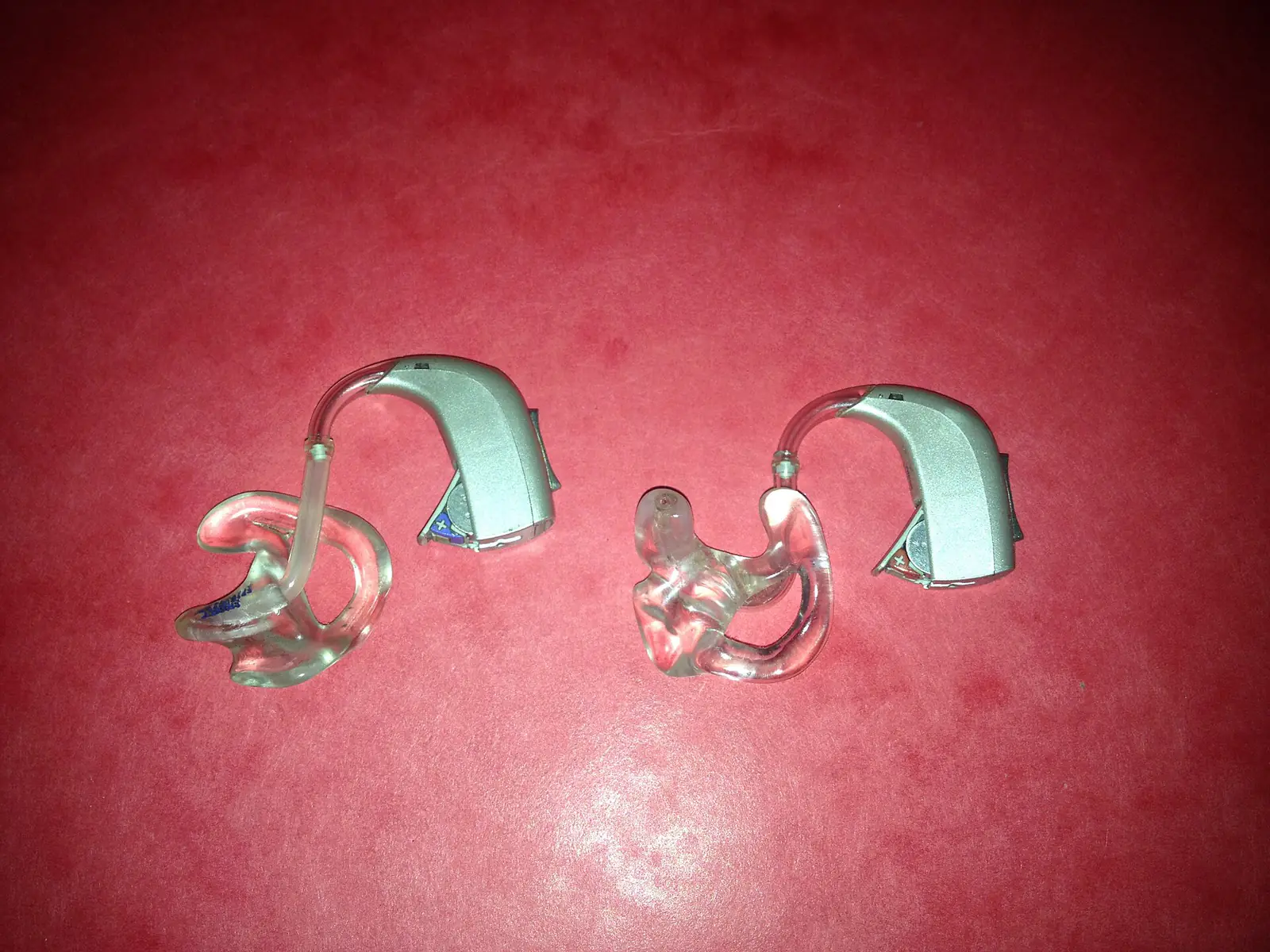
AI hearing aids are hearing aids that run a small neural network on a chip inside the device to tell speech apart from background noise and adjust the sound in real time. The idea reached the market in late 2020 with Oticon More, and in August 2024 Sonova’s Phonak Audéo Sphere Infinio added a dedicated AI chip for speech in noise. A month later the US Food and Drug Administration authorized Apple’s hearing aid feature for AirPods Pro, the first over-the-counter hearing aid software. Together they make hearing aids one of the most widely used kinds of AI device that most people never think of as AI. This explainer covers how the technology works, what is proven and what to check before buying.
Why noise is the hard problem
Most people with mild to moderate hearing loss can follow a conversation in a quiet room with simple amplification. The difficulty is noise: a restaurant, a family dinner, a busy street. Turning everything up makes the noise louder too.
Traditional hearing aids attack this with directional microphones, which favor sound from in front of the wearer, and with rule-based noise reduction that lowers steady sounds such as a fan. Both help, but they struggle when the noise is other people talking, and directional focus fails when the person you want to hear is beside or behind you.
How a neural network helps
A neural network can be trained on millions of examples of mixed sound to learn what speech looks like in an audio signal and how to separate it from everything else. Running that inside a hearing aid is hard because the device must process sound with almost no delay, so speech stays in sync with lip movements, and it must run all day on a tiny battery.
The two best-known approaches differ in how far they go:
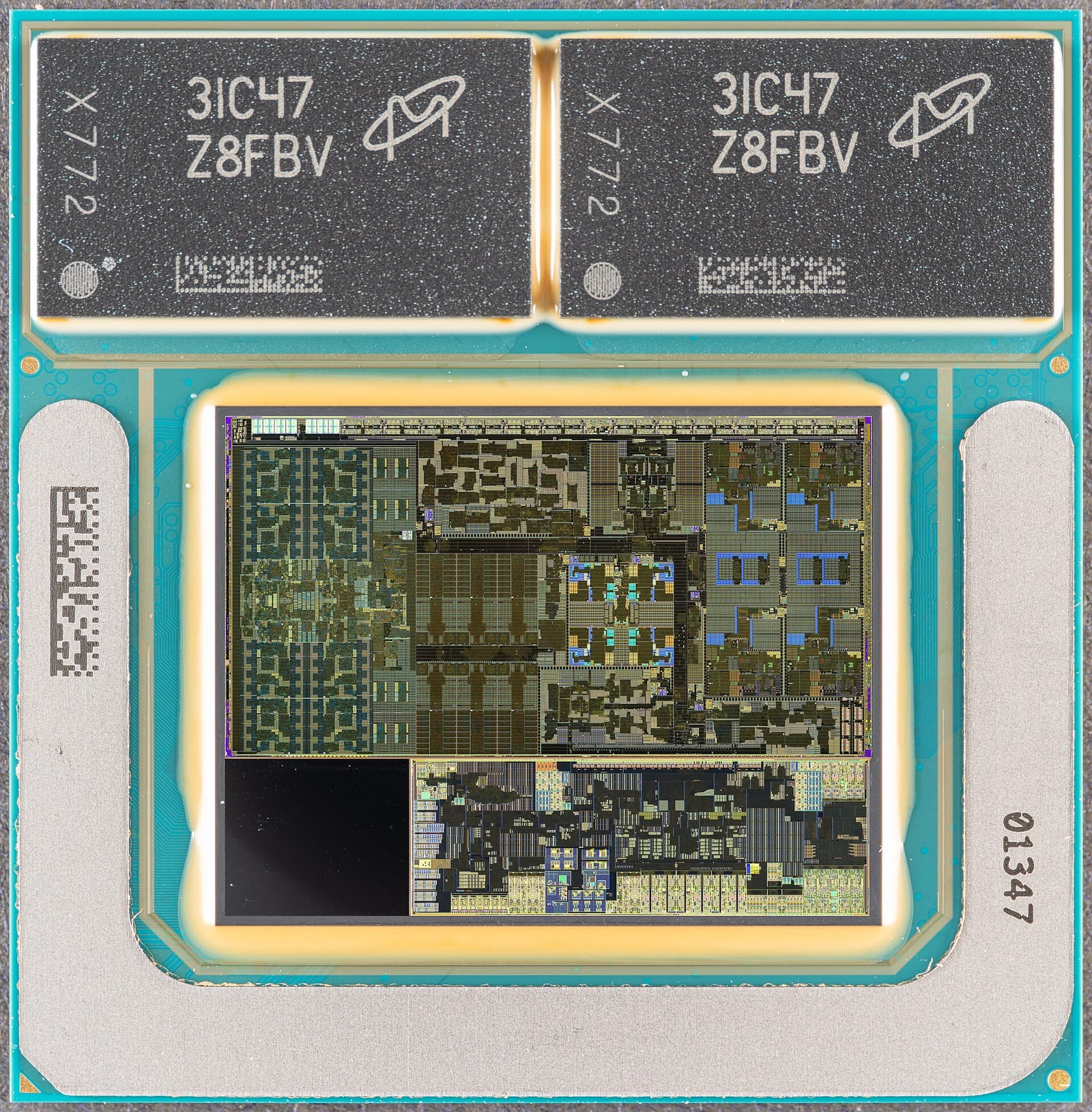
- Scene analysis. Oticon More, launched in November 2020, used a deep neural network trained on 12 million real-life sound scenes recorded outside the lab. According to Oticon’s materials, the network helps the device balance and clarify the whole sound scene rather than only boosting sound from the front. It runs on Oticon’s Polaris chip, which the company said had eight times the memory and twice the processing power of the previous generation.
- Real-time speech separation. Phonak’s Audéo Sphere Infinio, launched on August 6, 2024, pairs Sonova’s ERA chip with a second chip called DEEPSONIC, built to run a deep neural network that separates speech from noise. Sonova says the system can perform 7,700 million operations per second and delivers a 10 dB improvement in signal-to-noise ratio. Tech coverage reported that the network was trained on 22 million sound samples. Sonova also claims wearers are two to three times more likely to understand speech from any direction than with the two leading competitors. These are company figures, not independent trial results.
The trade-off is power. A neural network running continuously draws more current than ordinary sound processing, and a hearing aid battery is tiny, so battery life with the AI features active is one of the most important numbers to check.
AirPods Pro as a hearing aid
Apple took a different route: software on a consumer earbud. On September 12, 2024, the FDA authorized Apple’s Hearing Aid Feature for compatible AirPods Pro as the first over-the-counter hearing aid software device. It is meant for adults 18 and older with perceived mild to moderate hearing loss.
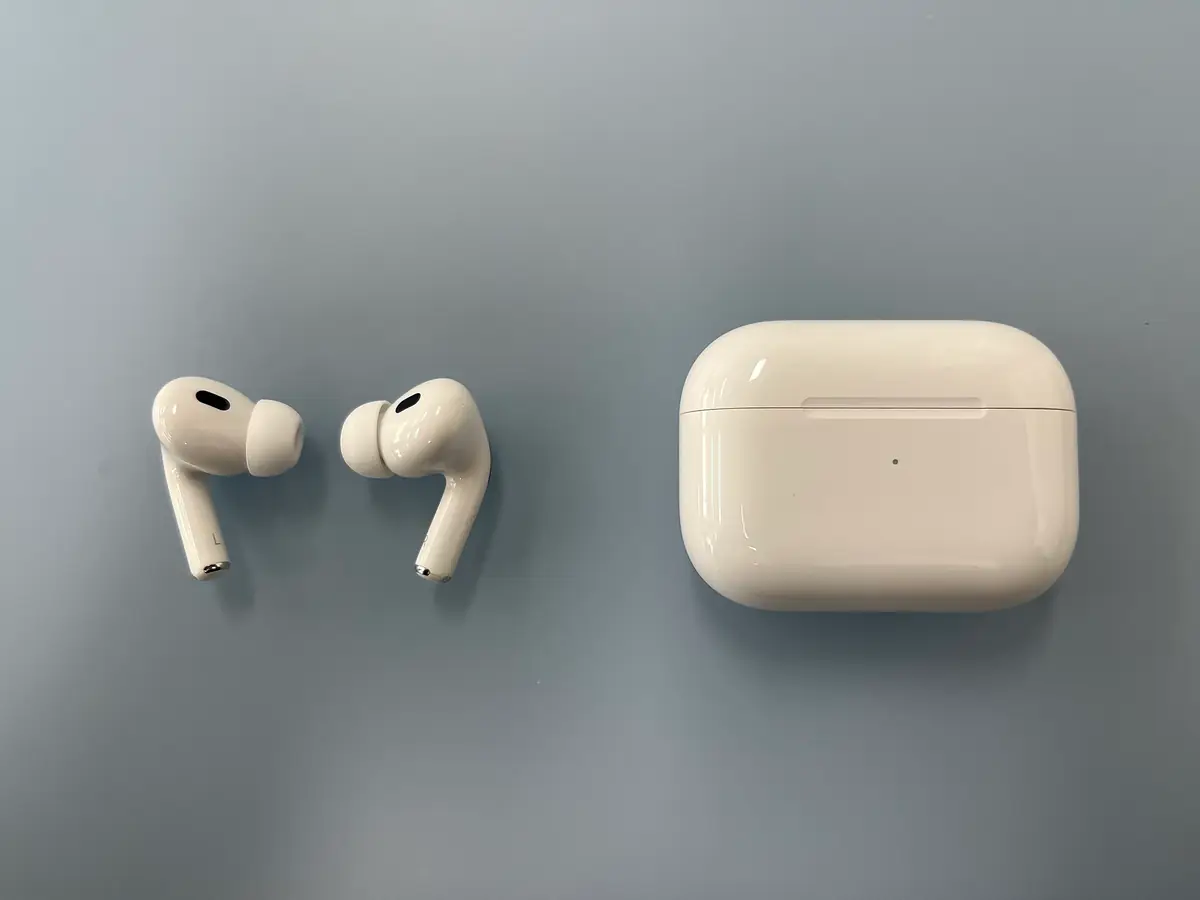
The feature is self-fitted. The user takes a hearing test on an iPhone or iPad, the results are stored in Apple’s Health data, and the earbuds are tuned to them. Users can then adjust volume, tone and balance. In the clinical study the FDA reviewed, 118 people with perceived mild to moderate hearing loss took part at several US sites. Those who used the self-fitting method reported similar benefit to those who had the same device fitted by a professional, and results were comparable on amplification and speech-in-noise tests. No adverse events related to the device were observed.
This builds on the FDA’s October 2022 rule that created the over-the-counter hearing aid category, letting adults with perceived mild to moderate hearing loss buy hearing aids in stores or online without a medical exam, prescription or audiologist visit.
How the options compare
| Option | Where the processing happens | Who it suits | Fitting |
|---|---|---|---|
| Prescription AI hearing aid (e.g. Phonak Sphere, Oticon) | Dedicated chips in the hearing aid | Mild to severe loss, people who wear aids all day | Audiologist fitting and follow-up |
| Over-the-counter hearing aid | Hearing aid processor, sometimes with AI noise features | Adults with perceived mild to moderate loss | Self-fitting, often app-based |
| AirPods Pro with Hearing Aid Feature | Earbud processor plus iPhone setup | Adults with perceived mild to moderate loss who use Apple devices | Self-fitting with an iPhone hearing test |
The comparison shows the main choice is less about “AI or not” than about the level of hearing loss and how much professional support someone needs. Severe loss still calls for prescription devices and an audiologist.
What it means for people with hearing loss
The FDA notes that more than 30 million American adults report some degree of hearing loss, and that hearing aid use has been linked to lower rates or severity of cognitive decline, depression and other problems in older adults. Cost and stigma have long kept many people from getting help. Over-the-counter devices and earbud-based options lower both barriers, while on-device AI targets the most common complaint about traditional aids: they do not work well in noise.
The caution is that many performance claims for AI noise reduction come from manufacturers. Independent studies comparing AI and non-AI modes in real restaurants and meetings are still limited, and the benefit varies a lot between people. Our explainer on on-device AI covers why running models locally matters for both speed and privacy, and our guide to AI and accessibility looks at other assistive uses.
What to check before buying
- Your level of loss. Over-the-counter options and AirPods Pro are only for perceived mild to moderate loss. If you are unsure, a hearing test is worth it.
- Battery life with AI features on. Ask how long the device lasts with its noise mode active, not just in quiet use.
- Return period and trial. Hearing benefit is personal; a generous trial matters more than a spec sheet.
- Support. Prescription aids include fitting and adjustment visits; self-fitted devices rely on apps.
What to watch next
- Independent studies of AI speech-in-noise features in everyday settings.
- More consumer earbuds seeking FDA authorization for hearing aid modes.
- Battery and chip improvements that let neural noise reduction run all day.
- Pricing pressure on prescription devices as over-the-counter options improve.
Key takeaways
- AI hearing aids run neural networks on chips inside the device to separate speech from noise.
- Oticon More (2020) used a network trained on 12 million sound scenes; Phonak’s Audéo Sphere Infinio (2024) added a dedicated DEEPSONIC chip.
- The FDA authorized Apple’s AirPods Pro Hearing Aid Feature as the first over-the-counter hearing aid software in September 2024.
- Over-the-counter and earbud options are only for perceived mild to moderate hearing loss.
- Most AI performance claims come from manufacturers, so trials and return policies matter.
Frequently asked questions
What is an AI hearing aid?
An AI hearing aid uses a neural network, trained on large collections of recorded sound, to recognize speech and noise and adjust the sound in real time. Some models run the network on a dedicated chip inside the device.
Can AirPods Pro be used as a hearing aid?
Yes, for some people. The FDA authorized Apple’s Hearing Aid Feature for compatible AirPods Pro in 2024 as over-the-counter hearing aid software for adults with perceived mild to moderate hearing loss. It is set up with a hearing test on an iPhone or iPad.
Do AI hearing aids work better in noisy places?
Manufacturers report gains, such as Sonova’s claim of a 10 dB improvement in signal-to-noise ratio for its Sphere model, but most figures come from the companies themselves. Results vary by person, so a trial period is the best test.