The promise of a robotaxi is simple: take out the driver, the largest cost in a ride-hail trip, and the price falls. In practice, driverless services have expanded city by city and slowly, even where the technology works. The reason is that a driver is only one line in a larger set of costs and constraints. This explainer lays out those lines so you can read expansion announcements critically. It describes structural factors; it does not make claims about any one company’s finances.
The driver was never the whole cost
A ride-hail fare pays for more than the person behind the wheel. It covers the vehicle, fuel or charging, insurance, maintenance, cleaning, the dispatch platform, customer support, and the time the vehicle spends empty. Removing the driver eliminates the wage but adds costs that did not exist before.
Vehicle and sensors
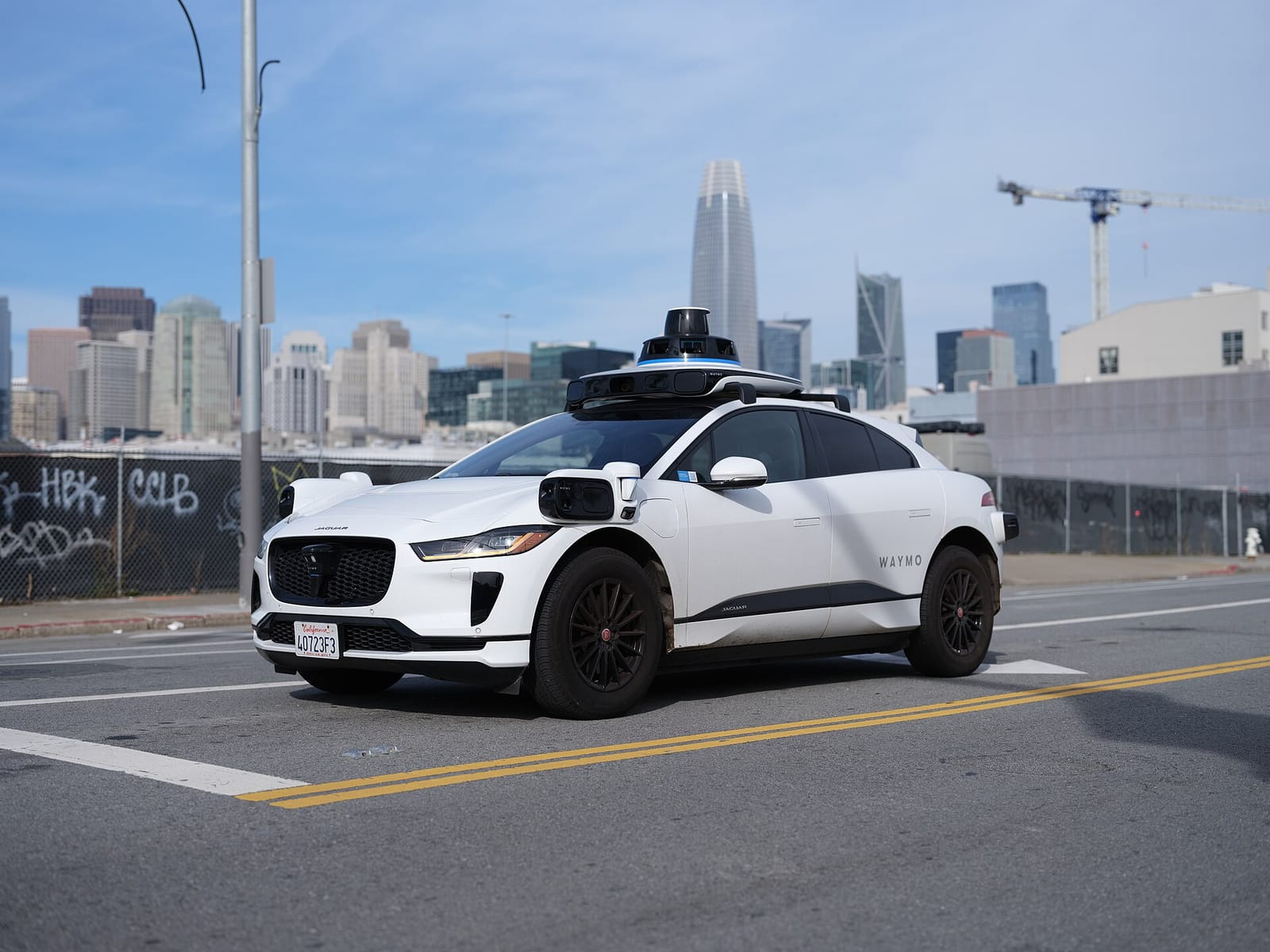
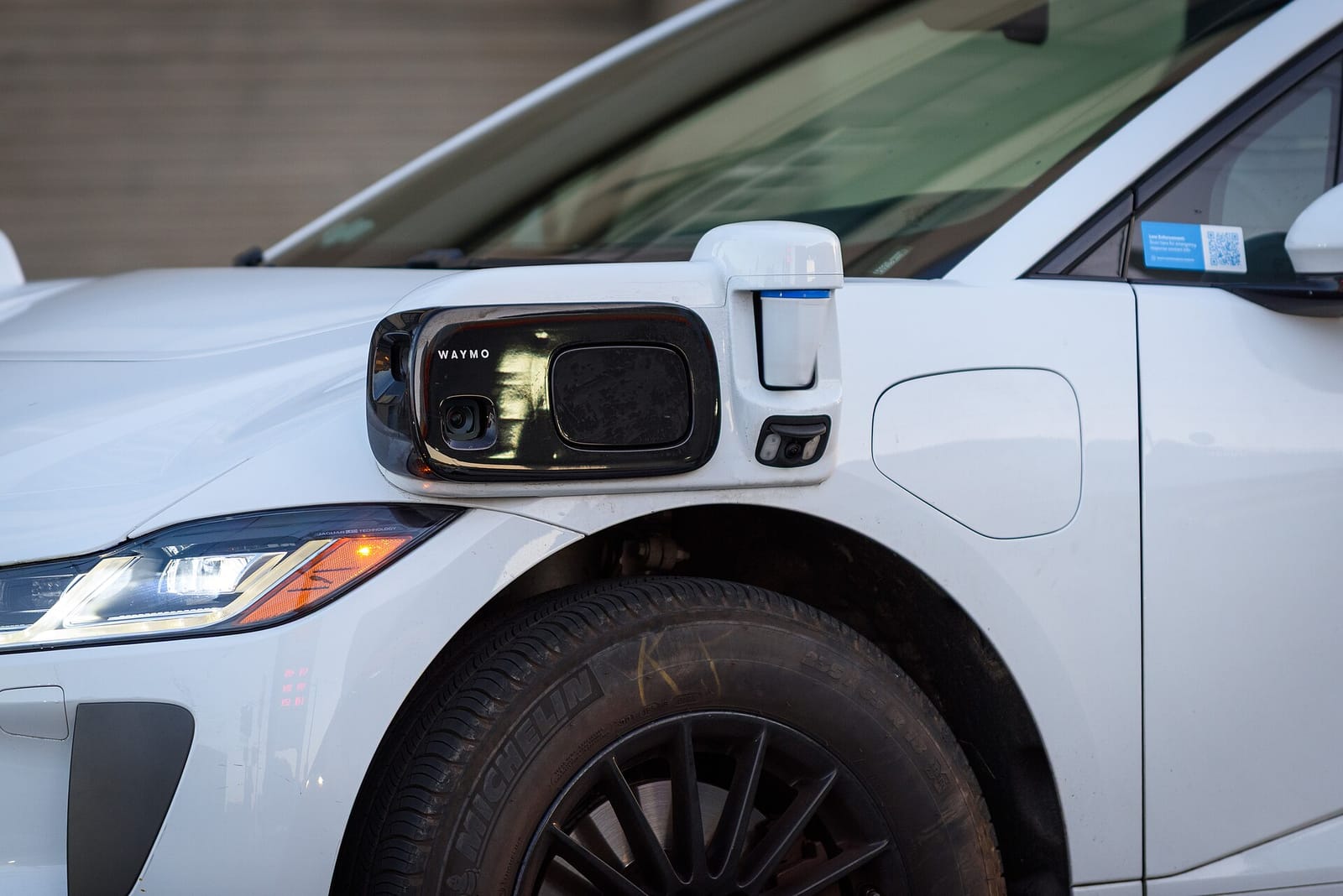
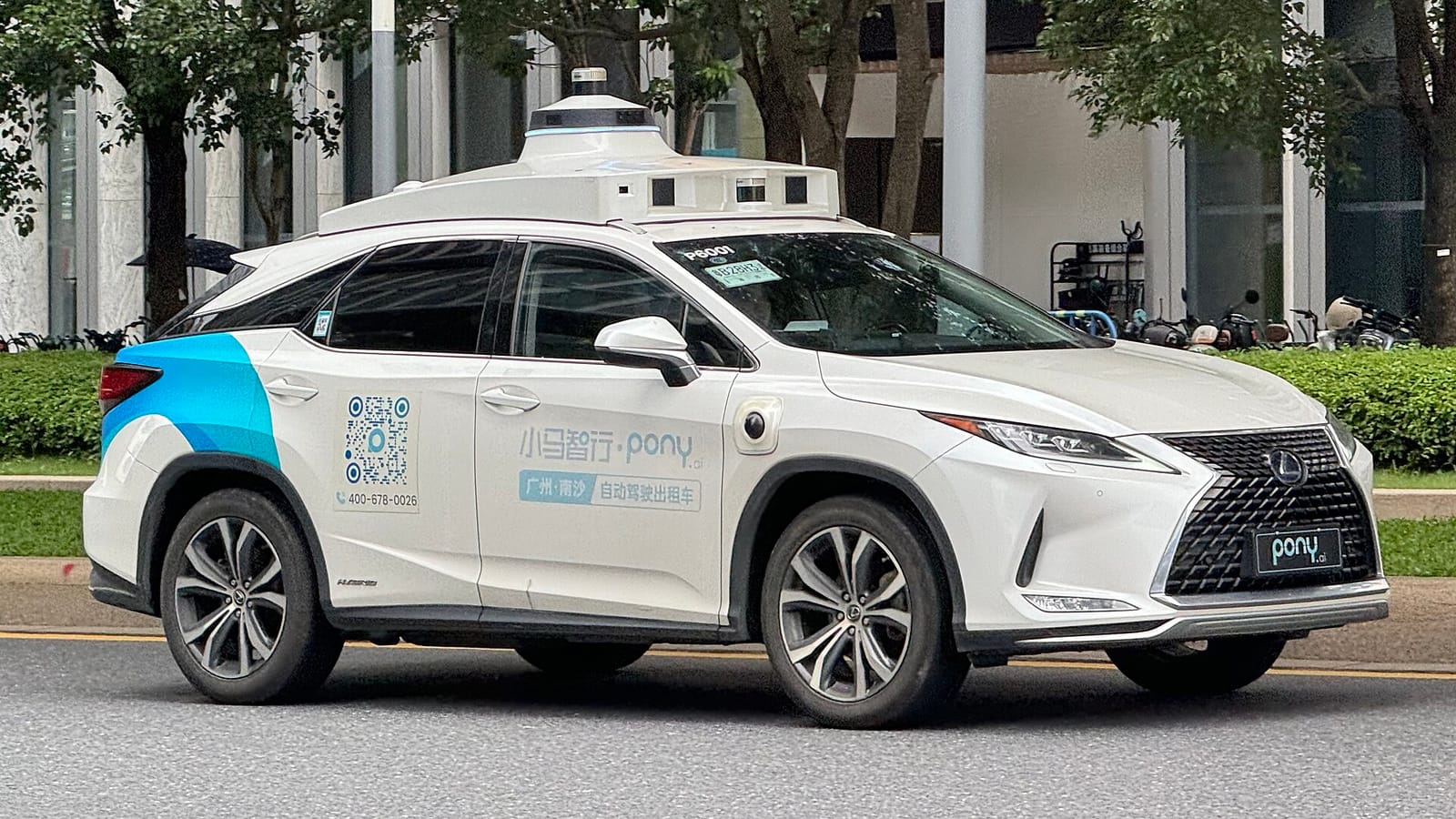
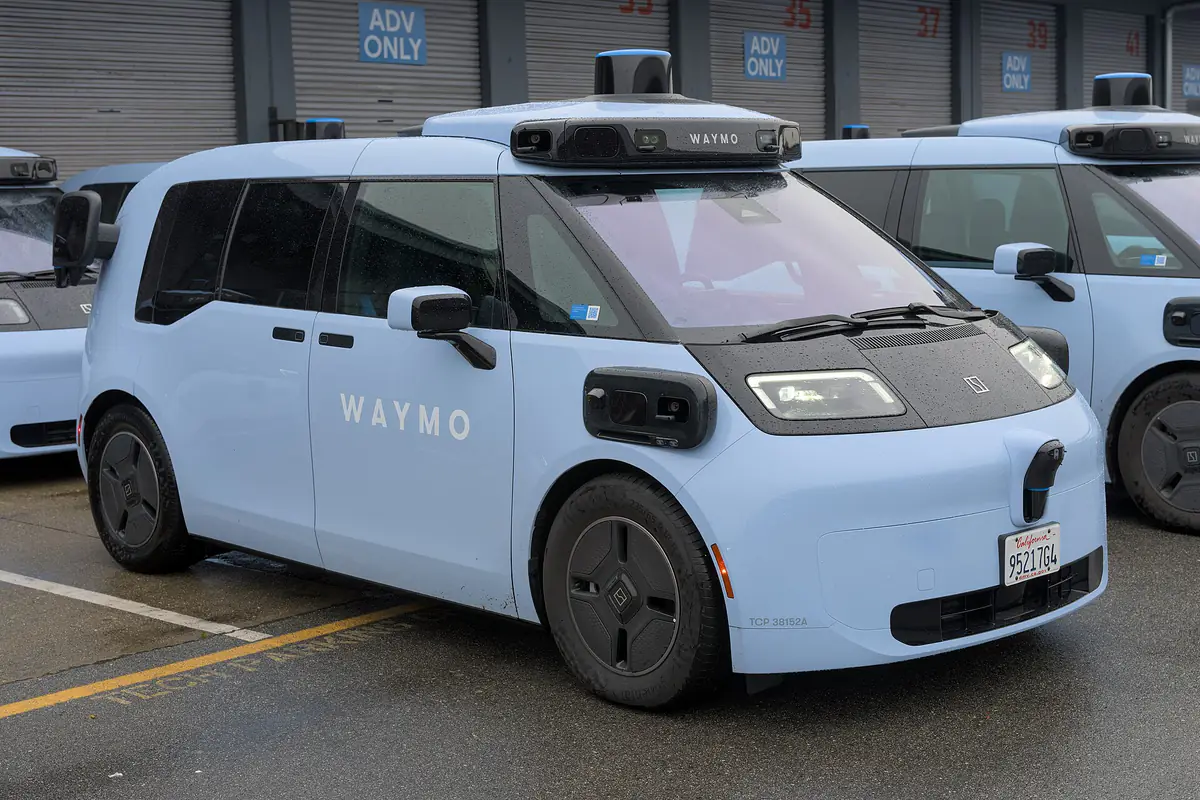
An autonomous vehicle carries computers, cameras, radar and often lidar, plus redundant systems for braking, steering and power so it can stop safely if something fails. Our article on how self-driving cars see explains the sensor suite. These parts raise the price of each vehicle, and early fleets are built in small numbers, so unit costs stay high until volumes grow.
Remote support
Fully driverless services still rely on people. Remote operators can advise a vehicle that is unsure how to proceed, such as around a blocked lane or unusual construction. Fleet staff also handle roadside incidents, charging, cleaning and inspection. The ratio of staff to vehicles is a crucial number, and it is rarely disclosed. A service needing one person for every few cars has very different economics from one needing one person for dozens.
The operating design domain
Every system works within an operational design domain: the roads, weather, speeds and conditions it is designed to handle. Terminology for automation levels is defined by SAE and summarized in our SAE levels explainer. Robotaxis typically operate at the highest level, but only inside a defined area.
- Geography: high-definition maps and local testing mean each new city takes work, not a software toggle.
- Weather: heavy rain, snow or fog can limit service.
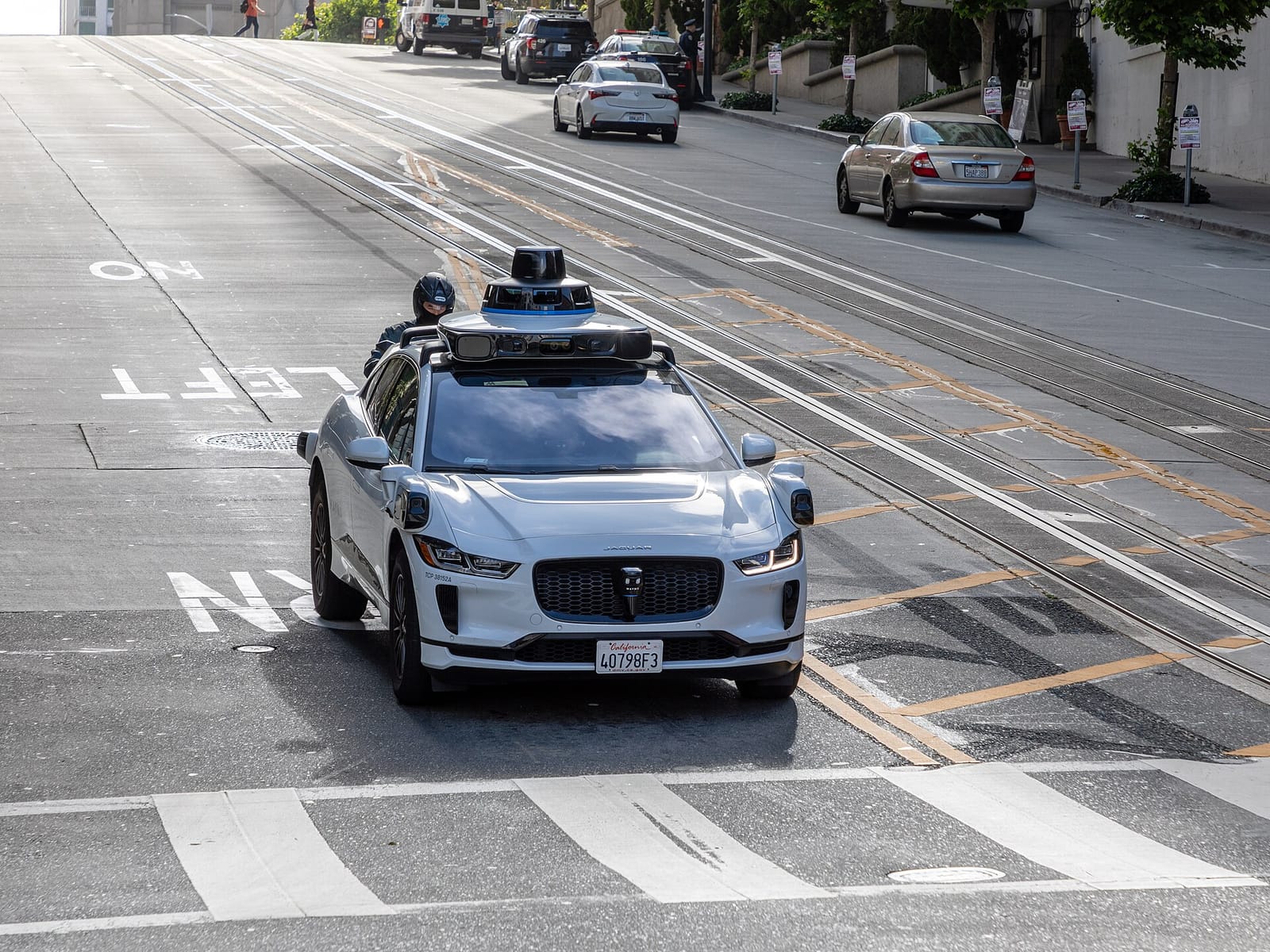
- Road features: unprotected turns, double-parked vehicles and unusual signage create edge cases.
This is why announcements usually say “launching in” a neighborhood or a city rather than a country, and why expansion is incremental.
Utilization decides everything
A vehicle earns money only while carrying a passenger. The key variables are:
- Paid miles versus total miles. Time spent driving to pick-ups, repositioning and returning to depots earns nothing.
- Demand matching. Rush hours and nights differ; idle cars are fixed costs.
- Charging and cleaning time. Electric fleets need chargers and depot space.
- Service area size. Small zones limit demand; large zones increase mapping and support work.
A fleet with high utilization spreads its fixed costs over many rides. A fleet with low utilization cannot match a human driver on price no matter how capable the software is.
Safety, regulation and insurance
Regulators set the conditions for testing and deployment. In the United States, federal agencies such as NHTSA oversee vehicle safety, while states like California run permit programs for testing and driverless deployment, with reporting duties for incidents and disengagements. Rules vary widely across jurisdictions, so each market means new permits and sometimes new legal questions about liability.
Insurance and liability add costs while the claims history of driverless fleets is still short. Public trust is another factor: a single serious incident can pause service in a city.
Reading expansion claims
When a company announces growth, ask these questions:
- Is the service fully driverless, or is there a safety operator on board?
- How many paid rides per week, and what area is covered?
- Is the service open to everyone, or only to waitlisted or invited users?
- What are the hours and weather limits?
- What is the remote-support ratio?
- Are numbers audited or self-reported?
Cities, not countries, are the unit of progress. Treat claims about “millions of miles” carefully: miles driven with a safety operator are different from miles with no one aboard.
What to watch next
- Disclosures of remote-support ratios and per-ride costs.
- Regulators’ permit decisions for new cities and freeway operation.
- Falling sensor and computer costs from higher production volumes.
- Partnerships between robotaxi developers and ride-hail or rental platforms.
- Public incident reports and how companies respond.
Key takeaways
- The driver is one cost among many; sensors, remote support, insurance and fleet operations remain.
- Utilization, meaning paid miles as a share of total miles, drives profitability.
- Systems work in defined areas and conditions, so expansion is city by city.
- Regulation and public trust shape how fast service can grow.
- Ask whether a service is fully driverless, open to all, and independently verified.
Frequently asked questions
Are robotaxis cheaper than normal ride-hailing?
It varies. Pricing depends on how companies subsidize early service, vehicle costs and utilization, and data is limited, so there is no universal answer.
Do driverless cars have anyone watching them?
Often yes. Remote operators may advise vehicles in unusual situations, and ground crews handle charging, cleaning and incidents.
Why can’t a robotaxi just launch in every city at once?
Each city requires mapping, local testing, permits and operational staff, and its roads and weather create new edge cases.