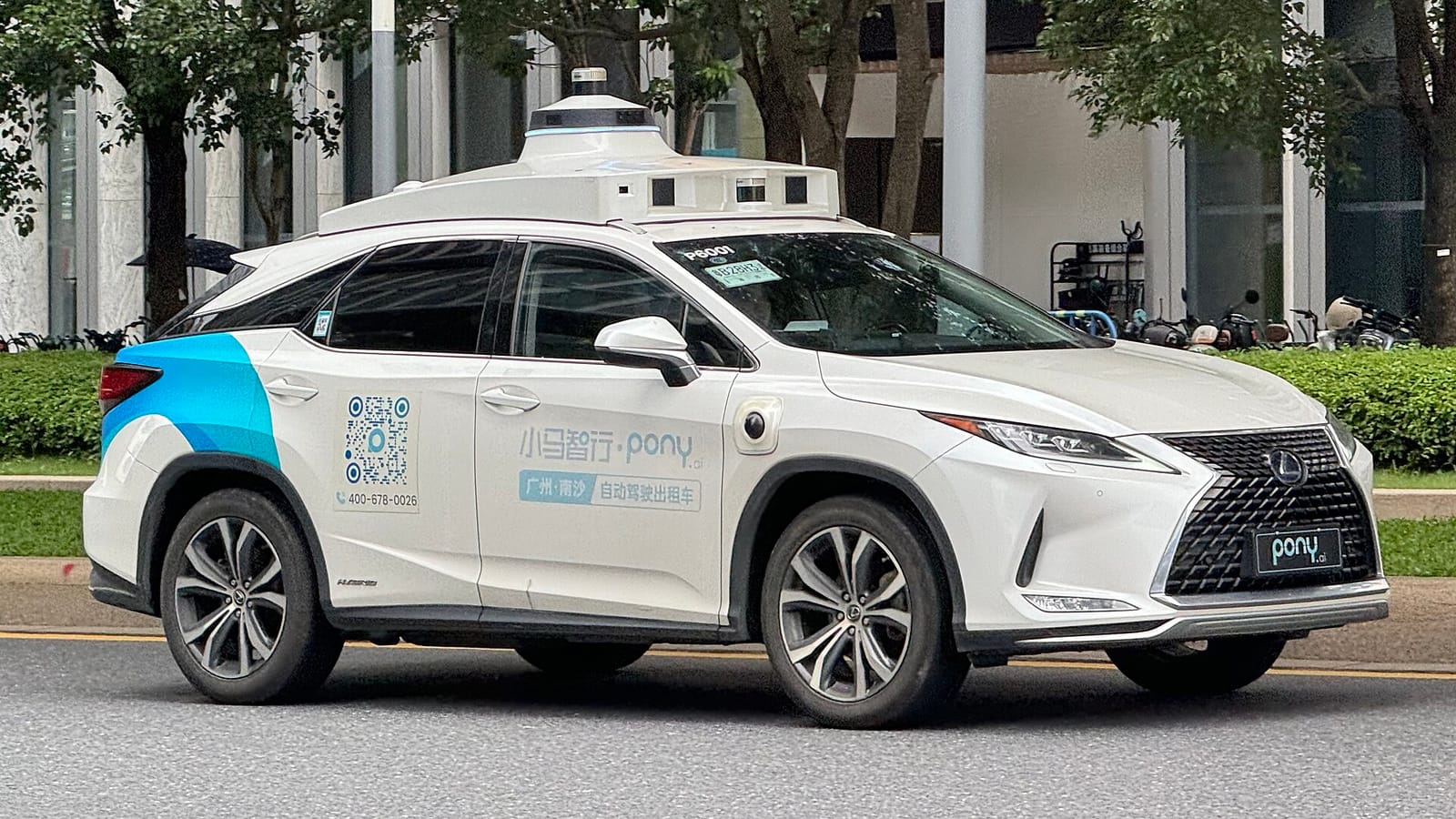
Ride-hailing company inDrive, Chinese autonomous driving firm Pony.ai and Nvidia have signed a memorandum of understanding to explore bringing robotaxis to inDrive’s platform, with testing planned in Astana, Kazakhstan, in the first half of 2027. TechCrunch reported the news on Friday, October 23 (Thursday evening in US time zones), citing inDrive CTO Yuri Misnik. The tests will begin with a safety operator in the vehicle, with fully driverless rides as the eventual goal. The memorandum is an agreement to explore, not a commitment to launch, and it adds Central Asia to the list of regions where robotaxi plans are taking shape.
Who does what
Under the proposed plan, Pony.ai would provide its Gen-7 robotaxis, which inDrive would offer through its ride-hailing app and operate in Kazakhstan. Nvidia would supply the AI technology, including its Hyperion platform and Halos safety system. According to TechCrunch, Nvidia says Hyperion could lower the cost of developing robotaxis by giving companies a ready-made foundation of sensors and computing hardware rather than requiring them to build and integrate everything themselves. Nvidia also offers its Alpamayo model and tools for generating synthetic data and testing driving systems across different scenarios.
The announcement coincides with Nvidia CEO Jensen Huang’s first visit to Kazakhstan on Friday.
inDrive, known for letting passengers and drivers negotiate fares, operates in more than 1,200 cities across 47 countries and has expanded into delivery, intercity transport and financial services. Misnik described the approach as “capital-light by design”: partner with specialists in different markets and combine their expertise with inDrive’s own.
Why Astana
Astana has about 1.7 million people and months of snow and ice every winter. For autonomous driving, that is a hard test: snow can hide lane markings, ice changes braking distances and sensors can be obscured. inDrive’s founder and CEO Arsen Tomsky said launching there “will provide an important opportunity to evaluate autonomous driving technology in challenging winter conditions,” and that success could inform expansion to other places with similar conditions.

There is also a policy tailwind. Last month, Kazakhstan announced plans to launch autonomous taxi services in 2027, with initial trials planned in Astana and two other cities, and it has introduced rules allowing autonomous vehicles to be tested on certain public roads. Misnik named a favorable and collaborative regulatory environment as one of the main requirements for a successful launch.
The competitive picture
TechCrunch places the deal in a wider race among ride-hailing platforms. Earlier this month Uber announced plans to test Pony.ai’s robotaxis in London, where it has also started supervised autonomous rides with British startup Wayve. Uber is working with several robotaxi companies in other markets, including the Middle East. Pony.ai is pushing outside China too: it aims to have more than 3,500 robotaxis operating in over 20 cities worldwide by the end of 2026, up from a fleet of 1,975 vehicles at the end of June, according to the report.
inDrive’s own track record in robotaxis is still early. In December it signed a separate agreement with Saudi Arabia’s AI Driver to explore deploying autonomous vehicles powered by Chinese self-driving company WeRide, starting in Riyadh. The companies had targeted a pilot in the first half of 2026, although TechCrunch says it remains unclear whether testing has begun. That history is a reminder to read memoranda as intentions.
Cost as the central question
Ali Kani, Nvidia’s vice president of automotive, told TechCrunch that cost savings from a ready-made platform are especially relevant in emerging markets, where ride-hailing is already relatively affordable and autonomous services must compete on price. That is the crux for inDrive, whose business is built on cheap rides. A robotaxi has to cover its hardware, remote support, insurance and maintenance with fares set against human drivers who accept low earnings. For a deeper look at why that math is hard, see our explainer on the economics of scaling robotaxis and our primer on the SAE levels of driving automation.
What to watch next
- Whether inDrive converts the memorandum into a binding agreement and confirms a start date in Astana.
- The first-half 2027 test: fleet size, geofenced area and whether a safety operator stays on board.
- Kazakhstan’s rules for driverless operation and any permits issued.
- Results from inDrive’s separate WeRide agreement in Riyadh.
- Pony.ai’s progress toward its target of more than 3,500 vehicles by the end of 2026.
Key takeaways
- inDrive, Pony.ai and Nvidia signed a memorandum to explore robotaxis; Astana tests are planned for the first half of 2027.
- Pony.ai would supply Gen-7 vehicles; Nvidia would provide Hyperion and Halos safety technology.
- Tests start with a safety operator; fully driverless service is the long-term goal.
- Kazakhstan has announced plans for autonomous taxi services in 2027 and has rules for road testing.
- Cost is the key hurdle in markets where ride-hailing is already cheap.
Frequently asked questions
Is this a confirmed launch?
No. It is a memorandum of understanding to explore the idea. The companies plan testing in Astana in the first half of 2027.
Will there be a driver in the car?
Initially a safety operator will be on board. The eventual goal is fully driverless rides.
Why test in Kazakhstan?
Astana’s harsh winters make it a demanding test for sensors and driving software, and the country has announced plans and rules for autonomous taxi trials.