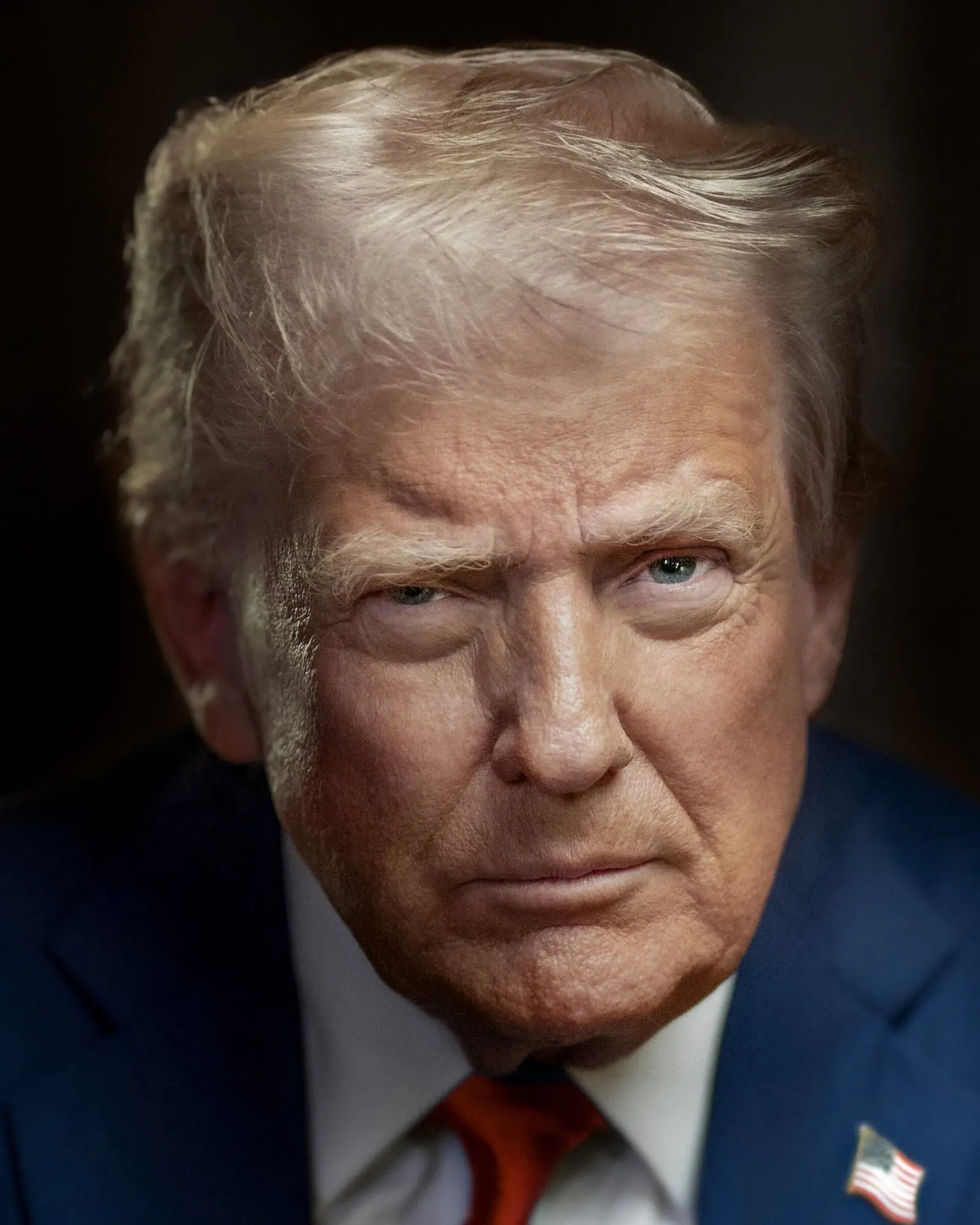
President Donald Trump said on Friday, November 20, that he will not allow American companies to build AI data centers outside the United States and threatened a “tremendous tax” on firms that do. He made the remarks at a White House press conference after returning from his summit with China’s Xi Jinping and Russia’s Vladimir Putin, and said he was floating the idea before discussing it with his own staff. No executive order, draft rule or legal mechanism has been published, so for now the threat is a statement of intent rather than a policy.
What Trump said
According to The Verge’s transcript, Trump told reporters: “We’re not going to allow our companies to build data centers outside of our country.” He argued that letting companies build abroad would repeat what he called the mistake made with chip manufacturing, and said that “China will take them all” if US firms build overseas. He also acknowledged the idea was new to his team: “I haven’t even said that to my people. But I’m telling them now.”
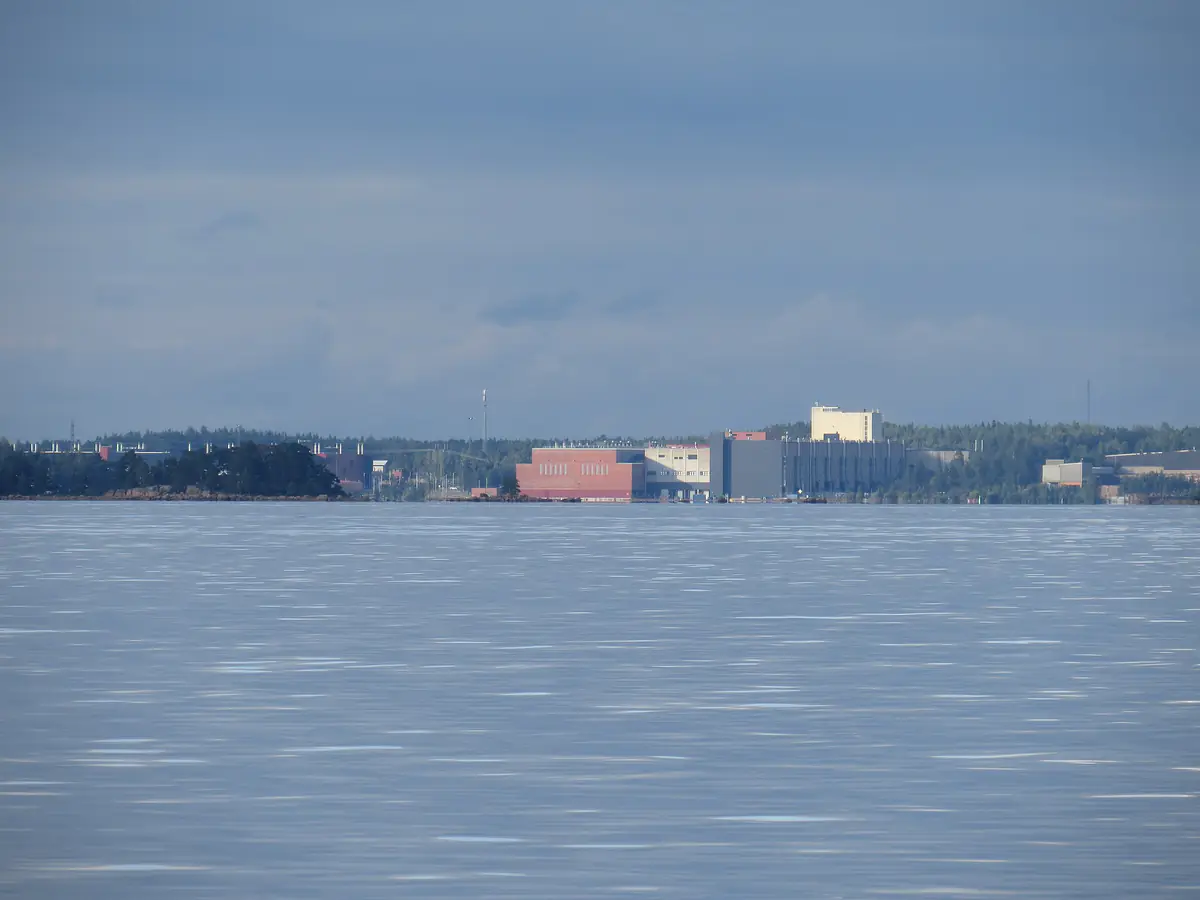
The BBC reports that Trump singled out Google’s planned build-out in Finland, saying his administration was “not allowing that to happen.” Google announced in September a €13 billion investment in Finnish AI infrastructure that includes three data centers; the BBC says construction of two of them was halted last month over concerns about forest clearance.
In the same remarks, Trump urged communities that are resisting data centers at home to use them instead: “Make them pay you, make them pay your community, but take advantage. Don’t shut them off.”
Which projects could be affected
Several large US AI projects already sit outside the country. The BBC lists three examples:
- Meta has broken ground on its first Canadian data center, in Alberta, as the company announced in July.
- Anthropic has signed a long-term agreement to lease a proposed data center in Nova Scotia.
- Google is building in Finland as part of its €13 billion commitment.
Microsoft, Amazon and Oracle also operate cloud regions across Europe, Asia and the Middle East, many of them now hosting AI accelerators. Trump did not say whether a tax would apply only to new AI-specific facilities, to expansions of existing cloud regions, or to leases from third-party operators, and that distinction would decide how many projects are exposed.
How it fits with this week’s chip rules
The threat lands days after the Commerce Department’s new licensing rule for advanced chips, which we covered in our report on the US rule targeting remote access to AI chips via overseas data centers. That rule tries to control who can use US chips abroad, particularly in Southeast Asian facilities where Chinese companies rent computing power. Trump’s remarks go further: rather than policing who uses foreign data centers, they would discourage US companies from building them at all.
The two approaches pull in different directions. Licensing assumes US firms keep building abroad under supervision; a punitive tax assumes they should not build abroad. Companies planning 2027 capacity now face both a compliance regime and a possible cost penalty, with no guidance on how they interact.
Why companies have been looking abroad
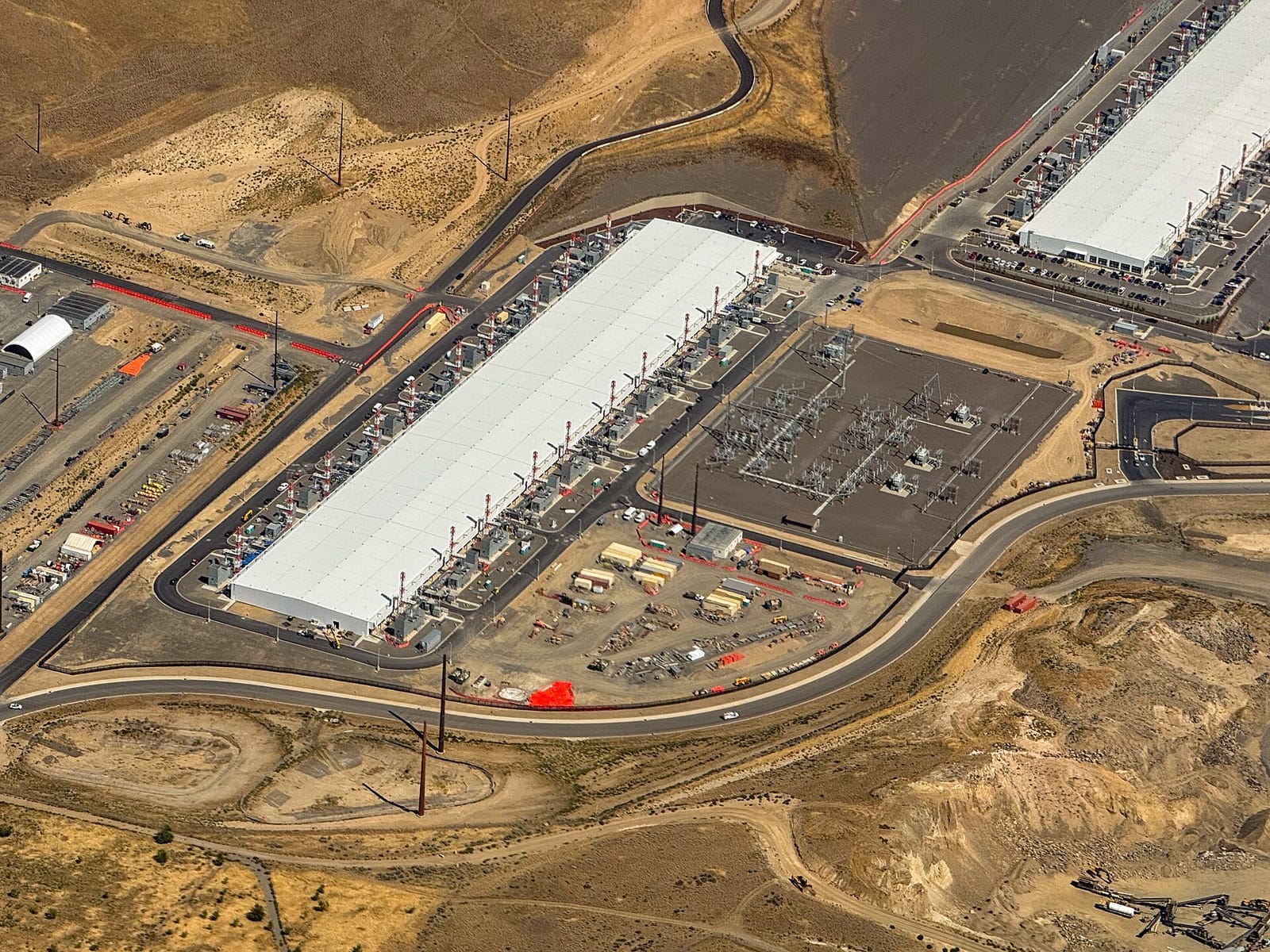
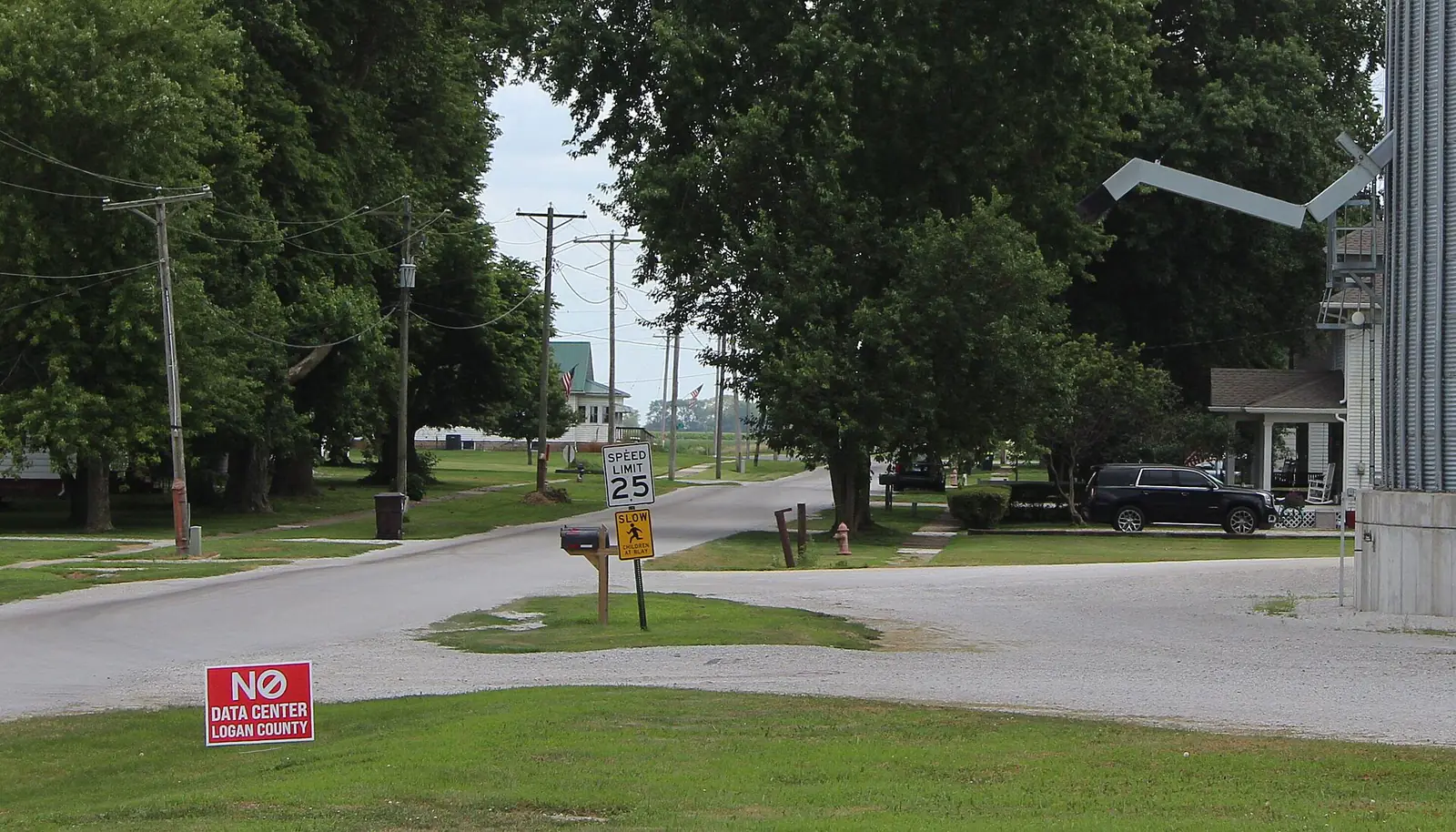
The domestic picture explains the pressure. The BBC, citing the Pew Research Center, says there were about 3,000 data centers in the US as of April, with another 1,500 in approval or construction. Local opposition over noise, water and electricity prices became a campaign issue in the November 3 midterm elections, and The Verge notes that states and cities are adding moratoriums and restrictions on new projects. Canada and Nordic countries have pitched themselves as alternatives with spare power and less local resistance. Our explainer on AI data center spending covers why power and permitting now set the pace of the build-out.
There is also a political limit. The Verge points out that a Democratic-majority Congress will be sworn in within a couple of months, which makes new tax legislation harder. Any action without Congress would most likely rely on executive authority over trade or national security, which companies could challenge in court.
What to watch next
- Whether the White House publishes an executive order or asks Treasury or Commerce to draft rules.
- Statements from Google, Meta, Anthropic and Microsoft about their foreign projects.
- How Canada, Finland and other host countries respond to the threat.
- Whether the idea appears in negotiations over the incoming Congress’s tax and spending bills.
Key takeaways
- Trump said on November 20 that US firms will not be allowed to build AI data centers abroad and threatened a “tremendous tax.”
- He said his own staff were hearing the idea for the first time; no policy text exists yet.
- Projects by Meta in Alberta, Anthropic in Nova Scotia and Google in Finland are among those that could be affected.
- The threat follows this week’s chip licensing rule and growing local opposition to data centers inside the US.
Frequently asked questions
Is there a law banning US data centers abroad?
No. As of November 21, the White House has published no order, rule or bill. Trump described the idea at a press conference and said his staff had not yet heard it.
Which companies have AI data centers planned outside the US?
Meta is building in Alberta, Canada, Anthropic has agreed to lease a proposed site in Nova Scotia, and Google is investing €13 billion in Finland. Major cloud providers also run AI capacity in many other countries.
Why are US companies building data centers abroad?
Power availability, faster permitting and local opposition at home are the main reasons. Some countries also offer cheaper renewable electricity and cooler climates that reduce cooling costs.