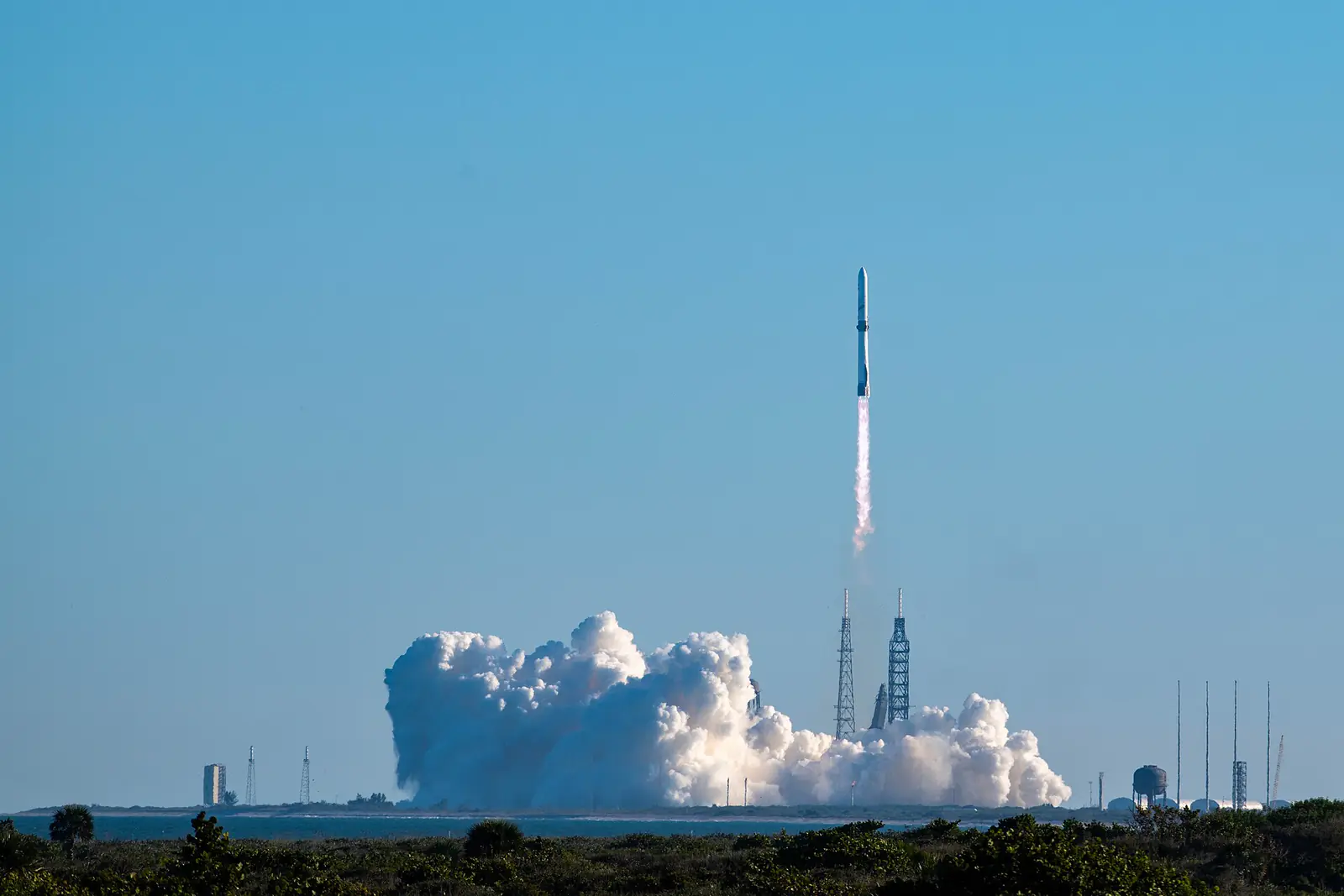
Google said on Thursday, November 19, that Blue Origin’s New Glenn rocket will carry the first heavy-lift launch for Project Suncatcher, its research effort to run AI computing hardware in orbit on solar power. The dedicated launch is targeted for the first quarter of 2029 and will place satellites into sun-synchronous orbit, each with “roughly the capacity of a data center rack,” according to Travis Beals, the Google senior director who announced it. It is the first time Google has attached a rocket, a date and a size to the project beyond single test satellites.
What Google and Blue Origin announced
Google’s post is four sentences long, and the details are limited to these: the rocket is Blue Origin’s heavy-lift New Glenn, the launch is dedicated to Google’s payload, the target is Q1 2029, and the destination is sun-synchronous orbit. Google calls Suncatcher a “long-term moonshot.”
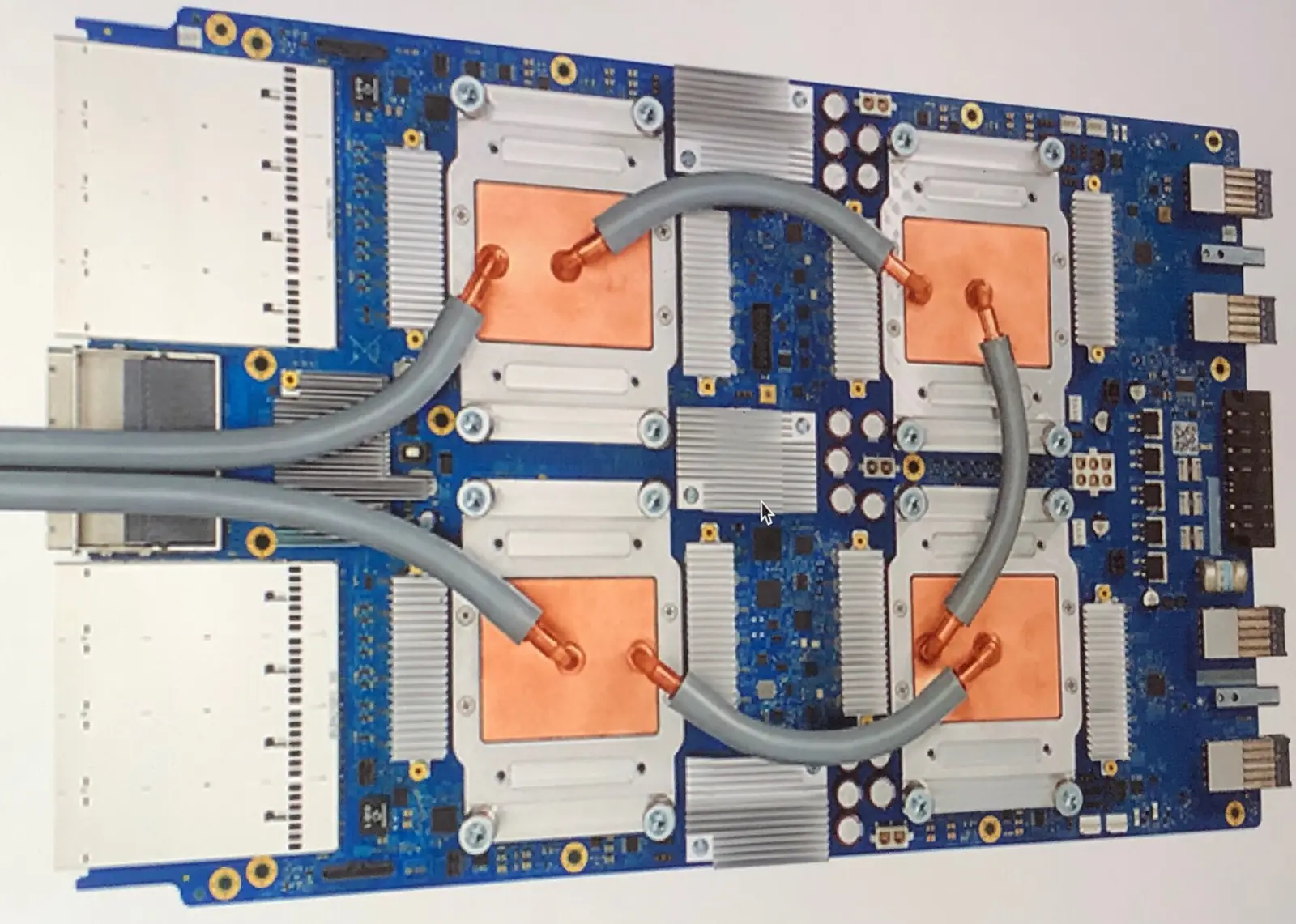
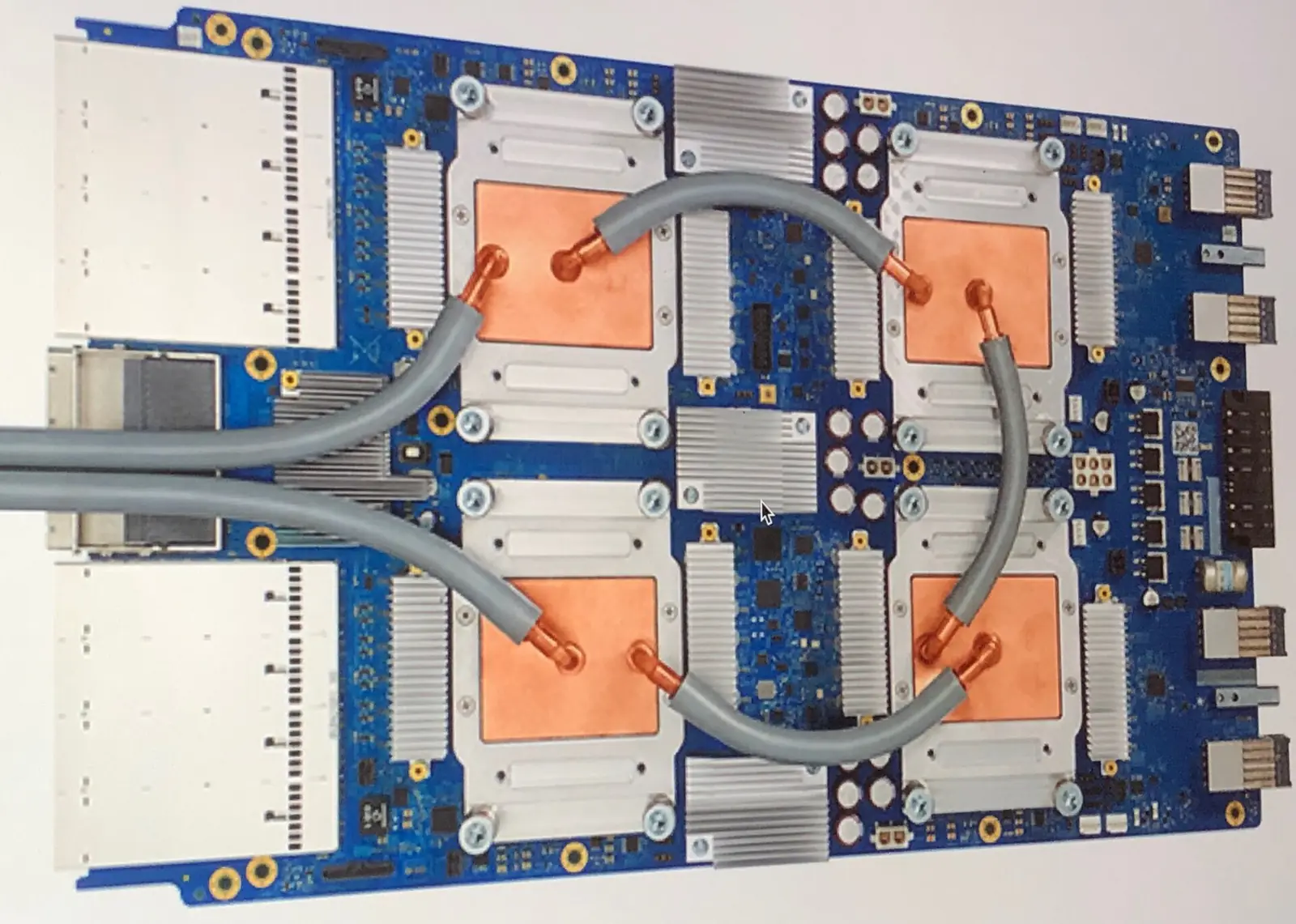
Blue Origin confirmed the deal in a post on X reproduced by Engadget, describing it as a launch services agreement. Engadget reports that the payload will carry Google’s Tensor Processing Units (TPUs), the company’s own AI chips, along with server hardware. Google has not said which generation of its chips will fly; we covered the latest in our report on the TPU 8tx and 8i Max. Neither company said how many satellites will fly or what the launch costs.
How one rack per satellite compares with a ground data center
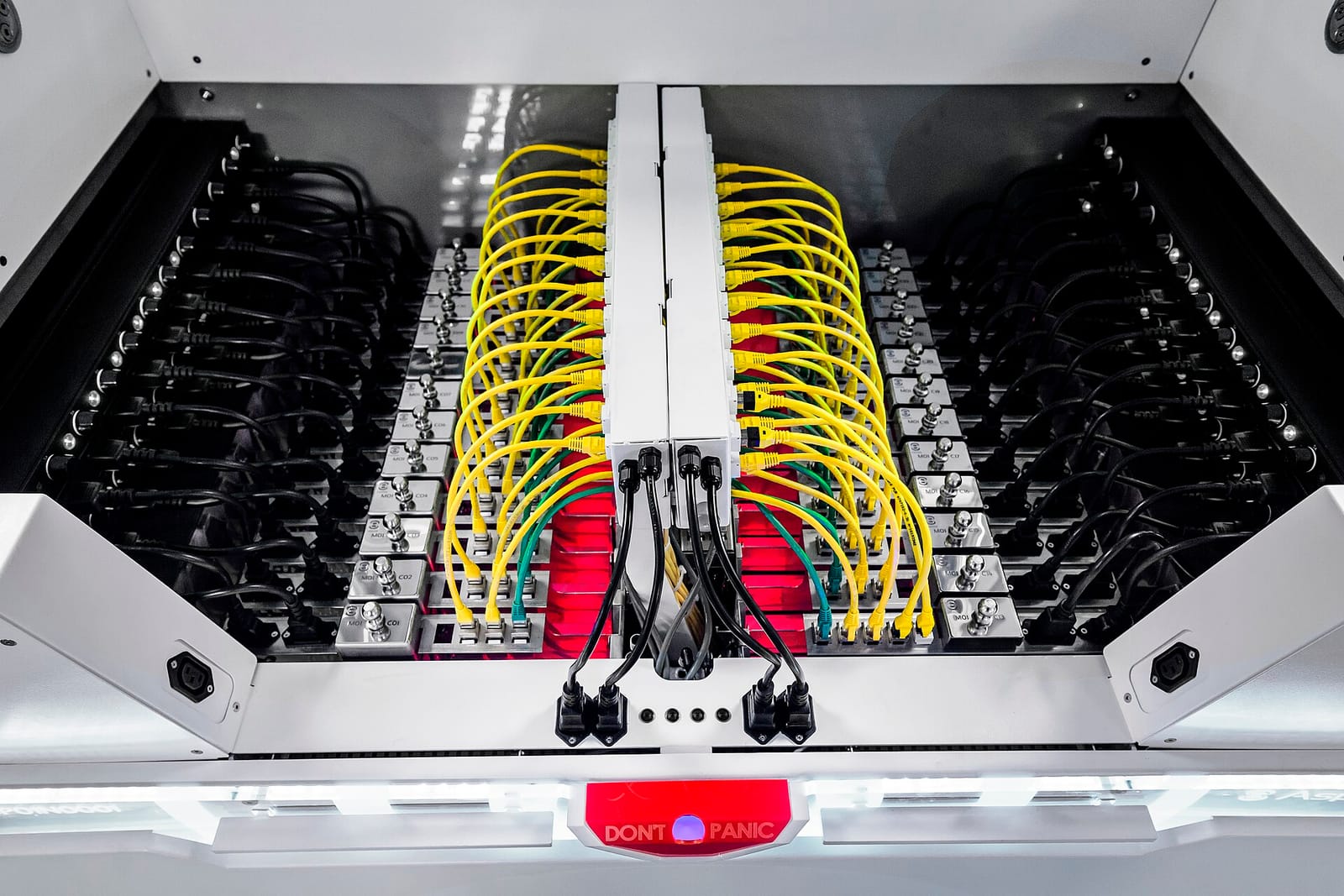
The phrase “one rack per satellite” is the first capacity figure Google has given for Suncatcher, and it shows how early the project is. A rack is the basic unit of a data center, and a large AI campus on the ground holds thousands of them. Google’s 2025 research post sketched an illustrative cluster of 81 satellites flying within a one-kilometer radius. At one rack each, a cluster of that size would hold about 81 racks, far from a hyperscale site.
That is still a large step from where the project stands. As we reported on November 1, Google’s first test satellite booted its TPUs and ran Gemma 4 in orbit, returning a haiku. Engadget notes that this satellite sits in low Earth orbit and can only operate for 15 minutes at a time.
Why sun-synchronous orbit and why a heavy-lift rocket
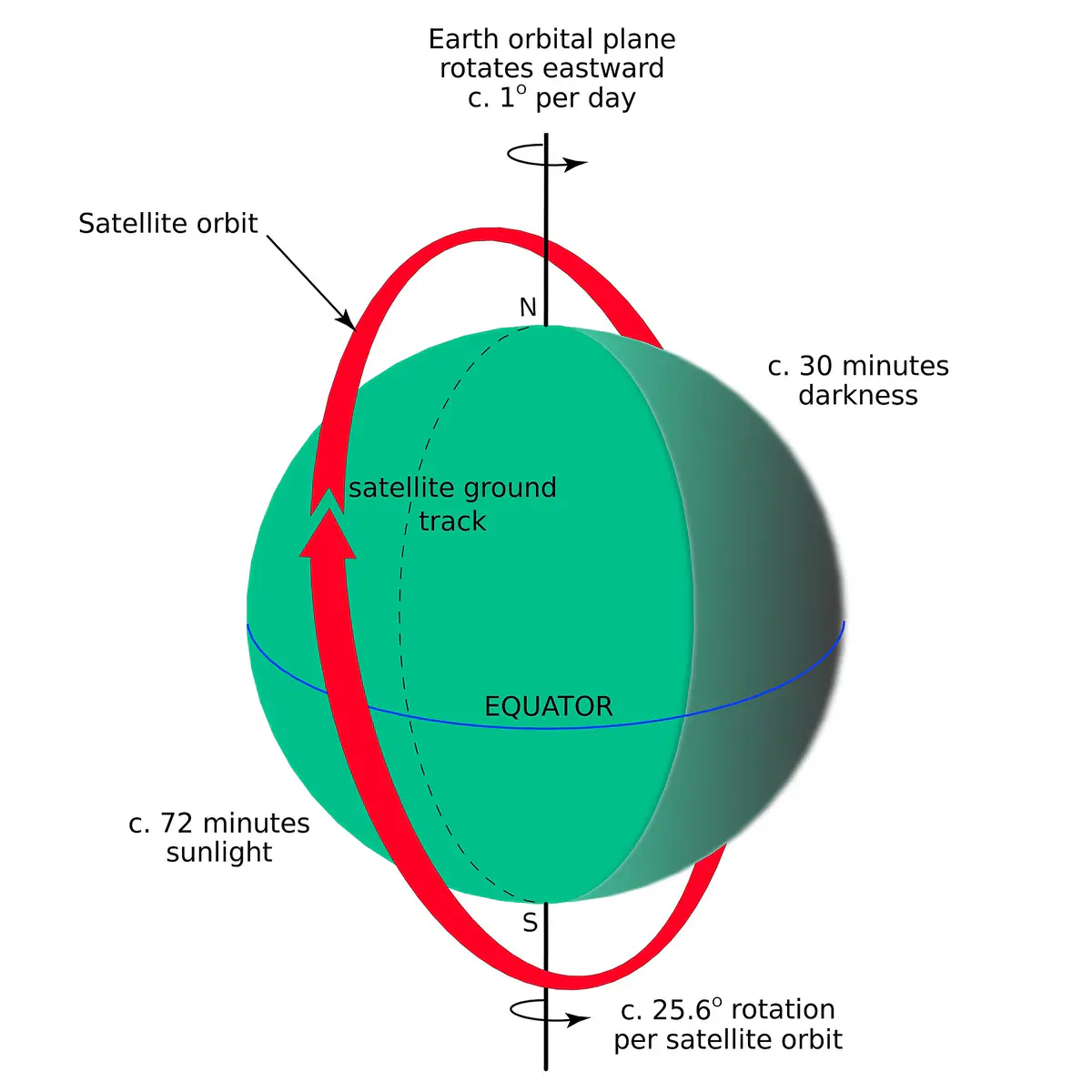
The orbit explains the project’s logic. Google’s research post says the planned constellation would likely fly in a dawn-dusk sun-synchronous low Earth orbit, where satellites are in sunlight almost all the time. In the right orbit, Google says, a solar panel can be up to eight times more productive than on Earth and needs far less battery storage.
The rocket explains the timing. New Glenn’s operational version can lift 45 tons to low Earth orbit and has a seven-meter-wide fairing, according to Wikipedia’s summary of Blue Origin’s figures. A dedicated heavy-lift flight can carry several rack-class satellites at once, and Google’s post refers to satellites in the plural. Its design depends on spacecraft flying in close formation, hundreds of meters apart. The rocket first flew in January 2025. A test explosion in May 2026 heavily damaged its Florida launch pad, the same summary notes, so a 2029 date depends partly on Blue Origin’s own schedule.
The engineering problems that remain
Google’s research team was direct about what is unsolved. Its 2025 post lists thermal management, high-bandwidth links to the ground and reliability in orbit as open challenges. Heat is the hardest: in a vacuum there is no air to carry it away, so it must be radiated through panels, as Engadget points out.
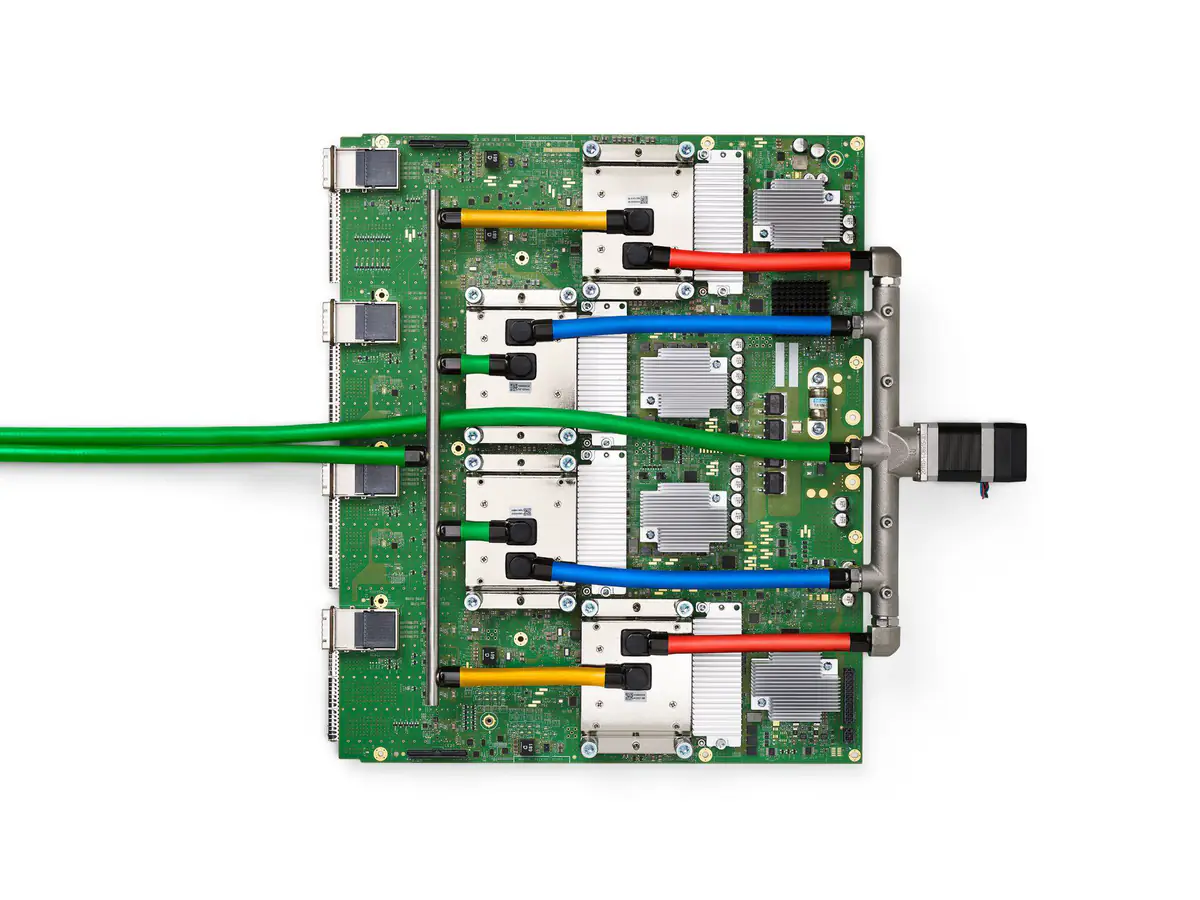
Some results are encouraging. Google tested its Trillium TPU in a proton beam and found that memory showed irregularities only after a dose nearly three times the expected five-year mission level.
Cost is the other question. Google’s analysis suggests launch prices may fall below $200 per kilogram by the mid-2030s, the point at which it estimates orbital compute could roughly match the energy cost of a ground data center. A 2029 launch comes well before that, which makes it a test mission and not a commercial one.
What to watch next
- Results from the thermal and radiation tests on the satellite already in orbit.
- The twin-satellite mission with Planet, due by early 2027.
- How many satellites the New Glenn flight carries and which TPU generation they use.
- Any cost or power figures, which neither company has published.
Key takeaways
- Google has booked a dedicated Blue Origin New Glenn launch for Project Suncatcher, targeted for Q1 2029.
- Each satellite will carry roughly one data center rack of compute built on Google’s TPUs.
- The satellites will fly in sun-synchronous orbit to collect near-constant solar power.
- Cooling, ground links, reliability and launch cost remain unsolved, by Google’s own account.
- Neither company disclosed the number of satellites or the price of the launch.
Frequently asked questions
What is Project Suncatcher?
Project Suncatcher is a Google research project exploring whether solar-powered satellites carrying its TPU chips, linked by lasers, could one day provide AI computing capacity from orbit.
When will Google launch data center satellites on New Glenn?
Google says the dedicated Blue Origin New Glenn launch is targeted for the first quarter of 2029. A separate two-satellite prototype mission with Planet is due by early 2027.
Why would anyone put a data center in space?
In a dawn-dusk sun-synchronous orbit, satellites receive sunlight almost continuously, and Google says panels there can be up to eight times more productive than on Earth. The trade-offs are launch cost, cooling and repairs.