How we review: this assessment is based on the product’s official documentation, current pricing and published independent evaluations; it is not a hands-on test. Read our review methodology.
ChatGPT remains the reference point for consumer AI assistants. In autumn 2026 OpenAI moved the product onto its GPT-6 model family and folded its Codex coding agent into every plan, from Free to Enterprise. This review looks at what the official documentation says the product does today, what each tier costs and where the trade-offs are.
What it is
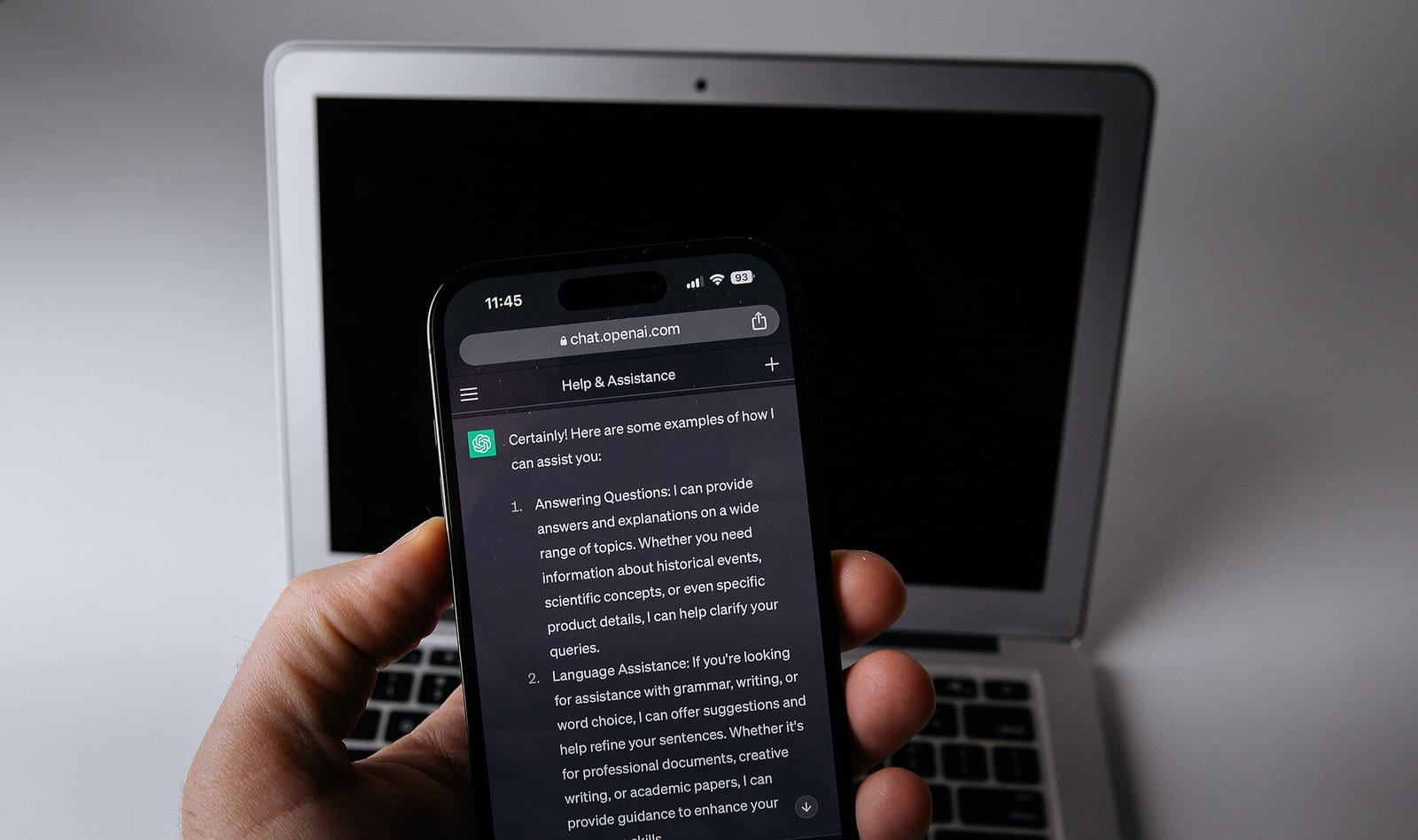
ChatGPT is OpenAI’s AI assistant, available on the web, on desktop and on mobile. It answers questions, writes and edits text, analyzes files and data, searches the web, works with images and voice, and — through Codex — writes and reviews code. It sits on top of the same models OpenAI sells through its API, so improvements to the model family show up in the app first or shortly after. Our directory entry on ChatGPT covers the basics; this page focuses on value and fit.
Key features
- The GPT-6 family. OpenAI’s developer documentation describes three tiers: GPT-6 Astra, the highest-intelligence model for demanding reasoning, coding and professional work; GPT-6.1 Sol, a balance of speed, cost and capability that OpenAI says performs close to Astra; and GPT-6 Luna, the fastest and cheapest option for focused, high-volume tasks. Which models appear in the model picker depends on the plan, and OpenAI notes that availability can vary by account while a rollout is under way.
- Codex everywhere. According to OpenAI’s pricing documentation, Codex is included in Free, Go, Plus, Pro, Business, Edu and Enterprise. On Plus it runs on the web, in the CLI, in an IDE extension and on iOS, with cloud integrations such as automatic code review and Slack.
- Shared usage. ChatGPT’s work features and Codex draw from the same usage pool. OpenAI publishes ranges of “estimated local messages per five-hour period” for each model on Plus — for example, far more messages with Luna than with Astra — and says these are estimates rather than fixed limits.
- Credits for overflow. Plus and Business users can extend usage with ChatGPT credits instead of waiting for limits to reset.
- Workspace controls. Business adds a dedicated workspace with admin controls, SAML SSO and MFA; Enterprise and Edu add SCIM, encryption key management, role-based access, audit logs through a Compliance API, and data retention and residency controls.
Pricing
At the time of writing (October 2026), OpenAI’s official pricing documentation lists these plans (US dollars, before tax):
| Plan | Price | Notes |
|---|---|---|
| Free | $0 | GPT-6 Luna, quick coding tasks, limited features |
| Go | $8/month | GPT-6 Luna, lightweight coding tasks |
| Plus | $20/month | GPT-6.1 Sol and GPT-6 Luna, full Codex surfaces, credits |
| Pro | $100, $200 or $500/month | Higher limits; Ultrafast mode on the $500 tier |
| Business | $20/user/month billed annually, $25 billed monthly | Admin controls, SAML SSO, no training on business data by default |
| Enterprise and Edu | Contact sales | Compliance, residency and flexible credit-based plans |
Prices can differ by country and by app store, so check the checkout page in your region before subscribing.
Strengths
The biggest strength is breadth. Few competitors match ChatGPT’s combination of conversation, research, file analysis, image work, voice and a full coding agent under one login. For a household or a small team that wants a single AI subscription, that matters more than winning any one benchmark.
The model ladder is also sensible. Luna handles everyday questions cheaply, Sol covers most serious work and Astra is available for the hardest problems. Because the same family powers the API, developers and non-developers see consistent behaviour.
Price entry points are good. The $8 Go plan gives casual users a paid option well below the usual $20, while Plus remains the standard tier with the strongest feature-to-price balance. For organizations, OpenAI’s statement that Business data is not used for training by default removes a common objection — see our guide to how AI pricing works for how seat and credit models compare.
Limitations
The Pro ladder is confusing. Three price points with different allowances and speed modes make it hard to know what extra capacity you are actually buying, and OpenAI’s own help pages have recorded temporary pauses and changes to some Pro tiers during 2026.
Usage limits are published as ranges, not quotas. That is honest — consumption depends on task length and model — but it makes planning harder for anyone who relies on the tool all day.
Model availability can also lag. OpenAI states that new models roll out gradually and that some accounts may not see them immediately, so a feature advertised on launch day may not appear in your app straight away.
Finally, independent evaluations of large assistants regularly find that answers can be confidently wrong, especially on recent events or niche facts. That is true of every product in this category, but it means ChatGPT’s polish should not be mistaken for reliability on high-stakes questions.
Who it’s for
- Most individuals looking for one general-purpose assistant: start with Free, move to Go or Plus once limits bite.
- Developers who want a chat assistant and a coding agent in the same subscription.
- Small and mid-size teams that need admin controls and a clear training policy (Business).
- Power users who can justify $100 or more a month for higher limits and the top model.
Alternatives
- Claude — strong writing and long-document work, with Claude Code for developers.
- Perplexity — better if your main use is cited web research.
- Microsoft 365 Copilot — if your organization lives in Word, Excel and Outlook.
For a structured way to compare the big three assistants, see our ChatGPT vs Claude vs Gemini guide.
Verdict
ChatGPT earns 4.5 out of 5. Its documented feature set is the broadest of any consumer assistant, the GPT-6 family gives a sensible choice between speed and depth, and including Codex on every plan adds real value at no extra cost. The Go and Plus tiers are priced competitively for what they include. We stop short of a perfect score because the Pro tiers are hard to compare, usage limits are expressed only as estimates, and rollouts can leave some users waiting for advertised models. For most people, though, ChatGPT is still the safest first choice.