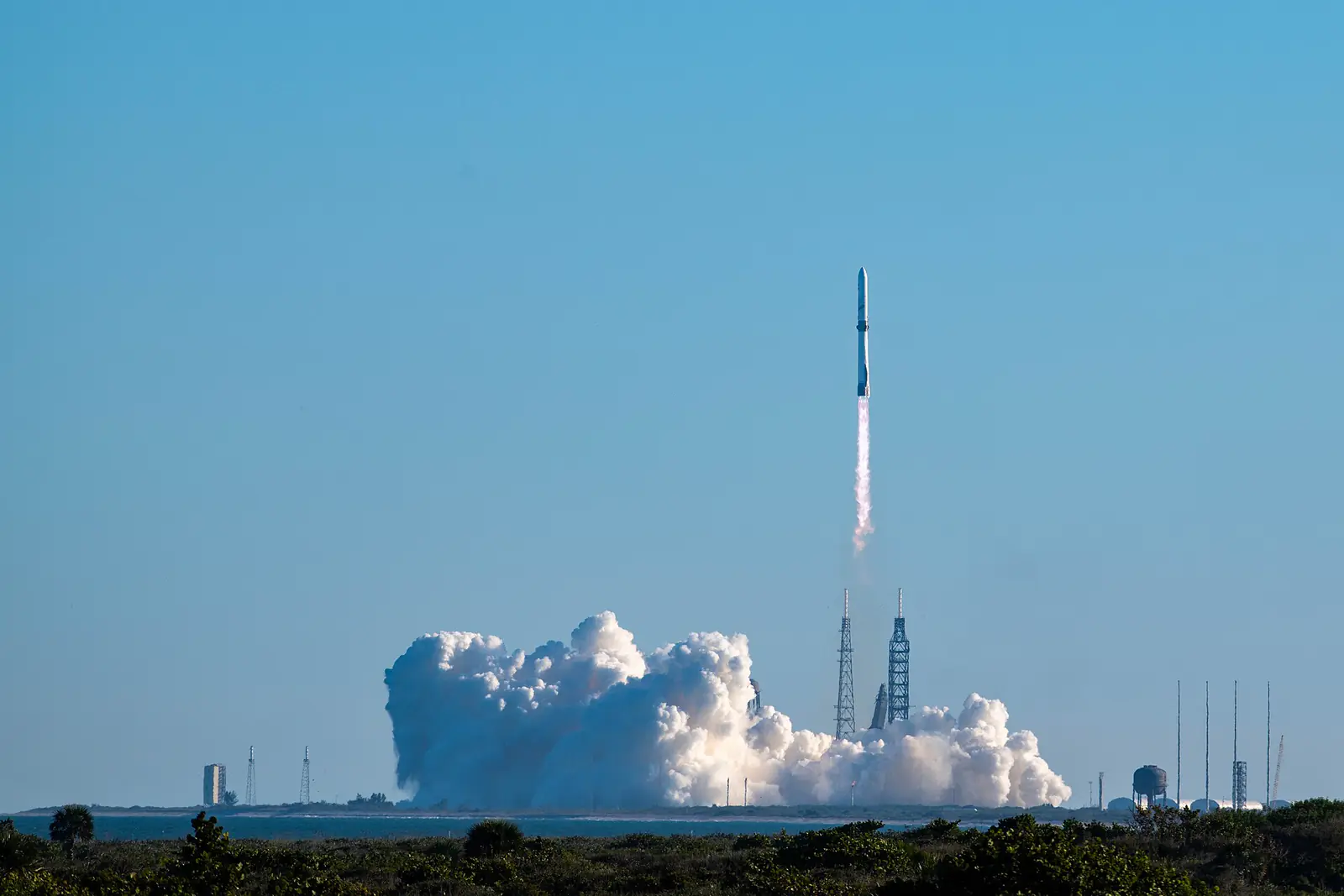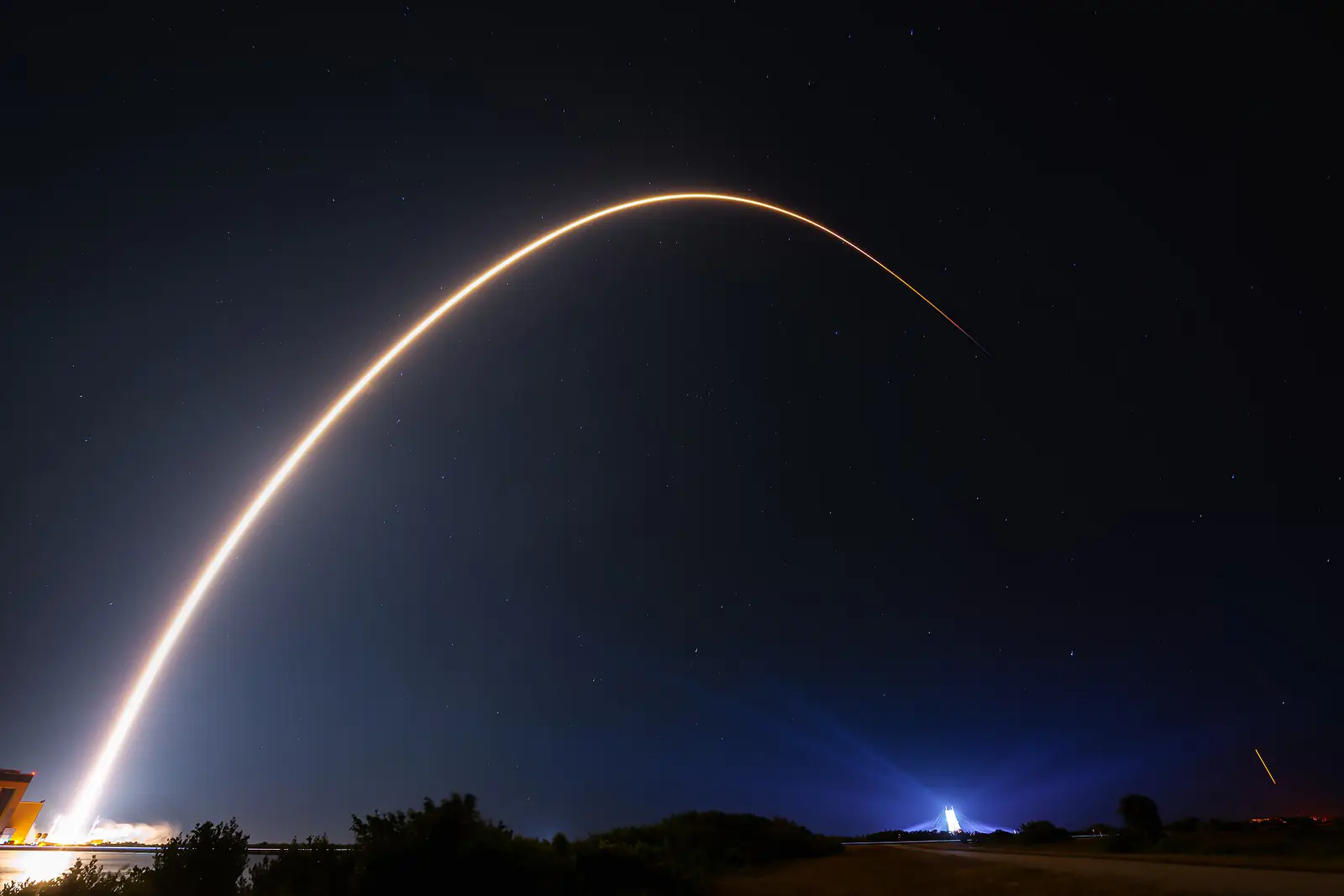
The Federal Communications Commission’s Space Bureau on Wednesday, November 25, authorized SpaceX to deploy and operate Starmind, a constellation of up to 1 million satellites designed to work as data centers in orbit. The order, DA 26-1273, grants the application in part with conditions, including a stricter debris review above 600 km. The FCC calls it the first U.S. authorization for a constellation of data centers in space.
What the FCC actually approved
The license is narrower than the headline suggests. The FCC regulates radio, so it granted backup and emergency telemetry, tracking and command links in two Ka-band slices, 18.8–19.3 GHz down and 28.6–29.1 GHz up, on an unprotected, non-interference basis. Starmind’s main traffic is meant to travel over laser links to SpaceX’s Starlink satellites, which then reach the ground.
The satellites will fly in 50 km-wide shells between 500 and 1,002 km, at 30-degree and sun-synchronous inclinations; the order lists six of them. SpaceX’s January filing had proposed altitudes up to 2,000 km, according to Unite.AI and SiliconANGLE.
FCC Chairman Brendan Carr said the action “opens a bold new frontier for the computing infrastructure needed to power America’s leadership and growth.” SpaceX chief executive Elon Musk replied on X that Starmind “will be a great asset to America and the world,” Al Jazeera reported.
The conditions and the deadlines
The bureau found SpaceX’s debris plan compliant only for satellites below 600 km. Four of the six shells sit above that line, so SpaceX must file a modification with a final debris plan before deploying there. A request to retire some satellites without atmospheric reentry was deferred.
The license is void if SpaceX misses these deadlines:
- one satellite operating in its assigned orbit by November 25, 2033;
- 10% of the authorized maximum by November 25, 2035;
- 50% by November 25, 2038;
- the full constellation by November 25, 2040.
SpaceX must also report twice a year on conjunctions, failed satellites and reentries.
Objections the FCC set aside
Amazon’s Kuiper Systems (Amazon Leo), Viasat and the American Astronomical Society all petitioned to deny the application, and all three petitions were denied. Amazon had called the plan “a lofty ambition rather than a real plan,” SiliconANGLE reported.
The bureau said its rules set no cap on satellite numbers and it “declines to invent a de facto rule” in a licensing case. Citing the FCC’s October 2026 environmental order, it required no further review under the National Environmental Policy Act. It added no astronomy conditions, relying on SpaceX’s pledge to coordinate with the National Science Foundation, and ruled that infrared waste heat from the satellites falls outside a radio license.
How Starmind compares with Google’s Project Suncatcher
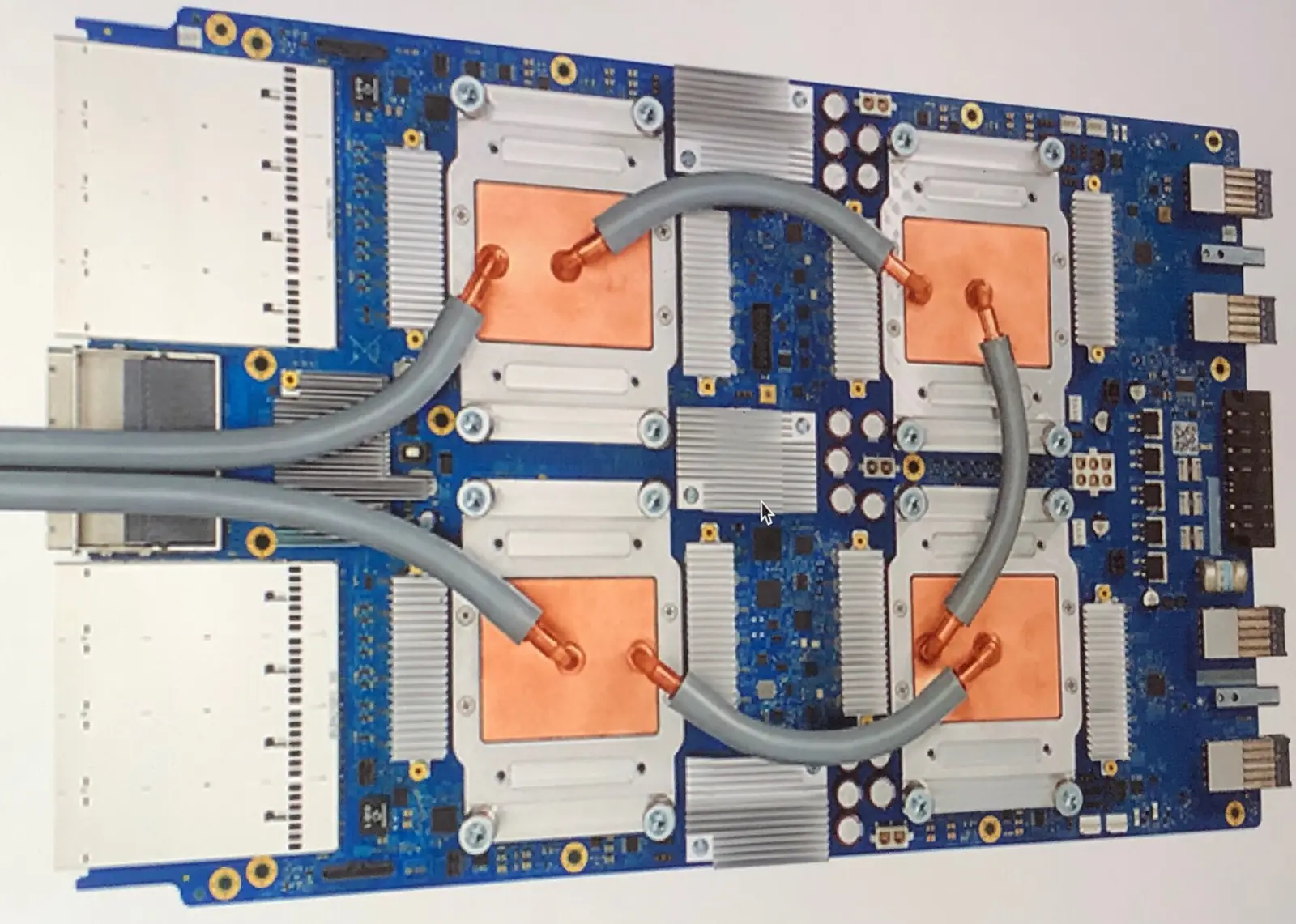
The contrast with Google is one of scale. As we reported last week, Google has booked a dedicated Blue Origin New Glenn launch for Project Suncatcher in the first quarter of 2029, with each satellite carrying roughly one data center rack. Google’s research sketched an illustrative 81-satellite cluster; SpaceX now has permission for up to a million spacecraft.
The hardware ambition is similar. SiliconANGLE reports that SpaceX’s first Starmind satellite, AI1, is built around a space-optimized version of Nvidia’s Vera Rubin NVL72 rack-scale system and that Musk has said it could reach orbit as early as the third quarter of 2027. Google, by contrast, already has a test satellite that ran Gemma 4 on its TPUs in orbit.
Starmind also extends a ground compute business SpaceX is already financing at scale, including the roughly $40 billion Apollo GPU lease disclosed in October. Blue Origin, meanwhile, applied in March for Project Sunrise, up to 51,600 data center satellites, SiliconANGLE notes.
What to watch next
- Whether SpaceX accepts the conditions; it has 30 days from release to decline the grant.
- The final debris plan required before any satellite flies above 600 km.
- Whether AI1 launches in the third quarter of 2027, as Musk suggested.
- FCC decisions on Blue Origin’s Project Sunrise and other orbital data center filings.
Key takeaways
- The FCC Space Bureau authorized up to 1 million Starmind satellites on November 25, 2026, with conditions.
- The license covers only backup radio links; Starmind’s main data path is optical, through Starlink.
- Four of six shells are above 600 km and need a separate debris approval.
- SpaceX must deploy 10% by 2035 and all satellites by 2040, or lose the license.
- Petitions from Amazon, Viasat and the American Astronomical Society were denied.
Frequently asked questions
What is SpaceX Starmind?
Starmind is SpaceX’s planned constellation of satellites that would work as AI data centers in low Earth orbit, sending results to Earth through Starlink’s laser links.
Will SpaceX really launch 1 million satellites?
Not necessarily. The approval is a ceiling: SpaceX must deploy 10% by 2035 and the rest by 2040 to keep the license.
Why did the FCC not weigh astronomy and environmental concerns?
The bureau said its authority covers radio communications, found no further environmental review was required, and relied on SpaceX’s pledge to coordinate with the National Science Foundation.