Neuralink said on November 25, 2026 that the US Food and Drug Administration has approved its LINK Pivotal Study, a late-stage trial of its N1 brain implant in adults with severe paralysis caused by amyotrophic lateral sclerosis (ALS). The company calls it the first pivotal trial of an implantable brain-computer interface (BCI) in the United States. The approval lets Neuralink run the study; it does not allow the company to sell the device.
What the LINK trial will test
According to Neuralink’s announcement, the study will measure how well participants can control digital devices, such as computers and phones, using thought alone, with an emphasis on functional outcomes that make people more independent in daily life. It will also track long-term safety and reliability. Neuralink has not named the clinical sites or said how many people it plans to enroll. Enrollment is open now.
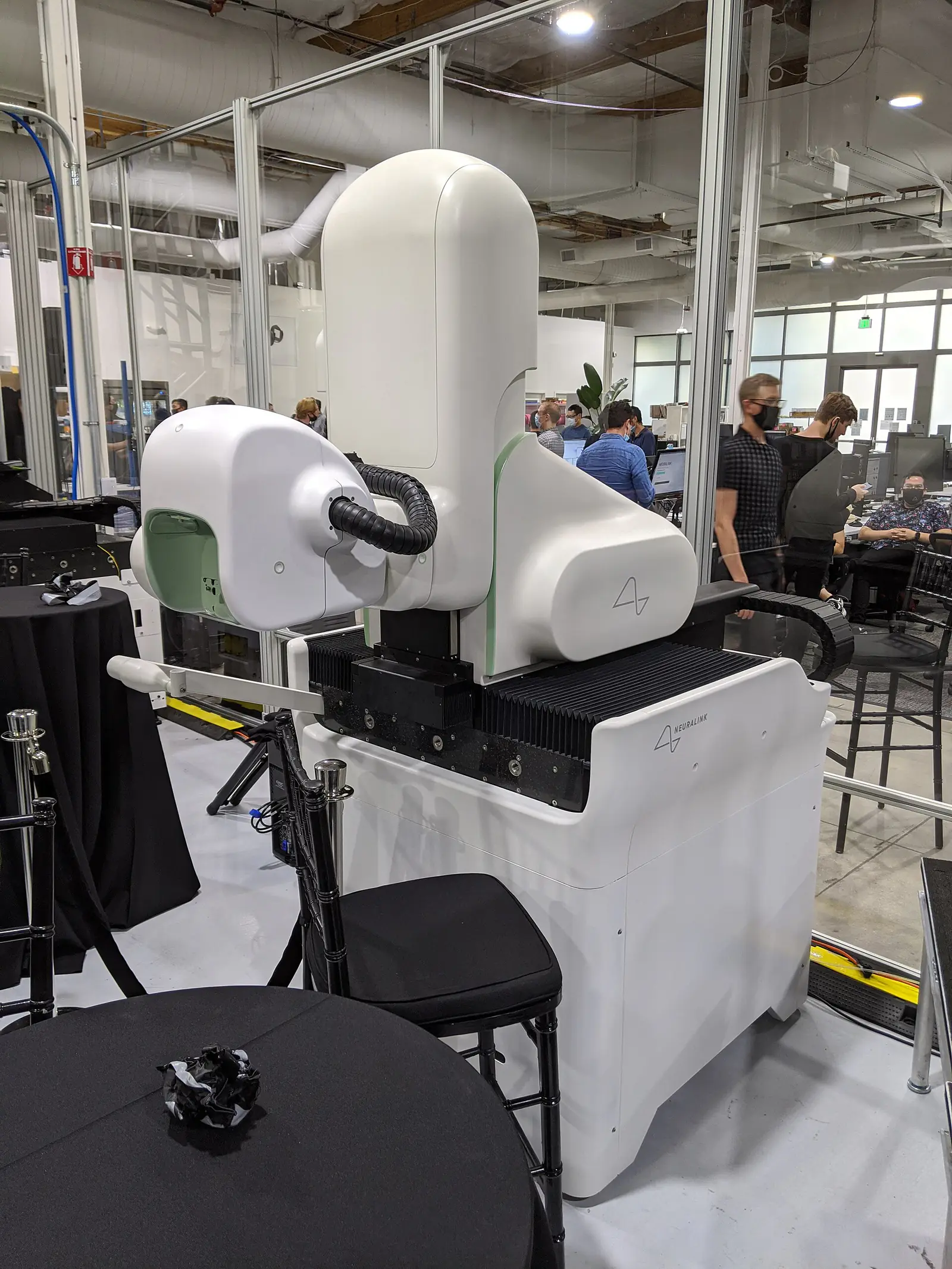
Neuralink’s trials page lists the pivotal study as recruiting adults with ALS in the United States. The hardware is the system used in earlier studies: the wirelessly charged N1 implant, placed by the R1 surgical robot that inserts its fine electrode threads. The page’s general schedule runs follow-up visits for about two years, some of them remote.
From feasibility studies to a pivotal trial
The pivotal study follows Neuralink’s early feasibility studies in the US, Canada and the UK, which enrolled people with paralysis from spinal cord injury, ALS or brainstem stroke. Neuralink says more than 30 people have received its implant across those studies. The feasibility trials remain open and are registered on ClinicalTrials.gov as NCT07929792 (US), NCT06700304 (Canada) and NCT07127172 (UK).
The implant records activity from neurons, and decoding software based on neural network methods turns those signals into cursor movements and clicks.
What “pivotal” means on the road to approval
In the FDA’s device framework, an investigational device exemption (IDE) is what allows a company to test an unapproved device in people. FDA training material describes feasibility studies as small studies that gather preliminary safety and effectiveness data, often to shape a later pivotal study. A pivotal study is designed to collect definitive evidence of safety and effectiveness for a specific intended use, usually in a statistically justified number of participants.
For a high-risk implant like a BCI, pivotal data is what a company typically submits in a marketing application. Neuralink is a step closer to commercial approval, but it has not given a timeline for a filing.
How Neuralink compares with other BCI companies
Neuralink is now ahead of its US rivals on the regulatory path for a permanent implant, although each company uses a different design:
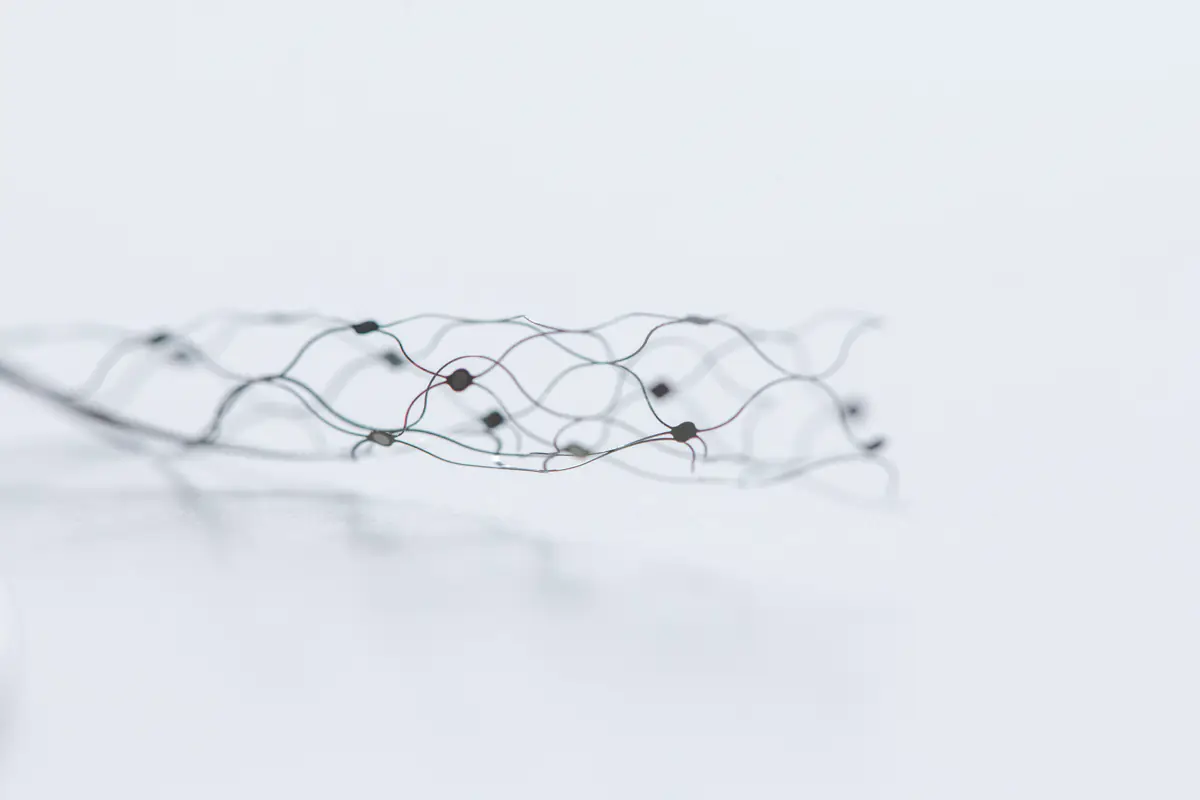
- Synchron delivers its Stentrode through a blood vessel rather than open brain surgery. Its COMMAND study, which Synchron describes as the first US IDE trial of a permanently implanted BCI, began implanting patients in 2022. In mid-November 2026, after a WIRED report, it paused enrollment in trials of its second-generation wireless Stentrode over a performance problem with the device’s lead. Synchron said the pause was voluntary and not linked to safety issues.
- Paradromics received FDA approval of an IDE in November 2025 for Connect-One, an early feasibility study of its Connexus implant aimed at restoring speech. The first participant was implanted at University of Michigan Health in June 2026.
- Precision Neuroscience holds an FDA 510(k) clearance, dated March 30, 2025, for its Layer 7-T Cortical Interface, but only for temporary use of less than 30 days, such as brain mapping during surgery. Its fully implantable wireless system is still in development.
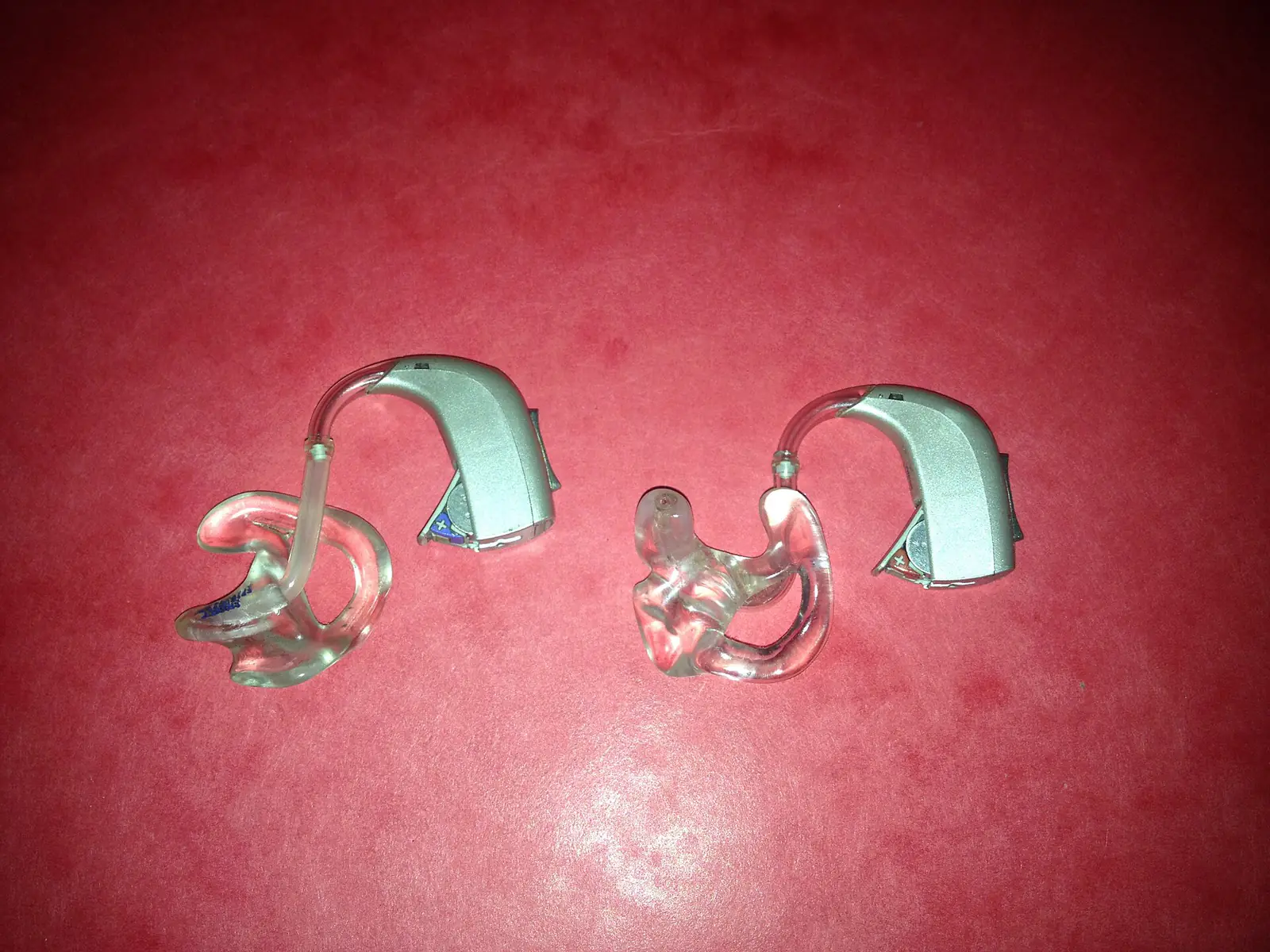
Neural decoding is also moving into consumer devices, as our explainer on AI hearing aids and neural networks shows.
What to watch next
- Which hospitals join the LINK study and how many participants Neuralink plans to enroll.
- Whether the full protocol and primary endpoints appear on ClinicalTrials.gov.
- When Synchron resumes enrollment and files for its own pivotal trial.
- First results from Paradromics’ Connect-One speech study.
Key takeaways
- The FDA approved Neuralink’s LINK Pivotal Study, announced November 25, 2026, for adults with severe paralysis from ALS.
- Neuralink calls it the first pivotal trial of an implantable BCI in the United States.
- The trial will test thought-based control of digital devices plus long-term safety and reliability.
- More than 30 people have received the N1 implant in earlier feasibility studies in three countries.
- The approval covers the trial only; the device is not approved for sale.
Frequently asked questions
Is the Neuralink implant FDA approved?
No. The FDA approved a pivotal clinical trial, which lets Neuralink test the implant in people with ALS. Marketing approval would require a separate FDA review of the trial’s data.
Who can join the Neuralink pivotal trial?
Neuralink says the study is for adults in the United States with severe paralysis caused by ALS. Its trials page lists general requirements such as being at least 18 and having a reliable caregiver.
What is a pivotal trial for a medical device?
It is the stage designed to produce definitive evidence of a device’s safety and effectiveness for a specific use. Its results normally form the basis of an application to market the device.