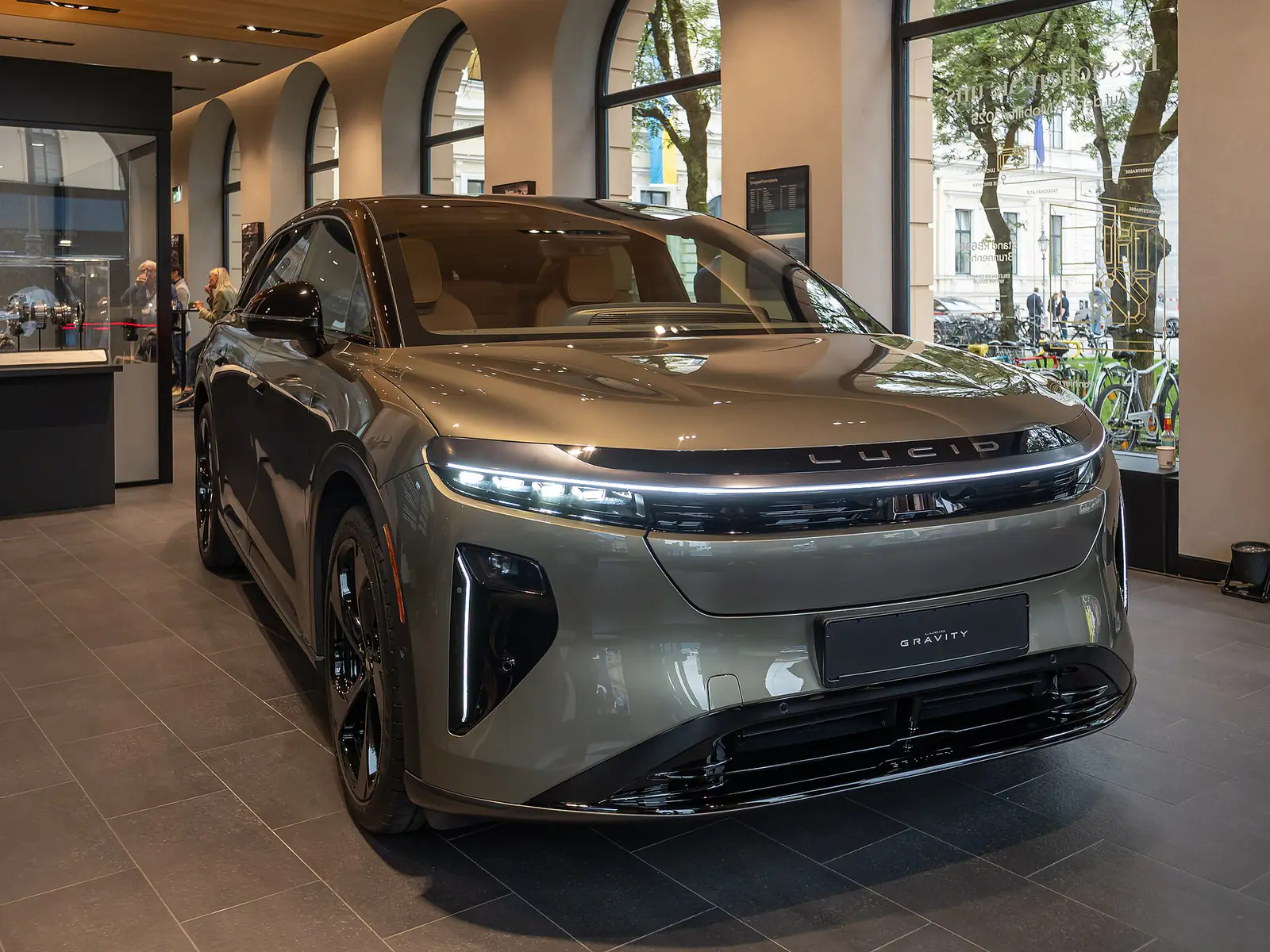
Nuro, Lucid and Uber said on November 24, 2026 that their robotaxis are now driving on public roads in the San Francisco Bay Area with no safety driver on board. The tests run in four South Bay cities — Palo Alto, Mountain View, Los Altos and Sunnyvale — using Lucid Gravity SUVs fitted with the Nuro Driver self-driving system. Employee rides are due soon, and public service on the Uber app is planned for the first quarter of 2027, making this the last big technical step before Uber’s own robotaxi programme carries riders.
What the three companies announced
The vehicles are Lucid Gravity electric SUVs running Nuro’s Level 4 system, which uses cameras, lidar and radar, partly housed in a low roof-mounted “Halo” module. Lucid has delivered more than 100 vehicles to the test fleet and plans to fit the self-driving hardware on the production line at its Casa Grande, Arizona plant.
The step rests on two California permits. A Driverless Testing Permit from the Department of Motor Vehicles (DMV) lets Nuro run the cars with nobody behind the wheel; the companies say Nuro is one of six firms holding one. A Drivered Pilot Permit from the California Public Utilities Commission (CPUC), granted in May 2026, allows passenger rides only with a safety operator. Neither covers paid driverless rides, which need further approvals. Uber’s Samarth Kejriwal called removing the safety operator “an important milestone”.
A launch that slipped from 2026 to 2027
When the partnership was announced on July 17, 2025, Uber pointed to a 2026 launch in a major US city. On November 4, Uber pushed the commercial launch to the first quarter of 2027. CEO Dara Khosrowshahi said driverless testing would begin “this quarter” and that the service would run fully driverless from day one. The timeline, from Nuro’s programme page:
- July 2025: partnership announced.
- January 2026: production-intent robotaxi shown at CES.
- April–May 2026: Uber employee test rides start; Nuro receives its CPUC permit.
- June 2026: Houston named as a second city for 2027.
- November 24, 2026: driverless testing on public roads begins.
How it differs from Waymo’s model
The biggest difference is who owns what. Waymo develops its own driver, runs its own fleet and sells rides mainly through its own app. Here each company has one job: Lucid builds the car, Nuro licenses the software, and Uber — directly or through fleet partners — owns and operates the vehicles, offered only on the Uber network. Uber has committed to buy at least 35,000 Nuro-equipped Lucid vehicles for “dozens” of markets over the coming years. As we explained in our look at why robotaxis are hard to scale, vehicle cost and fleet financing are among the biggest hurdles, and this structure puts that capital on Uber’s side.
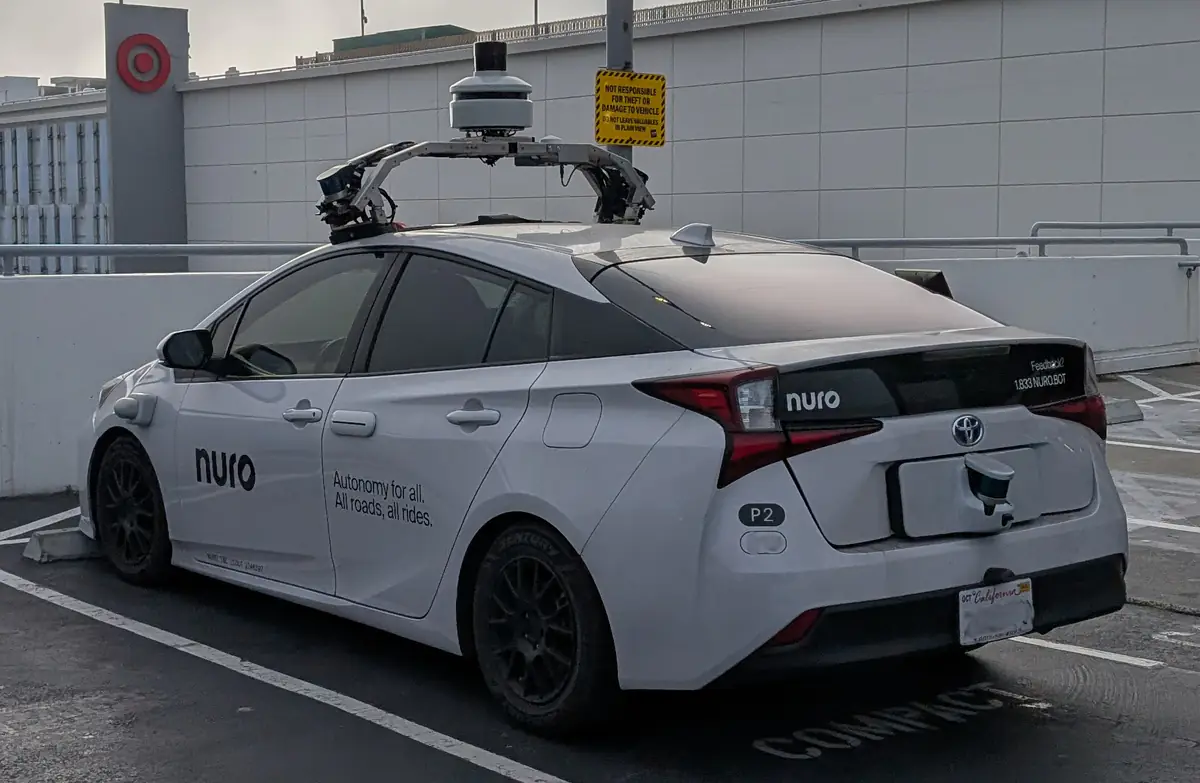
The operating area is also modest: four suburban cities, with no mention of freeways. That is a sensitive point in California. The DMV barred Waymo’s driverless freeway operations on November 11 after its cars entered active construction closures, and Waymo then paused freeway routing in all its markets. Federal regulators have also questioned Waymo’s behaviour around school buses, as we reported in our story on the NHTSA school bus recall query.
Nuro says its decision is backed by a “Safety Case Framework” combining closed-course testing in Las Vegas, simulation and supervised driving in the Bay Area and Houston since December 2025. No disengagement or crash figures have been published; our guide to how self-driving safety is measured explains why such data matters more than milestones.
What to watch next
- Whether employee driverless rides start before the end of 2026.
- A CPUC driverless deployment permit, needed for the public Q1 2027 launch.
- Expansion to more Bay Area cities in 2027 and any move onto freeways.
- The Houston launch, still planned for 2027.
Key takeaways
- Nuro, Lucid and Uber began fully driverless public-road testing on November 24, 2026 in Palo Alto, Mountain View, Los Altos and Sunnyvale.
- The robotaxi is a Lucid Gravity SUV with the Nuro Driver; more than 100 test vehicles have been delivered.
- Public rides on the Uber app are planned for Q1 2027, after the launch slipped from 2026.
Frequently asked questions
Can the public ride in the Nuro and Lucid robotaxi yet?
No. Only driverless testing is under way, with employee rides expected first. Public service on the Uber app is planned for the first quarter of 2027.
Where are the driverless Lucid Gravity robotaxis being tested?
On public roads in Palo Alto, Mountain View, Los Altos and Sunnyvale in the San Francisco Bay Area. More Bay Area cities are planned for 2027, with Houston to follow.
Who owns the Uber, Nuro and Lucid robotaxis?
Uber, directly or through fleet partners, will own and operate the vehicles. Lucid builds the cars and Nuro licenses its self-driving software.