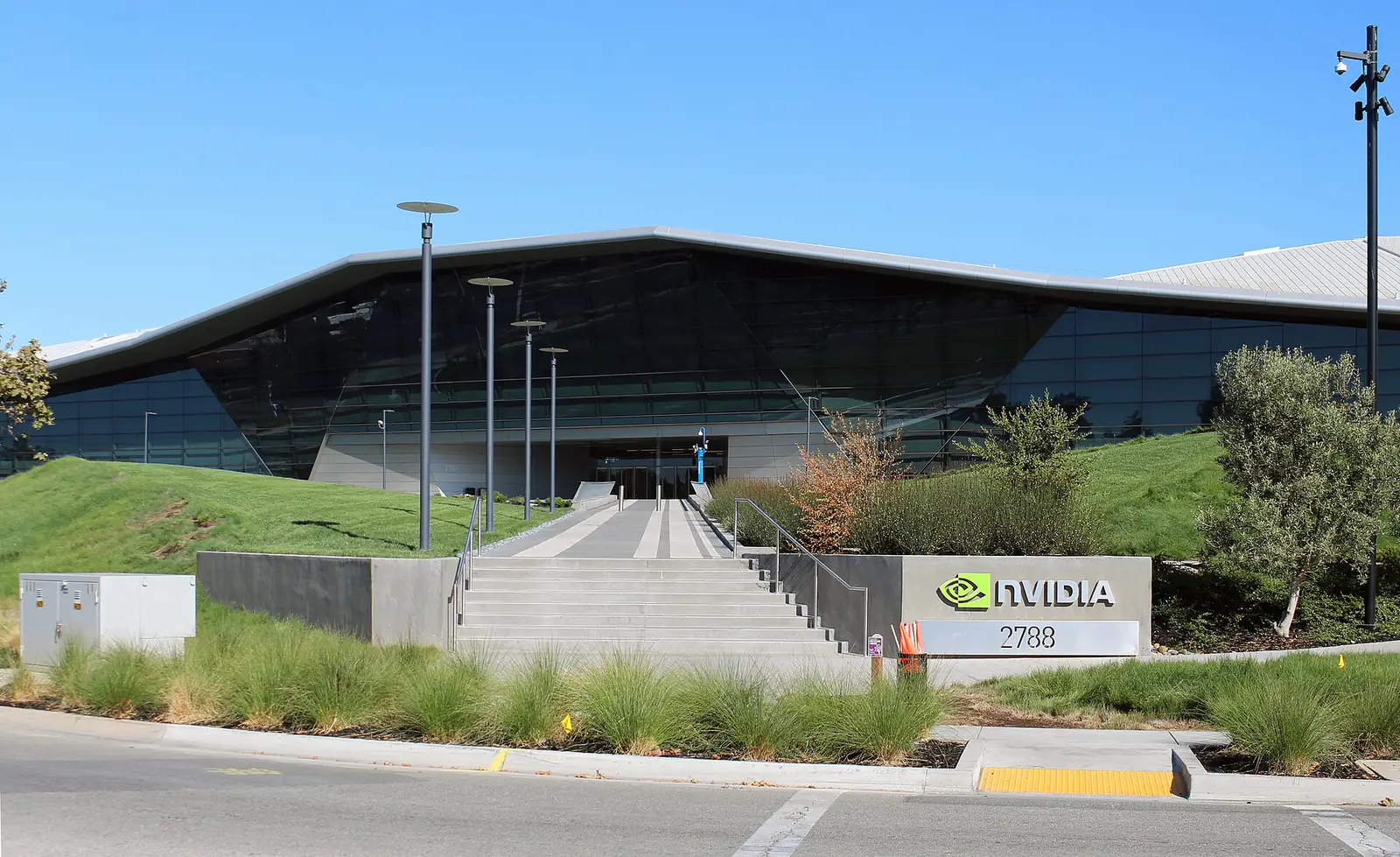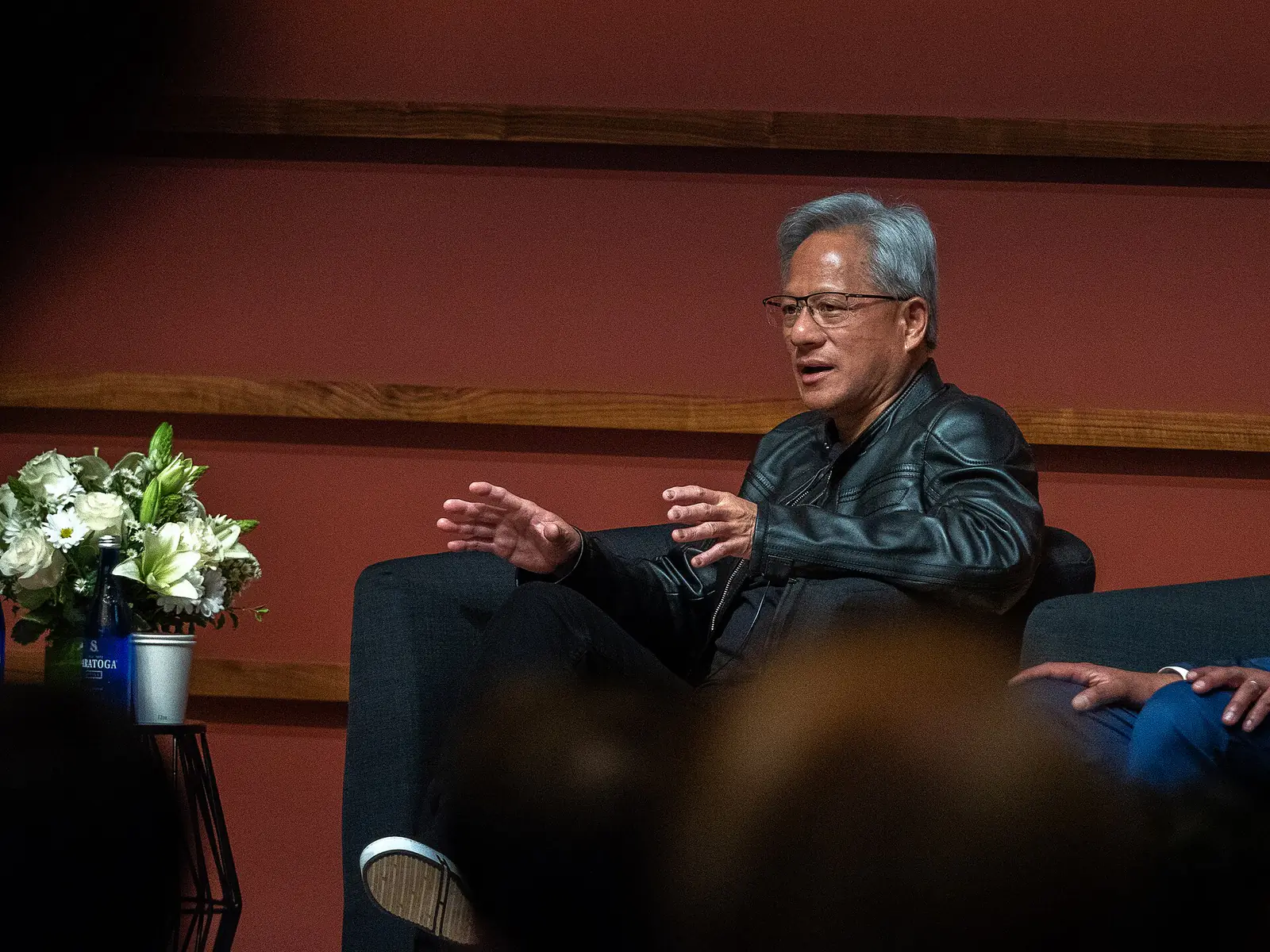
Nvidia’s board reinstated Jensen Huang as president, chief executive and board director on Monday, November 23, effective immediately, 11 days after he resigned. The vote was unanimous, and the board said it had received input from “senior levels” of the US government before concluding that his return “poses no national security risk.” Nvidia shares opened about 30% higher, while lawmakers from both parties demanded answers, and Huang is now due to testify before the Senate Banking Committee on December 3.
What the board announced
The company statement says the directors met Huang several times and came away satisfied with his candor and his ability to lead. Harvey C. Jones, who became Nvidia’s first board chair when Huang left, stays in that role. Colette Kress, who served as interim chief executive, keeps her job as chief financial officer.
Three governance changes stay in place despite the reversal:
- The investigation continues. A committee of independent directors, advised by outside counsel, is still examining reports that Huang was the target of a foreign intelligence effort. The board says that inquiry “will proceed to conclusion” and that Huang supports it.
- A national security committee. The board recently created a National Security and Export Control Committee, made up only of independent directors, to oversee trade compliance. It is hiring counsel with national security experience.
- A new compliance chief. Nvidia is starting a search for a Chief Compliance Officer who will report to the board’s Nominating and Corporate Governance Committee.
How fast the decision turned
The reversal is sharp. When Nvidia reported a $115.8 billion quarter on November 17, Jones said the board did not intend to bring Huang back, and the company had hired the search firm Heidrick & Struggles to find a permanent successor, TechCrunch reports.
Pressure came from two directions in the days that followed. Technology executives including Elon Musk, Garry Tan and Tim Sweeney publicly backed a petition for his return. President Donald Trump repeatedly supported Huang, and after the vote said on Truth Social that the board had made “the correct and proper decision.” Trump also said the attorney general had found no evidence that Huang broke the law, according to TechCrunch.
What it means for Nvidia’s investors and customers
For shareholders, the market’s answer was immediate. Tom’s Hardware reports the stock rose more than 30% before the open, recovering the roughly 24% it had lost during Huang’s absence; TechCrunch put the shares at $159.95 shortly after trading began.
For customers, the practical question is whether the policy shifts of the past two weeks survive. After Huang left, Nvidia stopped H200 shipments to Chinese buyers, as we noted in our earnings coverage. Nothing in Monday’s statement says that has changed, and the new export-control committee and compliance officer suggest the board wants formal checks on sales decisions that used to sit with the chief executive.
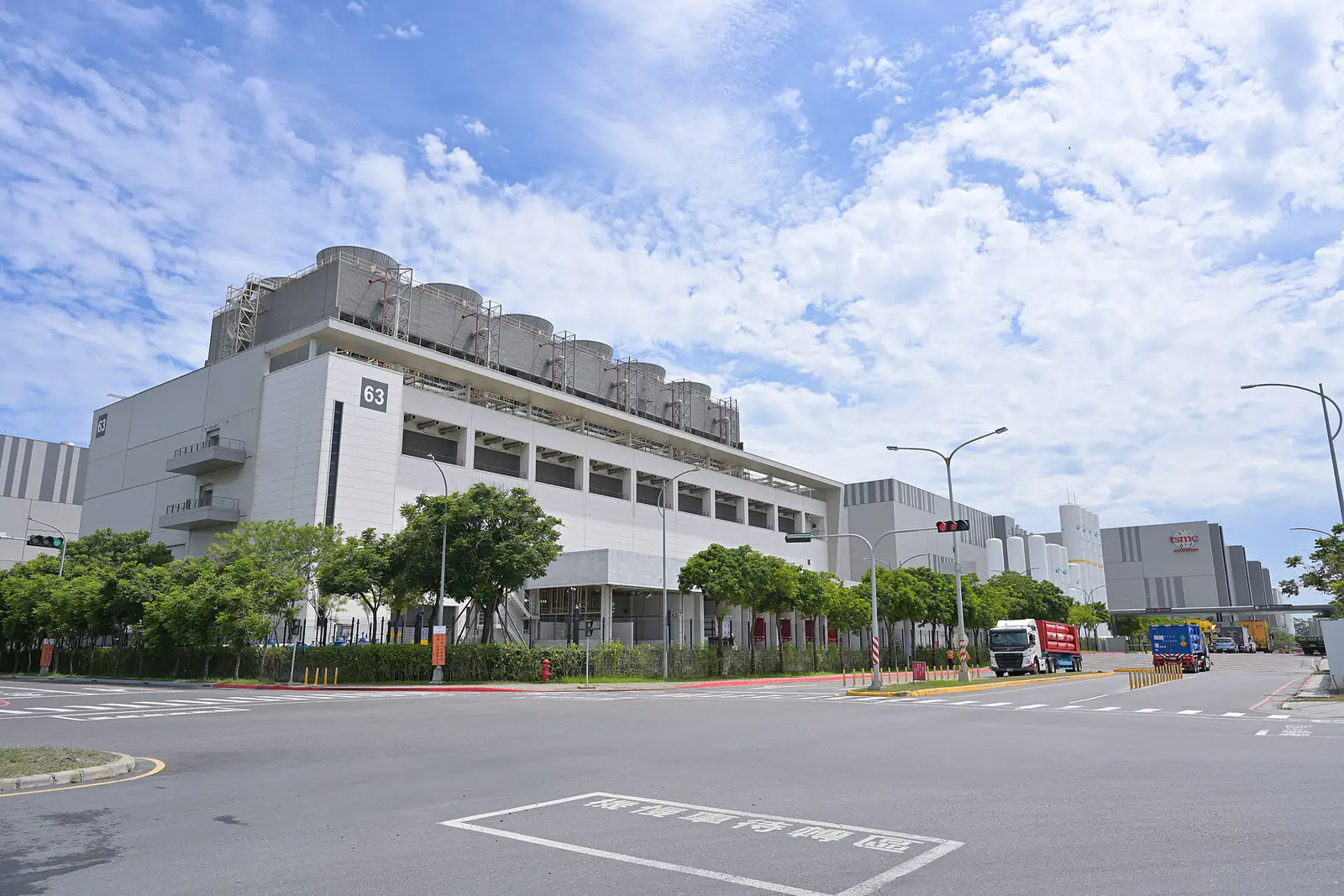
The case against Megaspeed is also moving. The Commerce Department’s Bureau of Industry and Security filed a rule on November 23 adding Megaspeed International and six related entities in Singapore, Malaysia and Thailand to the Entity List, according to Unite.AI’s reading of the filing. Listed companies need a US license for all items subject to export rules, with applications reviewed under a presumption of denial. Megaspeed was a large Nvidia customer before the company put it on a “no sell” list in June 2025, and it has denied wrongdoing.
Congress is not done
The reaction on Capitol Hill was largely critical and bipartisan. Republican Representative Don Bacon called the decision a “failure of character” and asked for oversight of the Commerce Department, Senator Rick Scott requested a briefing, and Senator Ron Wyden said national security was “for sale,” according to CNBC interviews summarized by Unite.AI.
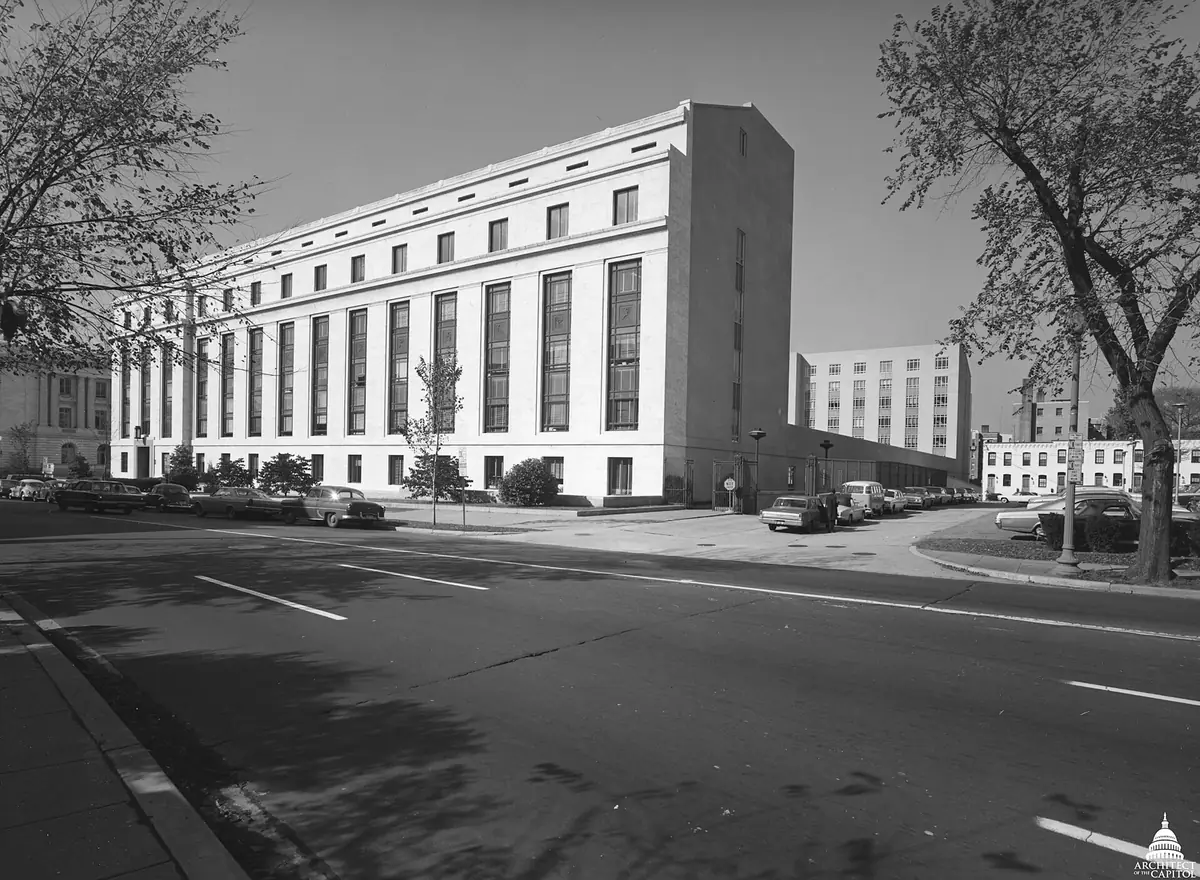
Two dates matter. Huang had already agreed to appear on December 1 before the House Foreign Affairs Committee, the Select Committee on the Chinese Communist Party and the House Intelligence Committee, behind closed doors. Two days later, the Senate Banking Committee’s site lists a public full-committee hearing, “Protecting America’s AI Advantage: Oversight of U.S. Export Controls,” for December 3 at 10 a.m., with Huang as the witness.
What to watch next
- Whether the independent investigation reports findings, and whether the board publishes them.
- Huang’s closed-door House appearance on December 1 and the public Senate Banking hearing on December 3.
- Who Nvidia hires as Chief Compliance Officer and what powers the export-control committee gets.
- Whether H200 sales to Chinese customers resume, or stay halted under the new oversight.
- Publication of the Megaspeed Entity List rule and any charges in the Justice Department’s criminal case.
Key takeaways
- Nvidia’s board unanimously reinstated Jensen Huang as CEO, president and director on November 23, 11 days after he resigned.
- The board cites input from senior US officials for its view that his return poses no national security risk.
- Harvey Jones stays as chair, Colette Kress returns to the CFO role, and the internal investigation continues.
- Shares rose about 30% at the open, while lawmakers of both parties called for oversight.
- Huang faces closed-door House questioning on December 1 and a public Senate hearing on December 3.
Frequently asked questions
Why did Jensen Huang leave Nvidia in the first place?
Huang resigned on November 12 after reports about his relationship with an executive at Megaspeed, an Nvidia customer that US officials suspect of diverting chips to China, and about other relationships with Nvidia employees. Nvidia’s original statement gave no reason for his departure.
Is the investigation into Huang over?
No. Nvidia says the committee of independent directors and its outside counsel will finish their investigation, and that Huang is cooperating. Government investigations and inquiries also continue.
When will Jensen Huang testify to Congress?
He is due to speak to three House committees behind closed doors on December 1, and the Senate Banking Committee lists him as the witness for a public hearing on export controls on December 3, 2026, at 10 a.m.