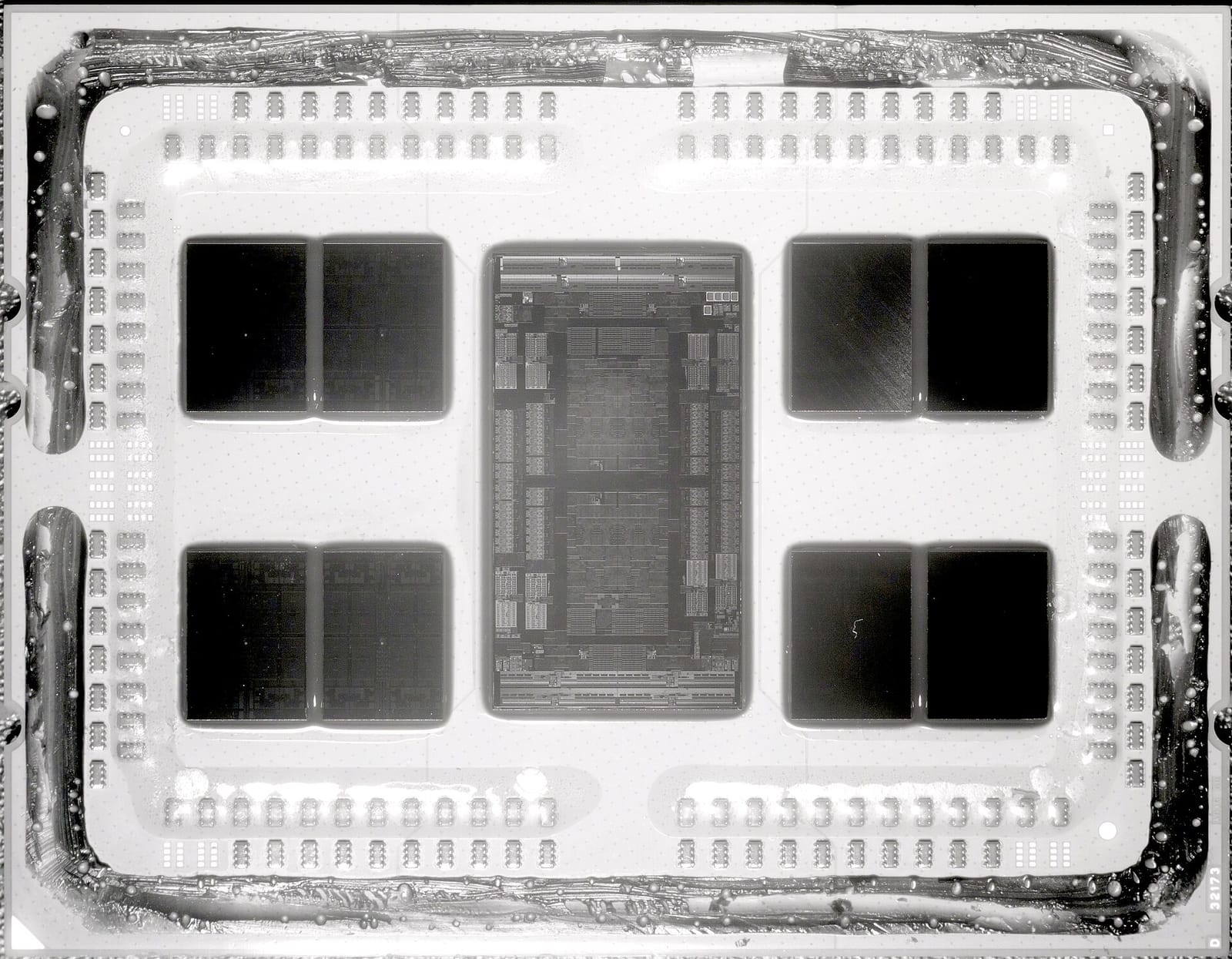
Taiwan Semiconductor Manufacturing Co. (TSMC) has put several shipments to Chinese and non-Chinese chip designers on hold while it reviews whether they comply with a new US export rule, Nikkei Asia reported over the weekend. The rule, an interim final rule released by the US Bureau of Industry and Security (BIS) on November 16, mainly targets remote access to AI chips, but it also narrows the ways a foundry can clear ordinary chips made on 16- and 14-nanometer processes or newer. Industry sources told Nikkei the effect reaches far beyond data-center chips, into smartphone, automotive and consumer-electronics parts. TSMC has not publicly confirmed the pause.
What the rule changes for foundries
Our earlier report on the BIS rule focused on its two headline measures: a license requirement for overseas data centers that rent large amounts of AI compute to Chinese-headquartered firms, and new license requirements for advanced AI chips shipped to Indonesia, Malaysia, Singapore, Thailand and Brazil. The third part of the rule, aimed at chip manufacturers, is what has now hit the supply chain.
Under existing US rules, a front-end fabricator such as TSMC, or an outsourced packaging and test company (OSAT), must presume that any logic chip made on the “16/14 nanometer node” or below, or with non-planar transistors, is a controlled advanced AI chip “designed or marketed for a datacenter” unless it can overcome that presumption. The rule text lists three ways to do so:
- The chip designer is on BIS’s approved or authorized list and attests to the chip’s performance figures.
- The foundry itself attests that the packaged chip has fewer than 30 billion transistors (or, without high-bandwidth memory, below 35 billion in 2027 and 40 billion from 2029).
- An approved packaging company makes the same transistor-count attestation.
The new rule removes the second and third routes for any chip designer located in, or owned by a parent headquartered in, countries in US export Country Groups D:1, D:4 or D:5, which include China, or in the destinations listed under the rule’s new regional license requirement. For those designers, BIS says, the chip is presumed to be a controlled AI chip unless the designer is approved or authorized. BIS says the change closes a pathway for companies to use advanced manufacturing in third countries to obtain restricted chips.
Why a smartphone chip can get caught
The 16nm and 14nm nodes are about a decade old and are used widely in phone processors, TV chips and car electronics. Many of those chips are well under 30 billion transistors. Before the rule, a foundry could clear them by attesting to the transistor count itself. Now, for designers in the covered countries, that attestation no longer works on its own, so each order needs the designer’s approved status or a license.
A source quoted by Nikkei said the rule covers “smartphone processors, autonomous driving and other types of chips for consumer electronics” made on 14nm, 16nm or more advanced processes, and warned that it would delay shipments to many chip developers while they clear compliance, hitting startups across Asia. Tom’s Hardware, summarizing the Nikkei report, said the holds affected both Chinese and non-Chinese designers while TSMC reviews orders.
Who is affected
- Chinese chip designers that rely on TSMC for mature but FinFET-class nodes, including makers of phone and automotive chips that have nothing to do with AI.
- Designers in Southeast Asia and Brazil, whose home countries are now covered by the rule’s new license requirements.
- Foundries and packagers outside the US, which must now collect more paperwork per order and may hold shipments until it arrives.
- Device makers downstream, if delays in chip supply persist into 2027 production plans.
The rule arrives while US export enforcement is under heavy scrutiny over the Megaspeed chip-diversion investigations, which preceded Jensen Huang’s departure from Nvidia, as we covered in our report on Huang’s resignation and Colette Kress’s interim appointment. For background on how US chip controls have evolved since 2022, see our AI chip export controls explainer.
What to watch next
- A statement from TSMC on how many shipments are on hold and for how long.
- Whether BIS issues guidance or a delay for non-AI chips caught by the presumption.
- Public comments on the interim final rule, which BIS is accepting after its publication in the Federal Register.
- Responses from Taiwan’s government and from China’s commerce ministry.
- Applications by non-Chinese designers to become “approved IC designers,” which BIS lists in a supplement to the rule.
Key takeaways
- TSMC has reportedly paused some shipments to Chinese and other designers while it checks compliance with a new BIS rule.
- The rule removes transistor-count attestations as a way to clear 16/14nm-and-newer chips for designers tied to China and other listed countries.
- Without that route, ordinary phone, TV and car chips can be presumed to be controlled AI chips.
- The effects reach well beyond AI data centers, according to industry sources cited by Nikkei.
- TSMC has not confirmed the pause publicly.
Frequently asked questions
Did the US ban all 16nm chips to China?
No. The rule changes how foundries must treat logic chips made on 16/14nm or newer processes for certain designers: they are presumed to be controlled AI chips unless the designer is approved or authorized. Chips that clear that test, or receive a license, can still ship.
Has TSMC confirmed the shipment pause?
Not publicly. The report comes from Nikkei Asia, citing supply-chain sources, and was summarized by Tom’s Hardware.
Why are non-Chinese designers affected?
Foundries are reviewing orders for compliance with the new presumption rules, and the rule also adds license requirements for advanced chips to Indonesia, Malaysia, Singapore, Thailand and Brazil. Reviews can delay shipments for designers beyond China.