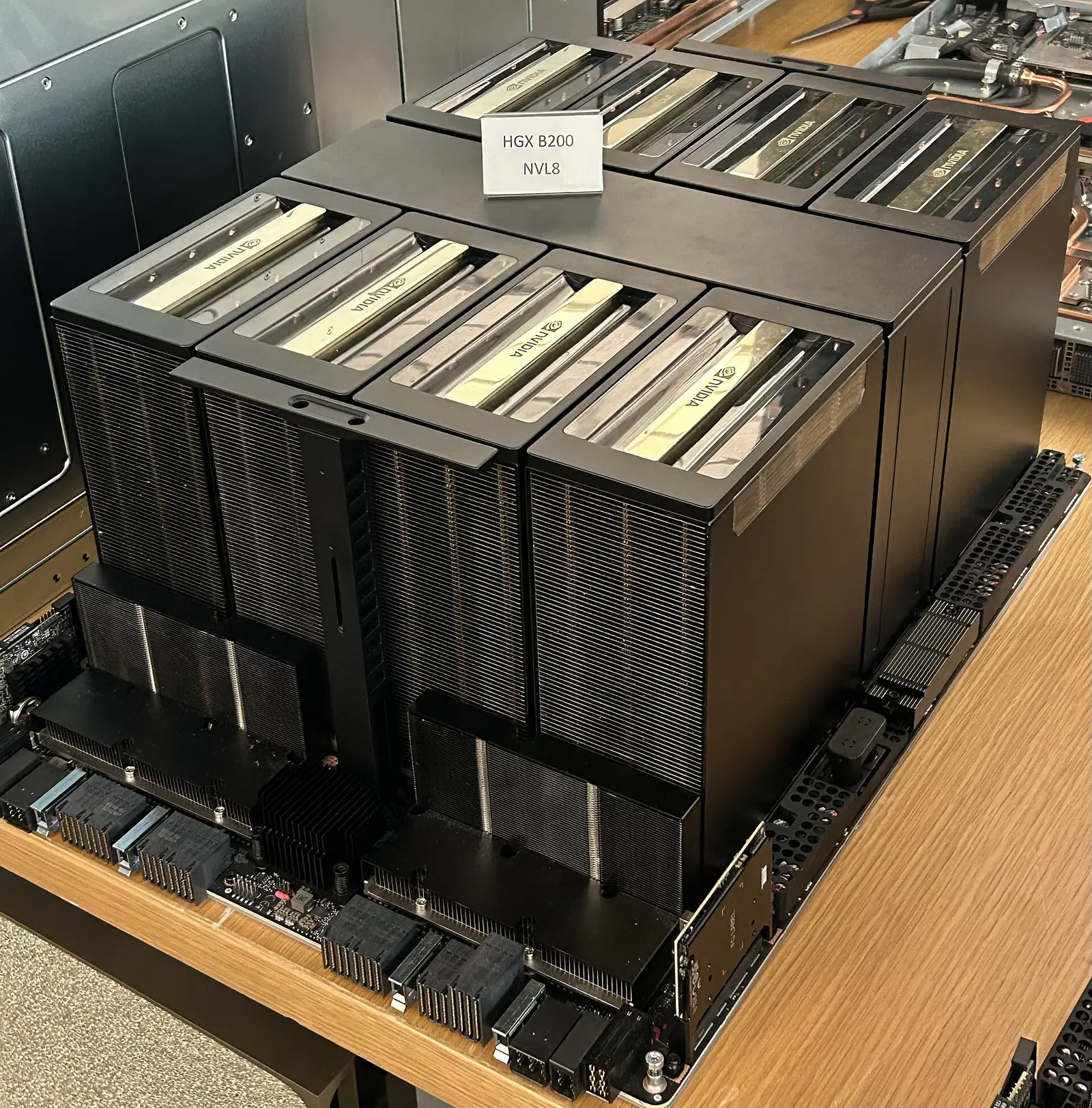
Nvidia has told server partners including Dell Technologies and Super Micro Computer to stop shipping AI servers to customers in Malaysia, Singapore, Thailand and Indonesia, the Wall Street Journal and the Financial Times reported on November 26. The hold has no announced end date and follows a US Commerce Department rule, in force since November 19, that requires export licenses for advanced AI chips sent to those four countries and Brazil. Nvidia declined to comment to the FT.
What has been reported
The Journal, as summarized by TechCrunch, says the hold lasts for an unspecified period while Nvidia checks whether regional partners meet US export requirements. The FT, citing people familiar with the matter, reports that Dell and Super Micro, which build Nvidia GPUs into server racks, told buyers that pending orders would not leave the factory. One regional cloud executive told the paper there was “no guidance on execution” of the new rule. Neither Nvidia nor the Commerce Department has made a public statement on the hold.

How it connects to the BIS remote-access rule
The pause is the most visible effect so far of the interim final rule the Bureau of Industry and Security (BIS) released on November 16, covered in our report on the US rule targeting remote access to AI chips. BIS said it aims to stop companies from bypassing chip restrictions through remote computing in third countries.
Two parts matter here. Exporting advanced computing items to Indonesia, Malaysia, Singapore, Thailand or Brazil now needs a license, reviewed case by case, according to the law firm Morgan Lewis; customers headquartered in the United States, or with a US parent, are exempt if the exporter files monthly reports. And data centers that rent large amounts of AI compute to companies headquartered in China need a license, with 90 days from November 19 for those already doing so.
For a server maker, each pending order into the region must now be matched to an end user that is US-owned or licensed; until then, holding the shipment is the cautious choice. The same logic slowed the supply chain upstream, where TSMC reportedly paused some orders, as we reported in our story on TSMC’s shipment holds.
Who is affected in Southeast Asia
The four countries became major data center hubs partly by offering Chinese AI developers a legal way to rent Nvidia hardware they cannot import. TechCrunch cites an estimate from the Institute for Progress, a think tank, that remote data centers of this kind supply about 24% of China’s AI computing power.
- Regional cloud providers that rent Nvidia servers to Chinese customers face delayed hardware and a license deadline. The FT names Malaysia and Indonesia as most exposed.
- US cloud companies can keep importing under the reporting exemption, an edge over local rivals.
- Lenders are reassessing credit: the FT says banks have held back about $500 million from Aolani, a Singapore cloud firm that leased capacity to ByteDance.
- Nvidia itself: its Singapore subsidiary booked $104 billion in 2025 revenue, Semafor and the FT report, though that reflects billing location, not chips delivered to Singapore.
Why the timing matters for Nvidia
The hold comes days after Nvidia’s board reinstated Jensen Huang as chief executive, covered in our report on Huang’s return after 11 days, and extends a tightening that began in July, when the FT reported that Nvidia had cut its list of approved Asian buyers by more than half. Huang is due before the Senate Banking Committee on December 3, so visible compliance in Southeast Asia matters to the company now.
What to watch next
- Whether Nvidia or Commerce confirms the hold and its length.
- The first BIS licenses for data centers in the four countries.
- Responses from the Singapore and Malaysia governments.
- Huang’s December 3 Senate testimony and any questions on regional sales.
Key takeaways
- Nvidia reportedly told Dell and Super Micro to hold AI server shipments to Malaysia, Singapore, Thailand and Indonesia.
- The hold follows a BIS rule, effective November 19, requiring licenses for advanced chips sent there and to Brazil.
- US-headquartered buyers are exempt if exporters file monthly reports.
- Regional data centers renting compute to Chinese firms face the most disruption.
- Nvidia declined to comment; no end date has been reported.
Frequently asked questions
Why did Nvidia stop shipping AI servers to Southeast Asia?
According to the Wall Street Journal and Financial Times, Nvidia is checking whether buyers comply with a new US rule requiring licenses for advanced AI chips sent to the four countries.
Which countries are affected by the Nvidia shipment pause?
The reported hold covers Malaysia, Singapore, Thailand and Indonesia. The US rule also adds a license requirement for Brazil, but reports have not mentioned a pause there.
Can US cloud companies still get Nvidia chips in Southeast Asia?
Under the BIS rule, exports to US-headquartered customers do not need a license if the exporter files monthly reports. Whether those orders are moving during Nvidia’s review has not been reported.