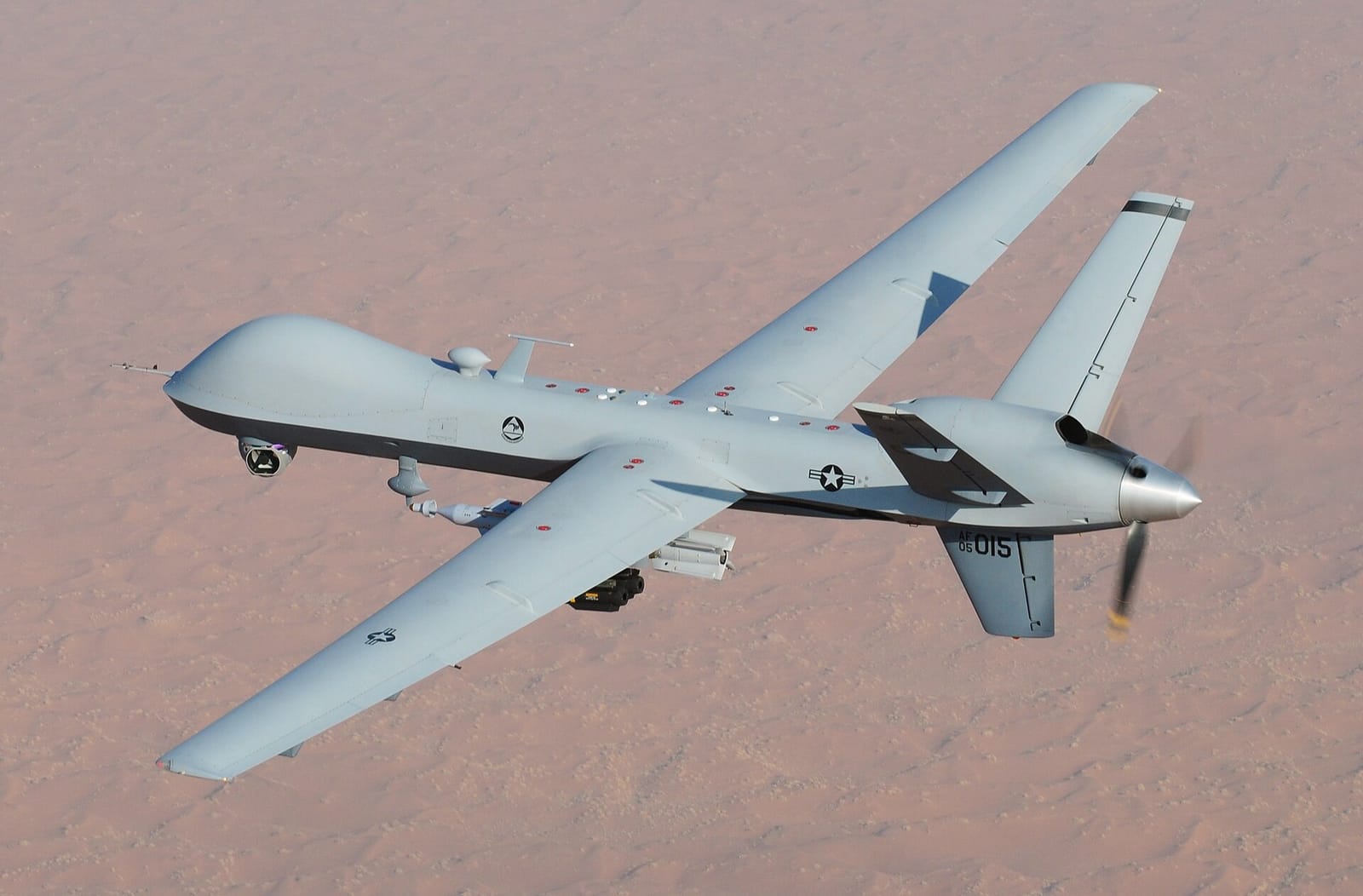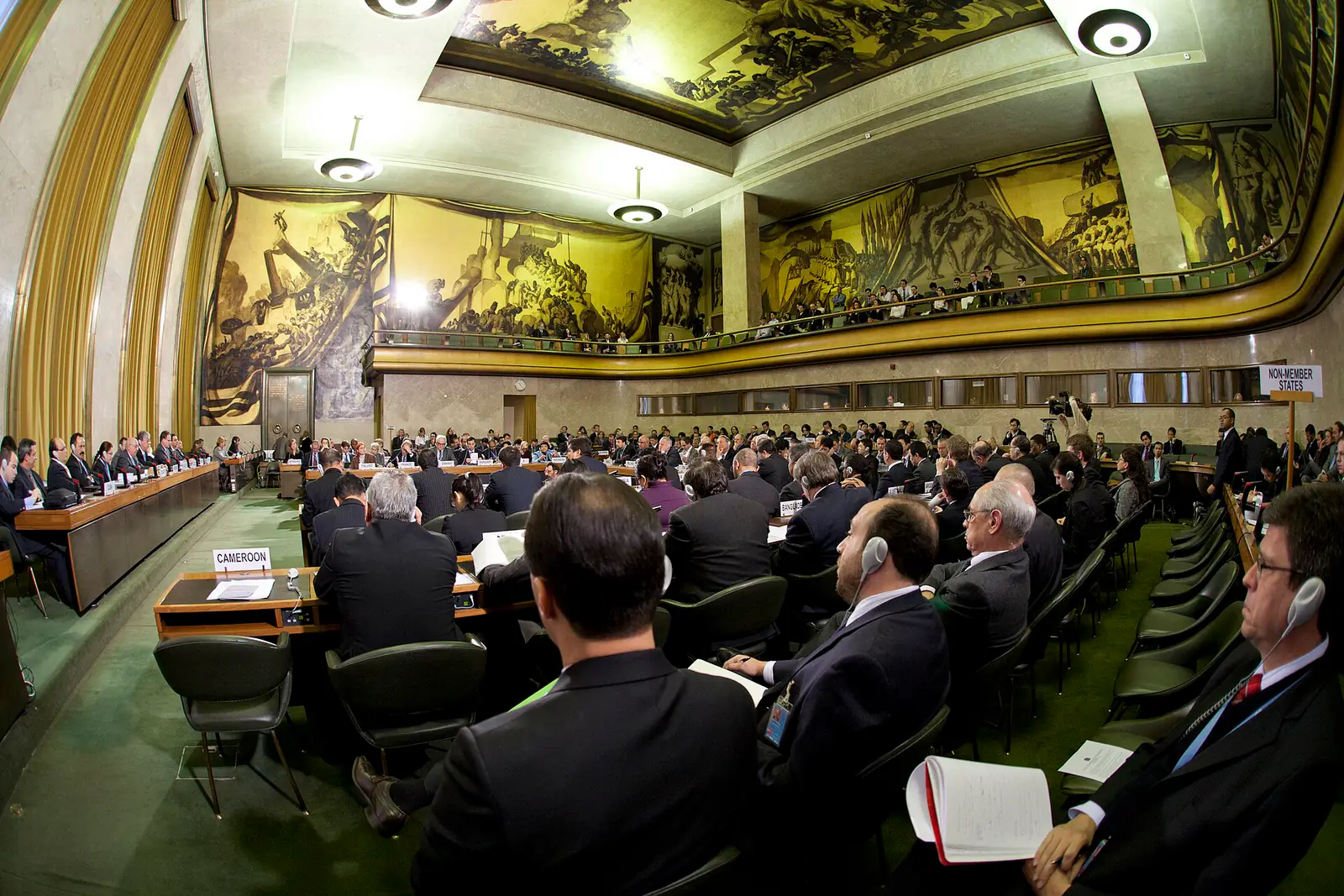
Countries meeting in Geneva for the Seventh Review Conference of the UN Convention on Certain Conventional Weapons (CCW) ended the week of November 16–20 without agreeing to negotiate a legally binding treaty on lethal autonomous weapons, the AI-enabled systems campaigners call “killer robots.” According to NPR, as reported by The Verge, delegates agreed only to “start discussing options,” with two years to propose rules, some of which could remain optional. The outcome matters because the CCW meets at this level only once every five years, and the Red Cross, the UN Secretary-General and Pope Leo had all called for binding rules within about a year.
What was agreed and who blocked more
The CCW works by consensus, so a single state can stop a decision. NPR reported before the conference that the United States, Russia and Israel had signaled opposition to legally binding rules, and that Washington had proposed a five-year window to draft non-binding guidelines instead. According to NPR’s account of the week, cited by The Verge, Russia delayed proceedings on the first day by objecting to the agenda, and the US pressed its proposal for a five-year process.
The compromise that emerged gives states two years to propose regulations and leaves room for some of them to be optional. Negotiations over which rules to adopt, and how to enforce them, are likely to run well beyond that, The Verge noted. At least 50 countries, including Ireland, Italy, Brazil, Mexico, France and Germany, had pushed for a strict timetable toward binding rules, according to NPR, and Human Rights Watch counted 76 states supporting a move to negotiations after the expert talks ended in September.
How we got here
The conference was meant to act on three years of work by the CCW’s Group of Governmental Experts, which wrapped up in early September. Human Rights Watch said the experts’ final report affirmed that human control and judgment are needed to comply with international law and included limits on systems that cannot comply. It also said the text had been narrowed under pressure from states including Russia and the US, dropping references to design and development and to ethical considerations.
Ahead of the Review Conference, the International Committee of the Red Cross said that work gave a “strong and sufficient basis” for negotiating a new protocol and called a one-year negotiating mandate the most significant outcome the conference could deliver. Human Rights Watch and the Stop Killer Robots coalition asked for the same thing. Neither got it. Our explainer on AI in defense and autonomous weapons covers the technology and the legal debate in more depth.
Reaction
The Future of Life Institute, which campaigns against autonomous weapons, called the result “an empty agreement.” In a statement on November 21, its chair Max Tegmark said states had agreed “it is sufficient to just talk about the issue, for the 14th year,” and urged countries frustrated with the process to “take the issue elsewhere,” to a forum where majority votes can carry.
What it means: the landmines precedent
The call to leave the CCW has a precedent. NPR recalled that in the 1990s, countries frustrated with consensus talks on anti-personnel landmines negotiated outside the UN process and created the Ottawa Convention, which the US never ratified but which still changed military practice. The CCW’s own record is mixed: its 1995 ban on blinding laser weapons was agreed before those weapons were deployed, but the ICRC noted that the convention’s last new weapon prohibitions date back about 30 years.
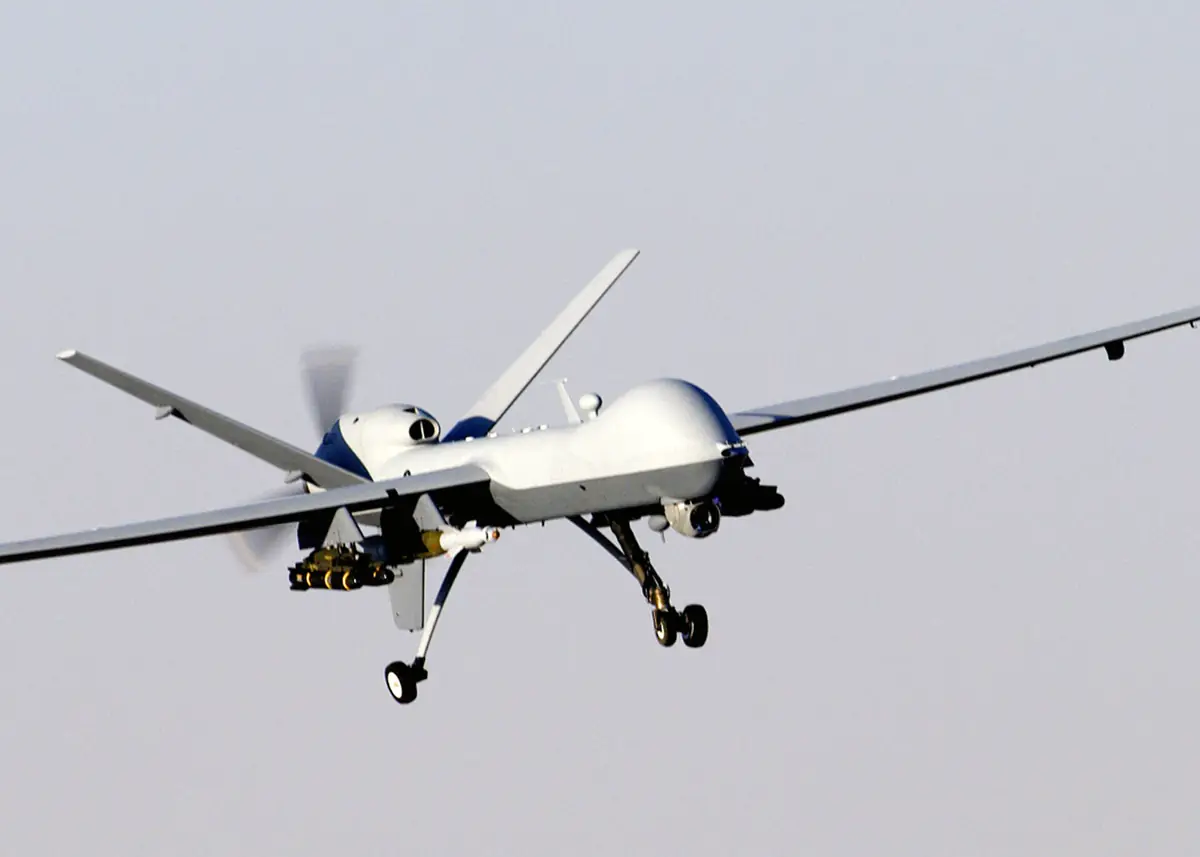
For the AI industry, the absence of a treaty leaves national rules in charge. The US is building up autonomous capabilities, as our report on the Pentagon’s autonomous warfare command describes. Companies that sell models or drones to militaries will keep facing a patchwork of national export rules and their own usage policies rather than one international standard. NPR noted that AI-assisted drones have already been used in Ukraine and Gaza, though they are still remotely controlled by humans.
What to watch next
- Whether a group of states launches negotiations outside the CCW, for example through the UN General Assembly.
- The first CCW meetings under the new two-year process, and whether any proposals are framed as binding.
- National military AI policies in the US, China and Europe, which now carry more weight.
- Statements from AI developers whose models or hardware are used in defense systems.
Key takeaways
- The CCW Seventh Review Conference (November 16–20, 2026) did not adopt a mandate to negotiate a binding treaty on autonomous weapons.
- States agreed to keep discussing options, with two years to propose rules that may be partly optional.
- The US, Russia and Israel opposed binding rules; the US proposed five years of talks on non-binding guidelines.
- Campaigners such as the Future of Life Institute now urge states to negotiate outside the CCW, as happened with landmines.
Frequently asked questions
What are lethal autonomous weapons?
They are weapon systems that can select and attack targets without a human making each decision. Campaigners call them “killer robots”; most current AI-assisted weapons still have a human operator in control.
Why did the UN fail to agree on killer robot rules?
The CCW decides by consensus, so any single state can block a decision. The US, Russia and Israel opposed legally binding rules, so states settled for continued discussions instead of a negotiating mandate.
Is there any international law on autonomous weapons?
There is no treaty specific to autonomous weapons. They are covered by general international humanitarian law, such as the Geneva Conventions, which require attacks to distinguish between soldiers and civilians.